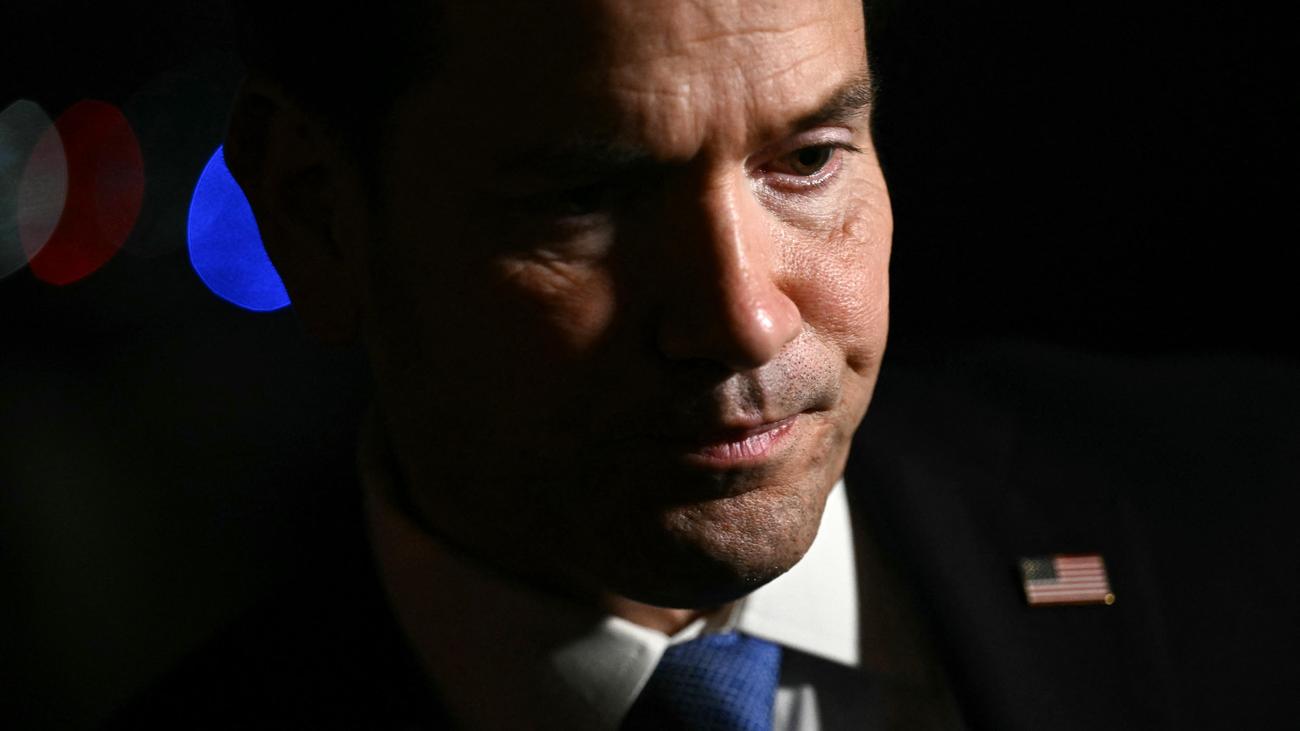
United States Secretary of State Marco Rubio has signaled a confrontational approach toward the International Criminal Court (ICC) in The Hague, intensifying a long-standing geopolitical friction between Washington and the international judicial body. Rubio, a long-term critic of the court’s jurisdiction over non-member states, has advocated for a robust stance against the tribunal’s mandate, characterizing its actions as an overreach that threatens national sovereignty.
The tension centers on the ICC’s pursuit of investigations involving nationals from countries that have not ratified the Rome Statute, most notably the United States and Israel. According to the International Criminal Court’s official charter, the tribunal is designed to prosecute individuals for the gravest crimes of concern to the international community, including genocide, war crimes, and crimes against humanity. However, the U.S. government has historically maintained that the court lacks jurisdiction over its personnel, a position reinforced by the American Service-Members’ Protection Act of 2002, which restricts U.S. cooperation with the ICC.
The U.S. Stance on Sovereignty and The Hague
Marco Rubio’s rhetoric reflects a bipartisan skepticism within Washington regarding the ICC’s reach. The core of this argument rests on the principle of complementarity, which asserts that the ICC should only intervene when national legal systems are unwilling or unable to genuinely carry out investigations or prosecutions. U.S. officials frequently argue that their domestic military justice system is sufficiently robust to handle allegations of misconduct, rendering the ICC’s involvement unnecessary and politically motivated.

This conflict gained renewed attention following the ICC Prosecutor’s request for arrest warrants related to the ongoing conflict in Gaza. In May 2024, ICC Prosecutor Karim Khan announced applications for warrants against leaders of both Hamas and Israel, citing allegations of war crimes and crimes against humanity, as reported by the Reuters news agency. The move drew immediate condemnation from U.S. lawmakers, including Rubio, who argued that such actions equate democratic nations with terrorist organizations, undermining the moral legitimacy of the court.
European Support and Institutional Dissent
In contrast to the U.S. position, European Union member states have largely maintained a commitment to the ICC as a cornerstone of the international rules-based order. Despite internal criticisms regarding the court’s efficiency or specific prosecutorial strategies, European governments have consistently reaffirmed their support for the tribunal’s independence. This divergence creates a significant diplomatic rift between Washington and its European allies.
According to the European External Action Service, the EU remains a steadfast supporter of the ICC, viewing it as an essential mechanism for ensuring accountability for atrocities. European leaders argue that protecting the court is vital to upholding global human rights standards, even when those investigations target close political partners. This creates a difficult position for European diplomats who must navigate the competing pressures of maintaining the transatlantic alliance with the United States while defending the integrity of international law institutions.
The Broader Implications for International Law
The threat to “tear down” or severely restrict the ICC carries broader implications for how international law is enforced in the 21st century. Critics of a hardline U.S. policy argue that undermining the court could lead to a permanent state of impunity for state actors, while proponents of the U.S. view contend that the ICC has become a political tool used to infringe upon the rights of sovereign nations to defend themselves. The legal debate often hinges on the interpretation of the Rome Statute, which 124 countries have signed, but which the United States has not.

The next major checkpoint in this ongoing dispute will likely occur during upcoming sessions of the Assembly of States Parties to the Rome Statute, where funding and diplomatic support for the court are regularly debated. Furthermore, any specific legislative action in the U.S. Congress to impose sanctions or restrict funding to the ICC would mark a significant escalation in this diplomatic standoff. Observers are monitoring whether the incoming administration’s rhetoric will translate into formal executive or legislative policy changes regarding the court’s operations.
This situation remains fluid, with ongoing diplomatic discussions expected between the U.S. State Department and European counterparts. Readers interested in the progression of this issue can track official statements via the U.S. Department of State press briefings and the ICC official news portal.
We invite readers to share their perspectives on the balance between national sovereignty and international judicial oversight in the comments section below.