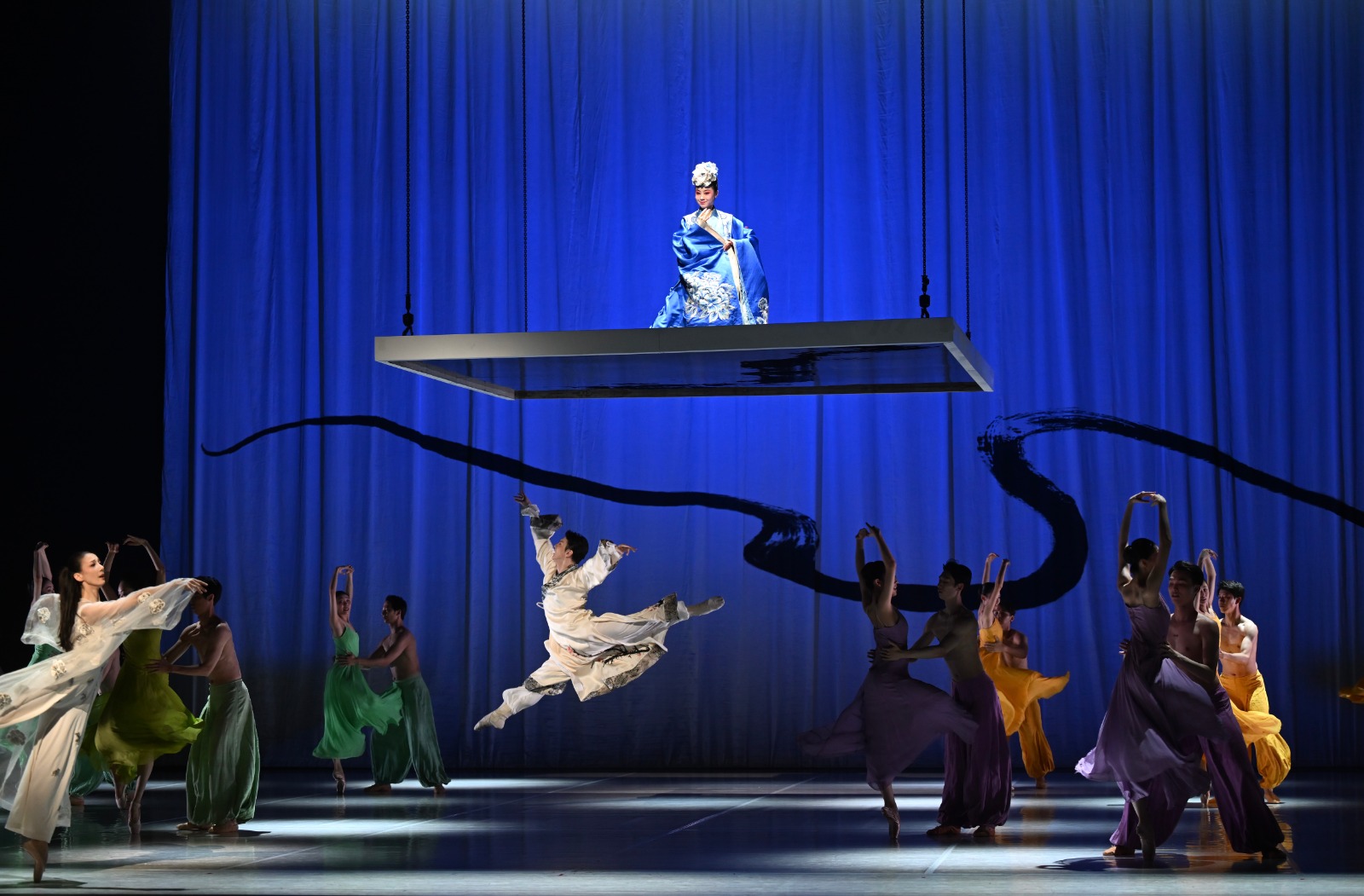
The National Ballet of China has returned to the stage in Beijing with a high-profile production of The Peony Pavilion, a cornerstone of traditional Chinese opera adapted for the contemporary ballet repertoire. As the company finalizes its costume dress rehearsals, the performance underscores a continued institutional effort to bridge classical Kunqu opera aesthetics with Western-style ballet techniques. The production, which has become a hallmark of the troupe’s identity, highlights the technical precision of the company’s dancers while drawing on the narrative depth of Tang Xianzu’s 16th-century masterpiece.
The National Ballet of China, founded in 1959, operates under the direct supervision of the Ministry of Culture and Tourism of the People’s Republic of China, according to the official institutional profile published by the company. The ballet’s adaptation of The Peony Pavilion—originally premiered in 2008—is recognized as a significant effort to modernize classical Chinese literature for international and domestic audiences. The production features a synthesis of orchestral music and traditional Chinese instrumentation, designed to convey the emotional arc of the original play, which centers on the transcendental love story of Du Liniang and Liu Mengmei.
Artistic Evolution in the National Ballet
The staging of The Peony Pavilion serves as a primary example of how the National Ballet of China navigates the intersection of cultural heritage and professional dance standards. By integrating the stylistic movements of Kunqu opera—characterized by intricate hand gestures and stylized gait—with the rigid discipline of classical ballet, the company aims to create a distinct aesthetic identity. This approach has been a strategic focus for the troupe as it seeks to maintain relevance in a competitive global performing arts market.
For the dancers, the production requires a dual proficiency in both balletic virtuosity and the subtle, nuanced acting required by traditional Chinese theater. According to performance records maintained by the National Centre for the Performing Arts (NCPA) in Beijing, where the company frequently presents its major works, these adaptations often undergo rigorous technical refinement during the transition from studio rehearsals to the main stage. The current rehearsals allow the artistic staff to calibrate the elaborate costume designs, which are central to the visual storytelling of the piece, ensuring that the heavy headpieces and intricate silk garments do not impede the dancers’ physical range of motion.
Cultural Significance and Legacy
The Peony Pavilion remains one of the most frequently performed works in the history of Chinese classical drama. By bringing this narrative into the ballet format, the National Ballet of China has effectively utilized state-supported resources to preserve and disseminate traditional narratives. This practice aligns with broader national cultural policies aimed at the “creative transformation” of traditional arts, a mandate overseen by the State Council of the People’s Republic of China to ensure the longevity of intangible cultural heritage.
-N952CA.JPG)
The production also serves as an educational tool for younger audiences, providing a gateway into the complex world of Ming Dynasty literature. As the company prepares for its upcoming season, the emphasis remains on maintaining the high technical standards expected of a state-level troupe. The National Ballet of China continues to tour extensively, with its repertoire serving as a key element of China’s cultural diplomacy efforts, as noted in various reports on the company’s international exchange programs.
Upcoming Performances and Access
Audiences interested in the current production schedule can access verified information through the official website of the National Centre for the Performing Arts. The NCPA serves as the primary venue for the company’s major premieres in Beijing. Ticket availability and performance times are updated regularly via the center’s digital booking platform, which provides the only official channel for securing seats to these high-demand events.
The company has not yet announced the full tour schedule for the remainder of the 2024–2025 season. Interested patrons are encouraged to monitor the Ministry of Culture and Tourism’s official announcements for further updates on residency dates and potential international tour legs. Continued updates regarding the company’s performance calendar will be made available as the troupe transitions from its current rehearsal phase to the public performance cycle.
Worth a look