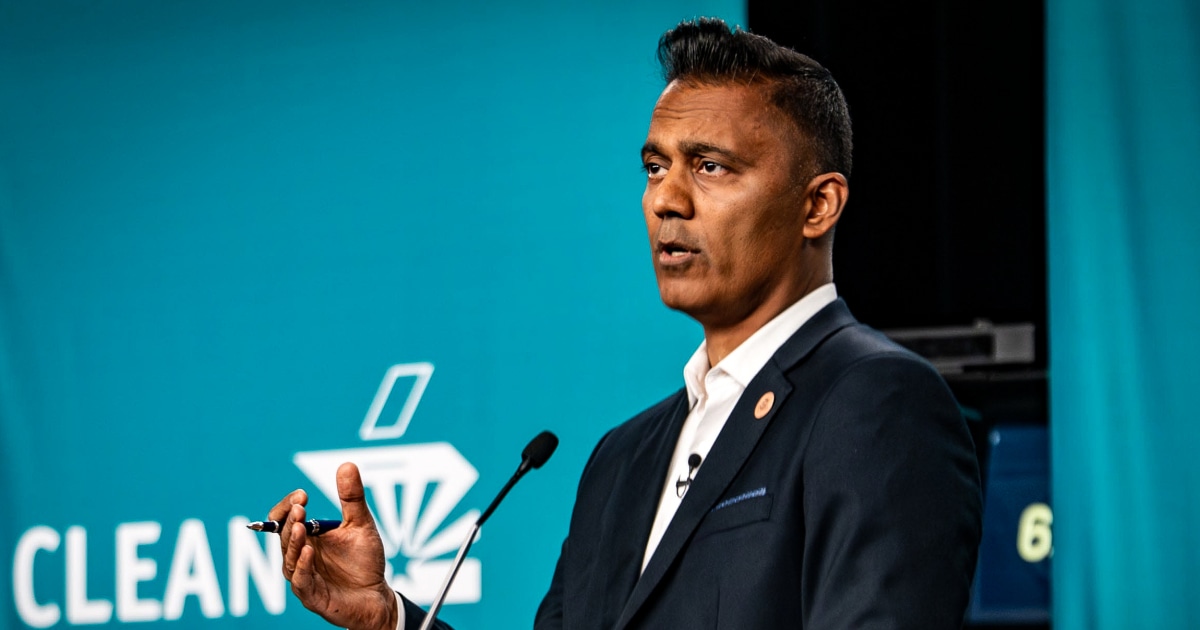
Dr. Amish Shah, a physician and former member of the Arizona House of Representatives, has established a lead in the Democratic primary for Arizona’s 1st Congressional District, according to recent polling and campaign finance filings. The contest for this battleground seat, currently held by Republican David Schweikert, remains a focal point for national party strategists as they look to flip the district in the November general election.
The primary race has drawn attention due to a split between grassroots support and institutional backing. While party leadership has signaled preference for other candidates in the field, Dr. Shah’s campaign has gained traction among voters in the district, which encompasses parts of Scottsdale, Cave Creek, and northeast Phoenix. Official reports from the Federal Election Commission confirm that the primary remains competitive, with multiple candidates vying for the nomination to challenge the incumbent in a district that was decided by fewer than 3,200 votes in the 2022 midterm elections, as documented by the Arizona Secretary of State’s office.
The Landscape of the Primary Contest
Dr. Shah, who served in the Arizona legislature from 2019 to 2024, has centered his platform on healthcare access and affordability, leveraging his professional background as an emergency room doctor. His ability to secure early momentum comes despite the involvement of national committees and political action groups that have historically played a decisive role in shaping Democratic primaries in swing states. According to the Federal Election Commission, campaign fundraising totals remain a critical metric for candidates as they move toward the late-summer primary date.
The district itself is considered one of the most competitive in the United States. Following the 2020 redistricting cycle, the 1st District saw its partisan lean shift, making it a primary target for both national parties. The Cook Political Report currently classifies the district as a toss-up, underscoring why the outcome of the Democratic primary is viewed as a significant indicator of the party’s broader strategy in the Southwest.
Party Dynamics and Voter Sentiment
The tension between established party preferences and candidate performance is not unique to Arizona, but it has become a defining narrative in this specific primary. Analysts suggest that the influence of party endorsements can sometimes be offset by a candidate’s ability to build a direct, localized base of support. Dr. Shah’s legislative record provides a clear, verifiable policy history for voters to review, which differs from challengers who may lack experience in elected office.
Voters in the 1st District are currently weighing the importance of legislative experience against other factors, such as alignment with national party agendas. The Arizona Secretary of State provides official records of candidate filings and previous election results, which offer context on how the district has trended in recent years. For residents and interested observers, the upcoming primary represents a choice not just of candidate, but of strategy for the general election campaign against the Republican incumbent.
The Path to the Primary
As the primary date approaches, candidates are focused on increasing voter turnout and securing endorsements from local community leaders. The next major checkpoint for voters and stakeholders will be the official primary election, which is scheduled for July 30, 2024, in accordance with the state’s established election calendar. Following the primary, the party nominee will immediately transition into a general election campaign, where they will face the winner of the Republican primary.
Updates regarding campaign finance disclosures and any shifts in polling data will be available through the Federal Election Commission and the Arizona Secretary of State’s office. As this race continues to develop, observers are monitoring whether the current lead held by Dr. Shah will persist through election day or if the influence of party-aligned spending will alter the final outcome. We welcome your thoughts on the shifting dynamics of this race in the comments below.