The administration of U.S. President-elect Donald Trump has reportedly been petitioned to grant judicial immunity to Delcy Rodríguez, the executive vice president of Venezuela, as part of broader diplomatic efforts to stabilize bilateral relations. The request centers on Rodríguez’s status as a high-ranking government official, aiming to clear legal hurdles that have complicated engagement between Washington and Caracas under the current sanctions regime.
Rodríguez, who has served as the executive vice president of Venezuela since 2018, remains under significant U.S. sanctions. According to the U.S. Department of the Treasury’s Office of Foreign Assets Control (OFAC), she was designated as a Specially Designated National (SDN) in September 2018 for her role in the administration of President Nicolás Maduro, citing concerns over democratic backsliding and corruption. The push for immunity seeks to provide a legal framework for direct diplomatic dialogue, which Venezuelan authorities have increasingly positioned as the cornerstone of their current governance strategy.
Diplomatic Strategy and the Sanctions Framework
The Venezuelan government has consistently called for the lifting of economic sanctions, which they characterize as a “blockade” that hinders national development. In recent public statements, Rodríguez has emphasized that diplomacy must serve as the primary mechanism for resolving the ongoing political and economic impasse between the two nations. This shift toward a diplomatic-first approach follows years of fractured relations that saw the closure of embassies and the withdrawal of diplomatic staff in early 2019, as reported by the U.S. Department of State.
The legal complexity of this request is rooted in the interplay between U.S. domestic law and international norms regarding diplomatic immunity. While heads of state and certain high-ranking foreign officials typically enjoy sovereign immunity, the specific status of Venezuelan officials under U.S. sanctions presents a unique challenge for the incoming administration. Legal analysts note that any move to grant immunity would require navigating the existing executive orders that underpin the U.S. sanctions program against Venezuela. As of early 2024, the U.S. government maintains that its policy remains focused on supporting the restoration of democratic processes in Venezuela, while acknowledging the necessity of communication channels to address humanitarian and migration concerns.
Impact on Bilateral Relations
The request for immunity is viewed by regional observers as a test of the incoming administration’s foreign policy priorities regarding Latin America. For the Venezuelan government, securing legal protections for its top officials is seen as a prerequisite for more substantive negotiations on energy cooperation and the easing of financial restrictions. Conversely, the move faces scrutiny from domestic stakeholders in the U.S. who argue that any relief should be strictly conditional on verifiable democratic reforms, such as the release of political prisoners and the establishment of a transparent electoral roadmap.

The economic stakes remain high, as Venezuela holds the world’s largest proven oil reserves. Energy markets have closely watched the relationship between Washington and Caracas, particularly since the U.S. issued limited licenses to companies like Chevron to resume operations in the country. Any change in the legal status of key figures like Rodríguez could signal a broader recalibration of U.S. energy and security policy in the Western Hemisphere. The U.S. Department of State continues to publish updates regarding its Venezuela policy and travel advisories through its official portal, which serves as the primary source for current restrictions on official interactions.
Next Steps in the Legal and Diplomatic Process
There is no established timeline for a formal decision on the immunity petition. The matter is expected to be reviewed by the incoming U.S. administration’s Department of Justice and the National Security Council once the transition of power is complete in January 2025. Observers expect that any progress will likely be incremental, involving back-channel discussions before any formal legal declarations are issued by the executive branch. The next official checkpoint will occur during the confirmation hearings for senior foreign policy officials, where the administration’s approach to Venezuela will likely be subject to congressional oversight and public questioning.
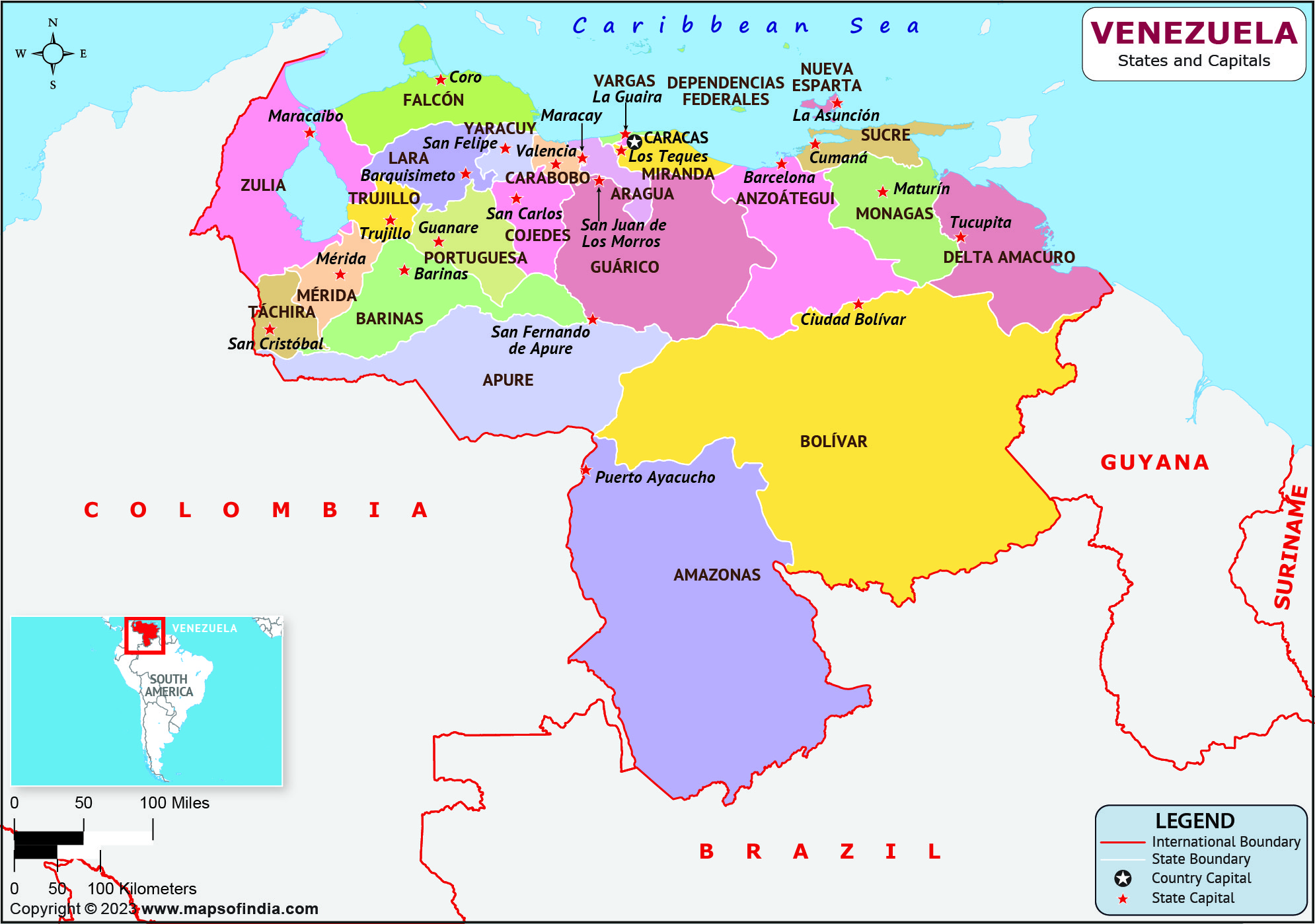
For ongoing updates regarding U.S. sanctions policy and diplomatic status, stakeholders are advised to monitor the official briefings provided by the U.S. Department of State and the Department of the Treasury. As this situation develops, further developments regarding the legal standing of Venezuelan officials will remain a focal point for international monitors and regional trade partners.
Keep reading