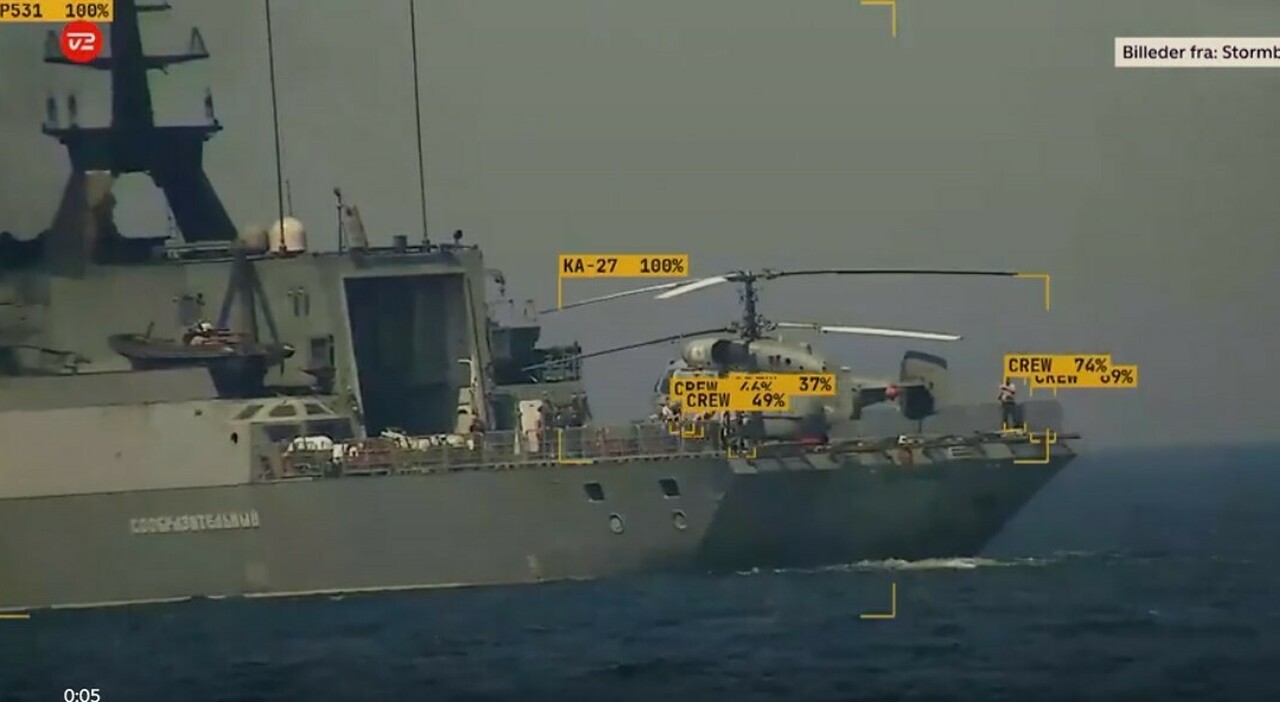
A recent encounter in the Baltic Sea involving a Danish underwater drone and a Russian warship has highlighted the intensifying security environment in one of Europe’s most critical maritime corridors. The incident, characterized by reports of a vessel appearing with little warning, underscores the persistent tension between NATO member states and Russian naval forces in the region, according to regional security assessments.
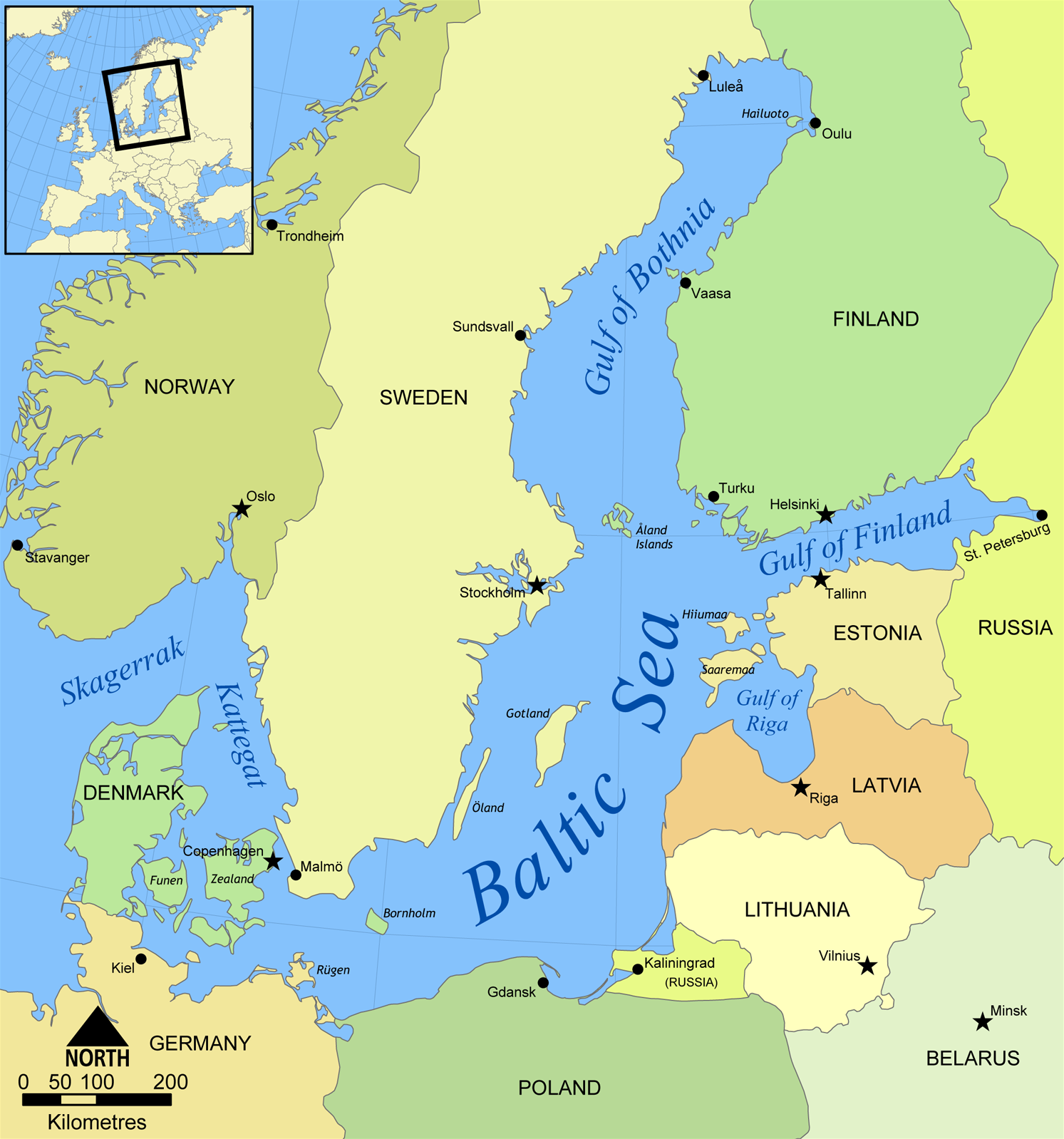
The Baltic Sea has become a theater of heightened military activity since the escalation of the conflict in Ukraine in 2022. As noted by the North Atlantic Treaty Organization (NATO), the alliance has significantly increased its presence in the Baltics to deter potential aggression and monitor maritime traffic. Incidents involving drones, surveillance assets, and manned warships have become a regular, albeit precarious, feature of this geopolitical landscape.
Maritime Security and Tactical Proximity
The interaction between the Danish-operated underwater drone and the Russian naval unit serves as a case study in the risks of modern naval operations. Unmanned underwater vehicles (UUVs) are frequently deployed for intelligence, surveillance, and reconnaissance (ISR) missions, providing navies with the ability to monitor underwater infrastructure—such as cables and pipelines—without risking crewed vessels. When these assets operate in close proximity to foreign warships, the risk of miscalculation increases.
According to maritime security reports, the Baltic Sea is densely populated with both commercial shipping and military assets. The BALTOPS exercises, which occur annually, illustrate the scale of NATO’s commitment to maintaining freedom of navigation in these waters. However, the presence of Russian warships, often operating from the Kaliningrad exclave, creates a persistent “face-to-face” scenario that requires precise communication and adherence to international maritime law to prevent accidental escalation.
The Strategic Importance of the Baltic Sea
The Baltic Sea functions as a vital artery for trade and energy security. The security of this region is governed by the United Nations Convention on the Law of the Sea (UNCLOS), which dictates the rights and responsibilities of states in international waters. Despite these regulations, the “grey zone” tactics—actions that fall just below the threshold of open warfare—continue to challenge regional stability.
Analysts point out that the integration of Finland and Sweden into NATO has fundamentally altered the strategic map of the Baltic. With nearly all coastal states now part of the alliance, Russia’s naval movements are under constant, heightened surveillance. This shift has led to an increased frequency of intercept operations, where aircraft or ships from both sides approach one another to assert presence or gather intelligence.
Risk Mitigation and Future Outlook
To mitigate the risk of a broader conflict, NATO and Russian military leaders have historically maintained de-confliction channels. However, the efficacy of these channels depends on the willingness of both parties to maintain transparency during tactical encounters. The recent drone incident serves as a reminder of the fragility of these maritime boundaries.
Moving forward, the focus for regional authorities remains on the protection of critical subsea infrastructure. Following the damage to the Nord Stream pipelines in September 2022, as reported by the Reuters investigative summary, nations bordering the Baltic have intensified their underwater monitoring capabilities. This increased surveillance density makes encounters between unmanned assets and warships more likely, necessitating updated protocols for interaction at sea.
As the situation develops, official statements from the Danish Ministry of Defence or relevant NATO commands regarding specific tactical incidents are typically published through their official press portals. Readers interested in the ongoing security dynamics of the region should monitor these official channels for verified updates on maritime safety and regional defense posture.
The persistence of these encounters underscores the necessity for vigilance in the Baltic. While no formal escalation resulted from this specific interaction, the frequency of such events remains a primary concern for regional diplomats and military planners alike. We invite our readers to share their perspectives on the evolution of Baltic security in the comments section below.