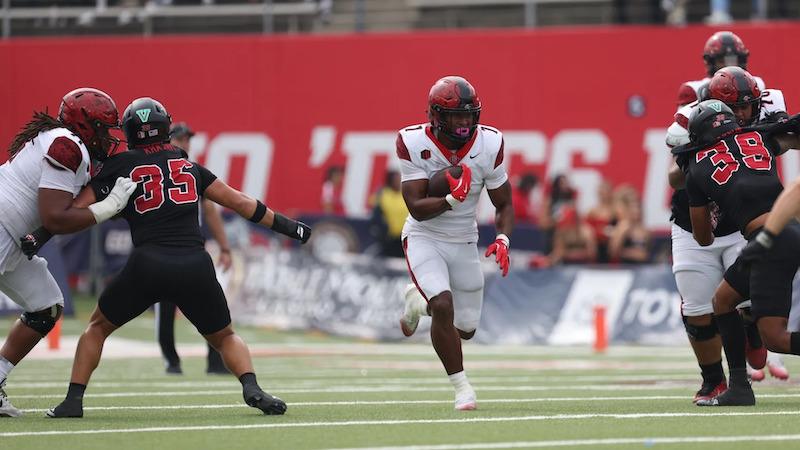
San Diego State University football has historically maintained a competitive presence within the Western United States, navigating shifting conference landscapes while testing its program against regional powerhouses. Over the past several decades, the Aztecs have frequently scheduled high-profile matchups against programs from the Pac-12 and its successor conferences, creating a record defined by both milestone upsets and challenging losses against established national brands.
As the college football landscape enters a new era of realignment, San Diego State’s historical performance against Western programs provides a baseline for evaluating its standing. According to official athletic department records, the program has balanced a strategy of regional scheduling with the pursuit of conference titles in the Mountain West. Analyzing these matchups requires looking at the program’s winning percentage, historical head-to-head data, and the evolution of its non-conference scheduling strategy.
Historical Context of Regional Matchups
San Diego State’s history against regional foes like USC, UCLA, Stanford, and Arizona is marked by sporadic encounters that often draw significant local interest. The Aztecs have traditionally sought these games to bolster their strength of schedule and increase national visibility. According to data maintained by SDSU Athletics, the program’s ability to secure home-and-home series has been a cornerstone of its athletic department’s strategy to maintain a competitive profile among Group of Five institutions.
The winning percentage against these high-profile regional programs historically sits below the .500 mark, reflecting the disparity in resources and recruiting reach between the Aztecs and their Power Four counterparts. However, the program has secured notable victories, including recent efforts to modernize their facilities at Snapdragon Stadium, which officials argue creates a more attractive venue for major regional opponents. Information regarding the stadium’s development and its impact on scheduling can be found through the official Snapdragon Stadium portal.
Performance Metrics Against the Pac-12 Legacy
When measuring success against programs formerly associated with the Pac-12, San Diego State often faces a steep challenge in depth and roster turnover. Analytics provided by Sports-Reference College Football indicate that while the Aztecs have maintained consistent bowl eligibility, their performance against top-tier Western programs is often dictated by defensive efficiency and turnover margins in non-conference play.
The program’s record is frequently compared to other Mountain West leaders, such as Boise State or Fresno State, when evaluating regional dominance. Unlike programs that benefit from consistent annual rivalries, San Diego State’s regional record is fragmented by the transient nature of non-conference scheduling. Since 2020, the athletic department has emphasized long-term agreements with regional partners to provide stability, as noted in updates from the Mountain West Conference official site.
Factors Influencing Future Scheduling
The future of San Diego State’s regional record will likely be impacted by the ongoing consolidation of major college football conferences. As programs move toward larger, national-based conferences, the traditional “Western” identity of the schedule faces pressure. Athletic directors across the region are currently navigating new requirements for broadcast media rights and travel logistics, which influence the viability of regional non-conference series.
For fans and analysts, the primary metric for success remains the ability to secure postseason berths, which often requires a strong performance against regional peers. The university continues to monitor conference realignment developments, with the next major update for stakeholders expected during the annual Mountain West media summit. Readers interested in the latest schedule adjustments or official announcements regarding future opponents can monitor the SDSU Aztecs official news feed for verified scheduling releases.
The program’s commitment to maintaining a competitive, regionally-focused schedule remains a central pillar of its identity. As the team prepares for its upcoming season, the focus remains on leveraging its recent facility investments to ensure that top-tier regional programs continue to view San Diego as a viable destination for high-stakes non-conference play. Please share your thoughts on the program’s trajectory and join the discussion in the comments section below.
Keep reading