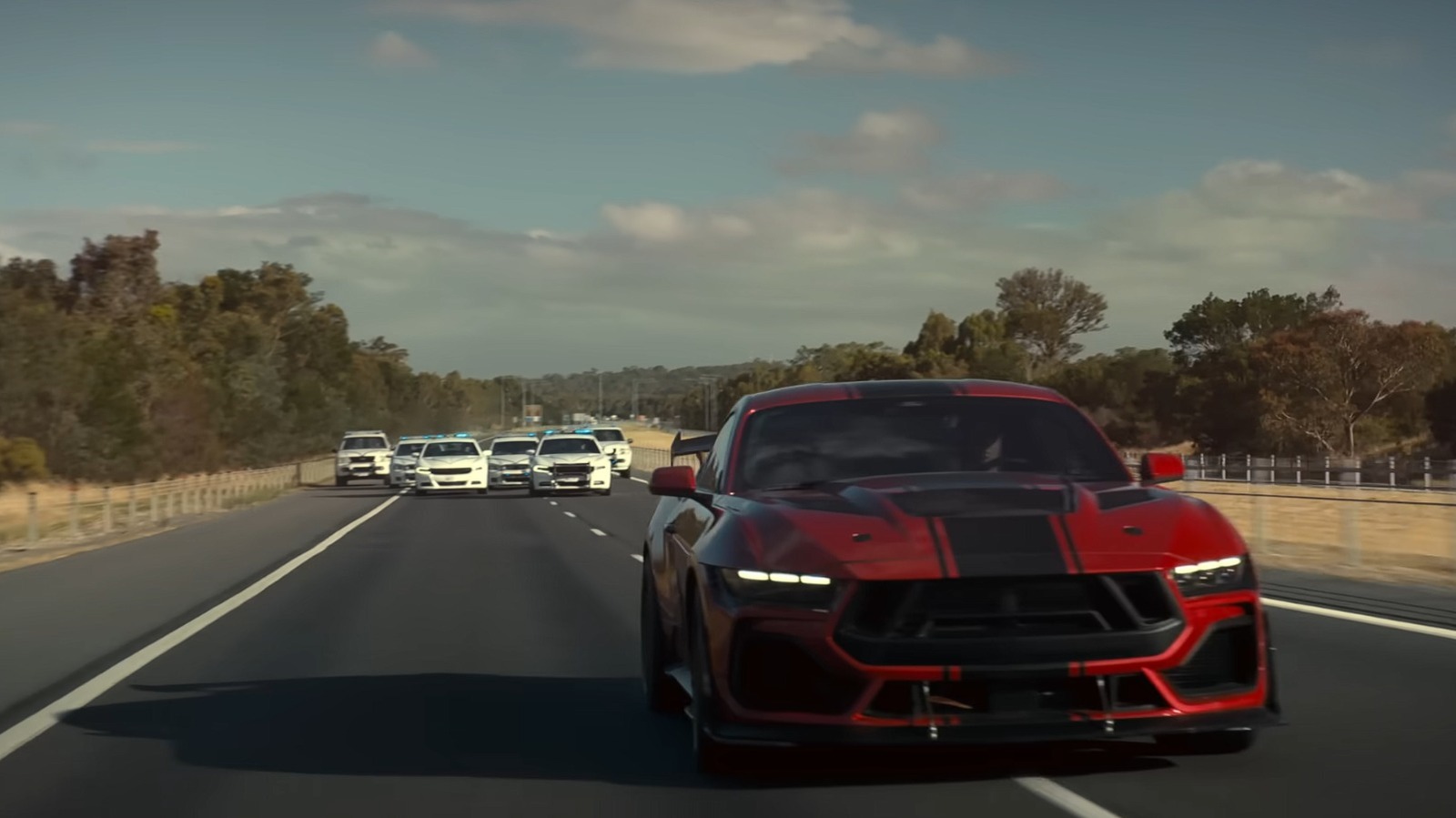
In the upcoming production The Mongoose, actor Liam Neeson is featured operating a high-performance red-and-black muscle car that has captured significant viewer interest. While cinematic vehicles are often heavily modified for the screen, the car featured in the film is a 1969 Ford Mustang, specifically customized to fit the aesthetic requirements of the production. The vehicle serves as a central element of the film’s visual identity, reflecting a trend of using iconic American muscle cars to underscore the gritty, high-stakes atmosphere typical of Neeson’s action-oriented filmography.
The 1969 Ford Mustang remains a staple of automotive history, celebrated for its aggressive body styling and powerful engine configurations. According to historical records maintained by the Ford Motor Company, the 1969 model year introduced a longer, wider body compared to its predecessors, providing a more imposing stance on the road. This specific model year offered a variety of powertrain options, ranging from the base inline-six to the high-output 428 Cobra Jet V8, which remains a favorite among collectors and enthusiasts for its performance capabilities.
In the context of film production, vehicles like the one driven by Neeson are rarely stock examples. Stunt departments frequently modify these cars to ensure reliability and safety during high-speed sequences. Common modifications for such vehicles include the installation of reinforced roll cages, upgraded braking systems, and specialized camera mounts. These adjustments are necessary to withstand the physical demands of filming while maintaining the visual integrity of the classic design. Production teams typically source multiple identical vehicles for a single project to accommodate both close-up interior shots and potentially destructive stunt work.
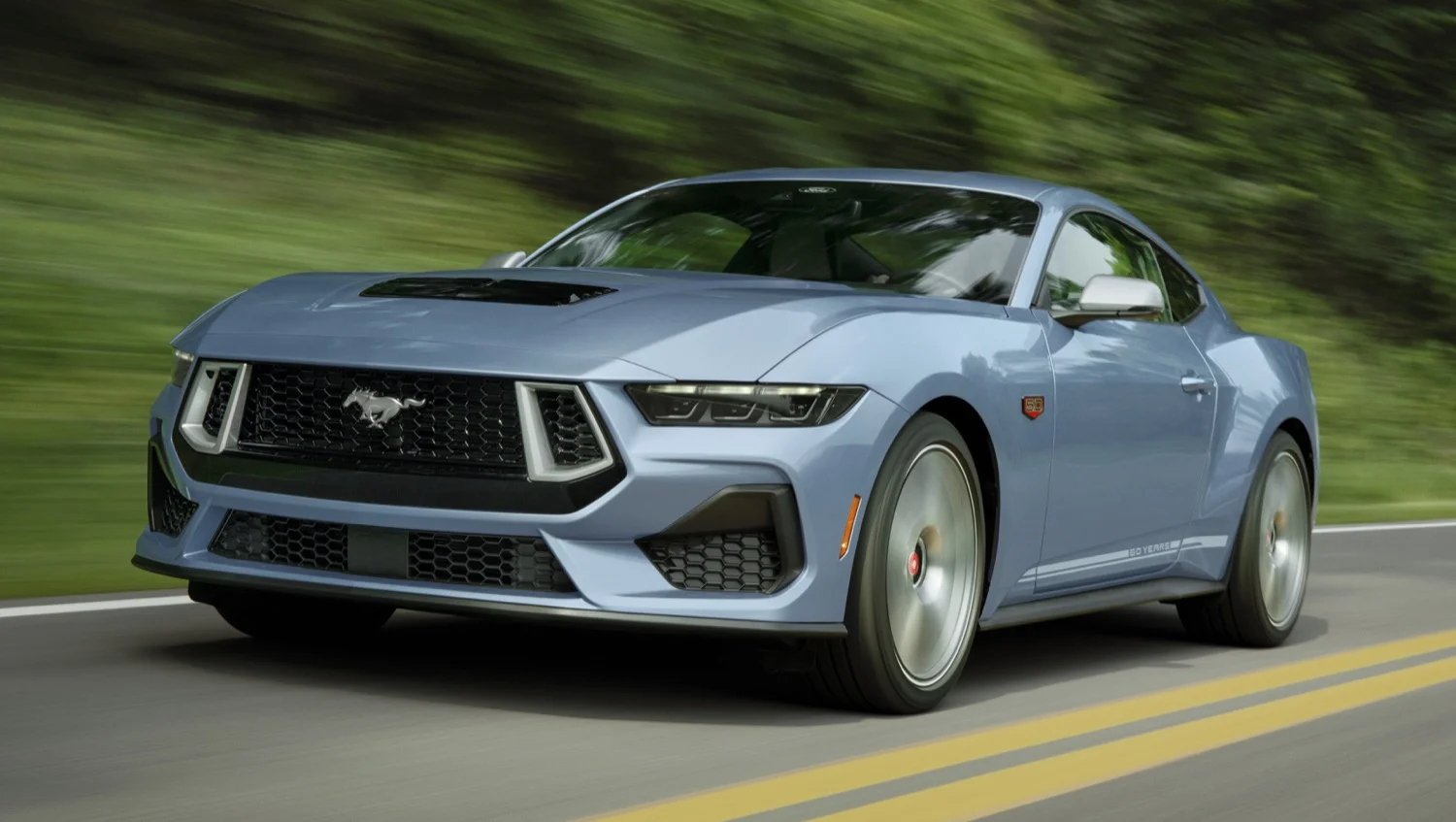
The choice of a classic muscle car like the 1969 Mustang in a contemporary film highlights the enduring cultural significance of late-1960s automotive design. Unlike modern vehicles, which often prioritize aerodynamic efficiency and electronic integration, the 1969 Mustang is characterized by its mechanical simplicity and raw aesthetic. For audiences, the sight of a vintage muscle car in a modern thriller provides a tactile, nostalgic connection that contrasts with the digital effects frequently used in contemporary action cinema.
For fans and automotive enthusiasts interested in the technical specifications of vehicles from this era, the Mustang Club of America provides extensive documentation regarding original factory equipment and restoration standards. While the specific modifications made to the vehicle in The Mongoose are proprietary to the film’s production team, the base model’s legacy is well-documented through official industry archives. Collectors looking to learn more about the 1969 Mustang’s development can consult the Ford Heritage Vault, which houses digitized historical documents, brochures, and technical specifications for the company’s vehicle lineup.

As the release of The Mongoose approaches, further details regarding the production’s use of practical effects and vehicle stunts may be released through official press kits or behind-the-scenes features. Viewers are encouraged to monitor updates from the film’s distribution studio for information on promotional events or public displays of the production vehicles. Readers interested in the intersection of automotive history and cinema are invited to share their thoughts in the comments section below regarding their favorite classic cars featured on the big screen.
Related reading