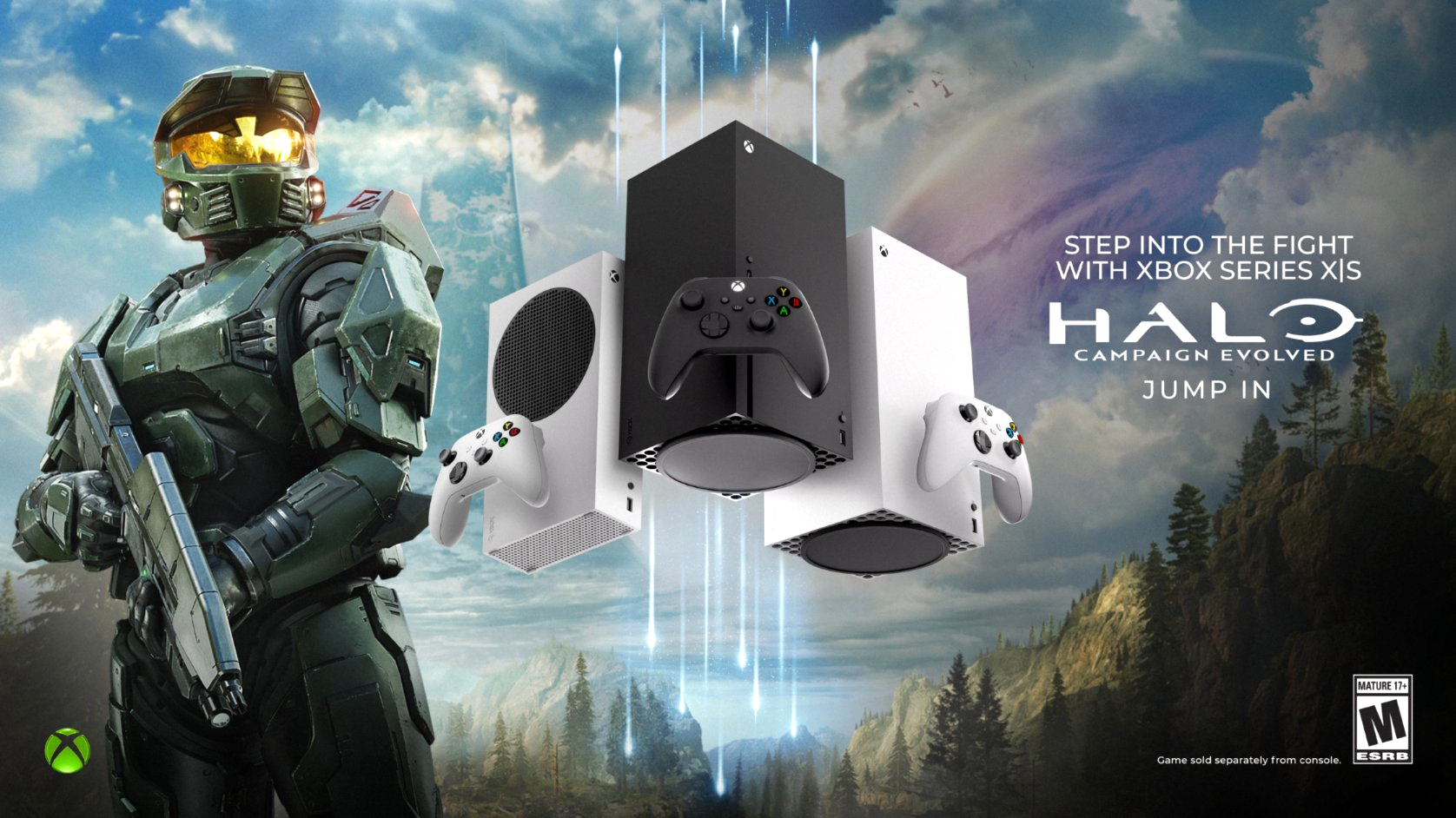
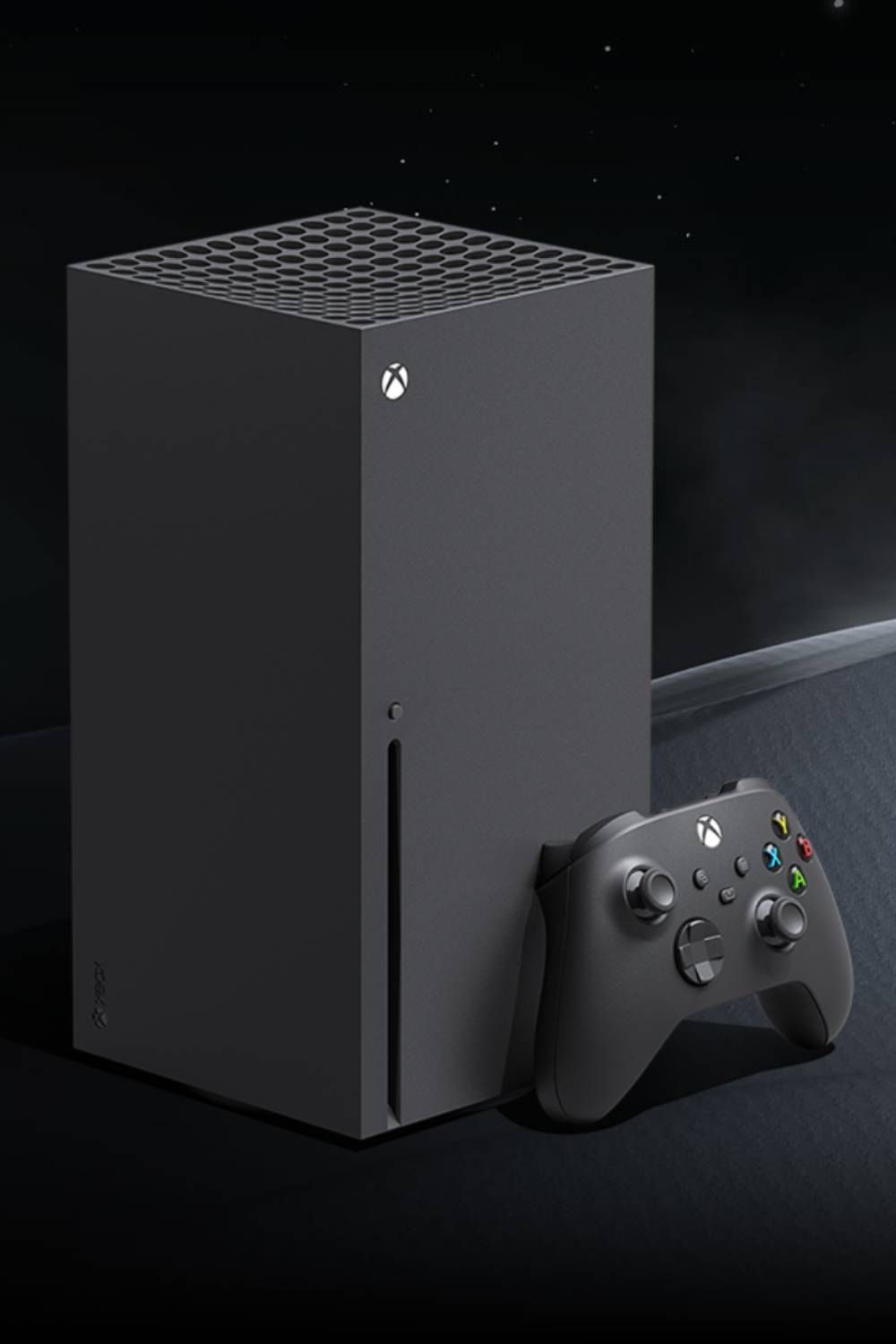
The gaming console market in the United States is experiencing a notable shift in consumer interest, as Microsoft’s Xbox Series S and X consoles have gained unexpected sales momentum while rival platforms, including the PlayStation 5 and the anticipated successor to the Nintendo Switch, see a deceleration in their market performance. According to recent industry tracking, this fluctuation highlights a change in hardware demand as the current console generation enters its fourth year.
Market data indicates that while the PlayStation 5—which launched in November 2020—has dominated the current generation in total units sold, its growth rate has moderated following the end of its initial supply-constrained period. Simultaneously, Microsoft has utilized a diversified strategy with the Xbox Series S, an entry-level console that has appealed to budget-conscious consumers in the U.S. market. Analysts tracking the sector report that this specific model has helped sustain Microsoft’s hardware presence even as the premium Xbox Series X faces more direct competition from Sony’s offerings.
Shifting Consumer Preferences and Hardware Demand
The current hardware trends reflect a maturation of the market. For the PlayStation 5, the transition from high-demand scarcity to broad availability has naturally led to a leveling off in sales volume. Sony Interactive Entertainment reported in their most recent fiscal filings that the PS5 has reached over 65 million units shipped worldwide as of late 2024, yet the rate of growth is slowing as the company focuses on software services and long-term user engagement rather than solely on console penetration.
Conversely, Microsoft’s approach has focused on ecosystem accessibility. The Xbox Series S, often available at a lower price point, has acted as a gateway for the Game Pass subscription service. This strategy has allowed the platform to maintain relevance in the U.S. market despite the lack of high-profile exclusive titles that have traditionally driven hardware sales for competitors. Industry observers note that the ability to offer a functional “next-gen” experience at a sub-$300 price point remains a significant differentiator for the Xbox brand in a tightening economy.
The Waiting Game for Nintendo
While Sony and Microsoft navigate the middle years of their current hardware, Nintendo remains in a distinct position. The Nintendo Switch, which debuted in March 2017, is nearing the end of its lifecycle. Market anticipation for a “Switch 2” or a next-generation device has caused a predictable decline in current Switch sales, as consumers hold off on hardware purchases in anticipation of an official announcement from Nintendo.
Nintendo has not yet provided a confirmed release date for a successor, though the company has stated that an announcement regarding their next console will occur within the current fiscal year, which concludes in March 2025. This “wait-and-see” approach from the consumer base has effectively created a vacuum in the handheld-hybrid market, further complicating the competitive landscape for Sony and Microsoft, who are attempting to capture the attention of players looking for a new gaming experience.
Understanding the Current Console Lifecycle
Historically, console generations experience a performance peak roughly three to four years after release. We are currently at that critical junction. The momentum seen by the Xbox Series S and X in the U.S. is not necessarily indicative of a long-term shift in market share leadership, but rather a reflection of seasonal promotions and aggressive retail pricing strategies that have targeted the American consumer base during the latter half of the year.
For gamers and investors, the next major checkpoint will be the release of holiday sales data and the subsequent announcements from Nintendo regarding their future hardware roadmap. As software development costs continue to rise, the hardware manufacturers are increasingly prioritizing user retention through subscription models like Xbox Game Pass and PlayStation Plus, shifting the focus away from raw console unit sales figures.
The gaming industry continues to evolve rapidly. If you have thoughts on how the current generation of hardware is holding up or which console you are currently using, please join the conversation in the comments section below.
Keep reading