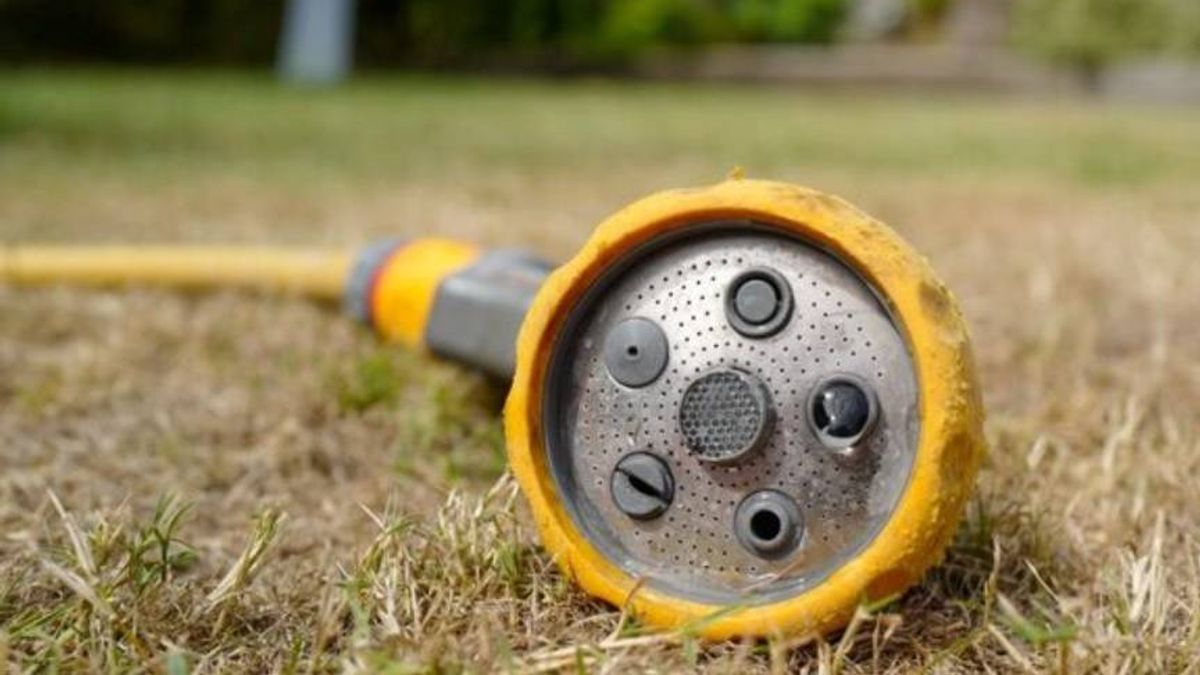
South East Water has implemented a temporary hosepipe ban for 2.4 million customers in Sussex, Surrey, Hampshire, and Berkshire, joining several other UK suppliers facing critical supply pressures. Approximately 10 million households across England are subject to restrictions due to extreme heat and extended dry spells.
South East Water Restrictions and Regional Impact
South East Water officially joined the growing list of providers enforcing temporary use ban
orders this week. The measure, which prohibits the use of hosepipes for tasks such as watering gardens, washing cars, filling pools, or cleaning patios, affects 2.4 million customers. The company, which already had a ban in place for Kent, expanded these restrictions to include Sussex, Surrey, Hampshire, and Berkshire.
According to the company, the decision stems from a combination of lower-than-average rainfall, sustained high temperatures, and surging consumer demand. Douglas Whitfield, the water supply director at South East Water, emphasized that the move is necessary to maintain basic services.
“To safeguard our shared resource and help prevent any homes from facing a sudden loss of water, we sadly need to ask our communities to not use their hosepipes immediately. We are deeply sorry for the disruption this causes, and we are incredibly grateful to everyone helping us protect water supplies in Sussex, Surrey, Hampshire and Berkshire.”
Douglas Whitfield, water supply director at South East Water
National Supply Pressures and Regulatory Fines
The restrictions are part of a broader, national challenge. South East Water is the fifth supplier to mandate such bans, following similar actions by Anglian Water, Cambridge Water, Southern Water, and Affinity Water. Collectively, these orders now impact roughly 10 million customers across the UK. Thames Water, the nation’s largest provider, has currently opted to request that customers voluntarily avoid hosepipe and sprinkler use during heatwaves rather than enforcing a formal ban.
For those living in regions where formal bans are in effect, the consequences of non-compliance are significant. Water companies retain the legal authority to issue fines of up to £1,000 for individuals caught violating the restrictions.
Meteorological Context: A Historic Dry Spell
The current shortages follow a period of dry weather. Met Office figures indicate that central and south-east England experienced their longest unbroken spell of no rainfall this century. This duration represents the longest rain-free streak for south-east England since April 1997 and for central England since June 1996.
The Environment Agency reports that reservoir storage levels in England have dipped to 79%, approximately five percentage points below the long-term average. Several sites are currently categorized as notably low,
including Grafham in Cambridgeshire and Hanningfield in Essex, while the Blagdon reservoir in Somerset is described as exceptionally low.
Climate Concerns and Infrastructure Debates
The frequency of these events has sparked debate regarding climate change and infrastructure management. Richard Allan, a professor of climate science at the University of Reading, noted that rising temperatures exacerbate the depletion of water sources.
“A warmer atmosphere is thirstier for moisture and this can mean water in the soil, rivers and reservoirs are depleted more effectively, leading to more rapidly onsetting droughts, heatwaves and wildfires.”
Richard Allan, professor of climate science at the University of Reading
However, critics argue that the issue is not solely environmental. Greenpeace UK’s chief scientist, Dr. Doug Parr, has criticized water companies for high levels of leakage, estimating that nearly three billion litres of water are lost daily through the network. The organization maintains that the government must prioritize the repair and renewal of water infrastructure to ensure future security. While the government and various water companies have outlined plans for nine new reservoirs by 2050, the Environment Agency has warned that immediate demand-control measures, such as smart meters and current hosepipe bans, remain essential to navigate the immediate climate pressures.
Worth a look