Brutal Tactics in the Gulf of California
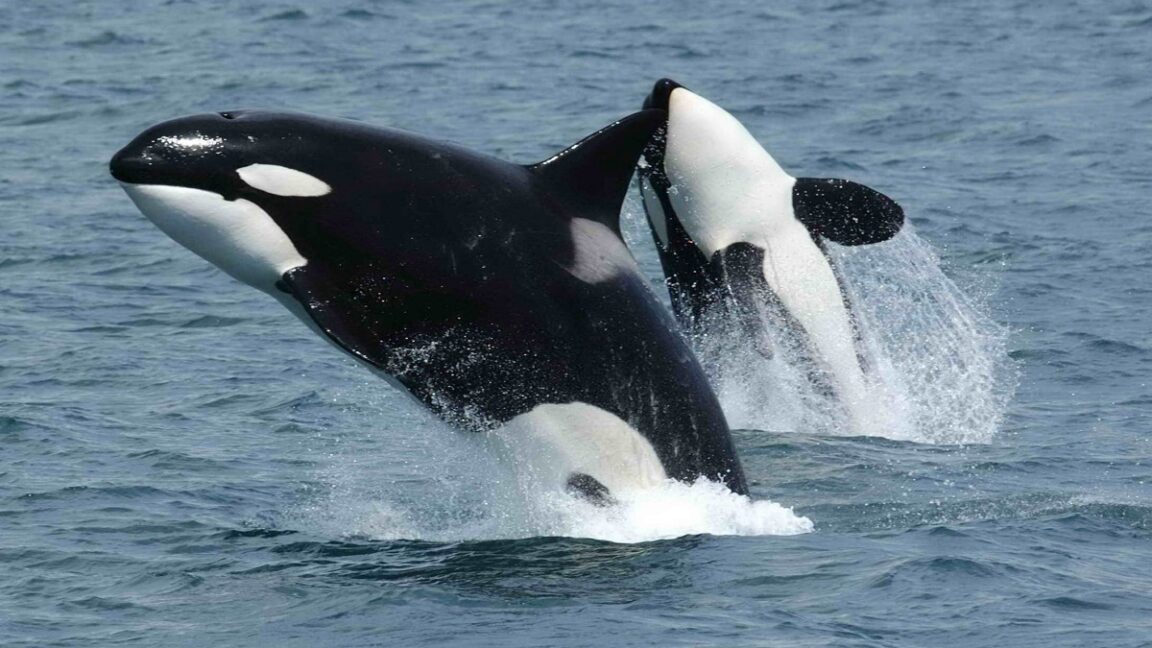
Orcas in the Gulf of California have been observed engaging in a sophisticated and aggressive hunting behavior, working cooperatively to ram sunfish with such intensity that the prey fragments upon impact. This behavior, detailed in a recent study published in the journal Frontiers in Ethology, marks a distinct departure from typical predation patterns where orcas use force primarily to remove flesh from their target.
Social Learning and the Play Factor
According to the research, this phenomenon involves complex social coordination among the orcas. Scientists suggest these actions may serve multiple purposes, ranging from social learning and skill practice for younger members of the pod to simple play. “We think this may help younger orcas feed more easily, or it could also just be for fun,” said co-author Kathryn Ayres of Beneath The Waves, a nonprofit organization focused on ocean health. “Orcas are known for playing with their food.”
Credit: Kathryn Ayres
A History of Cooperative Strategy
The behavior underscores the highly adaptive nature of orca social structures. Researchers have previously documented these apex predators utilizing a variety of cooperative strategies to secure meals, such as herding mobile rays, creating waves to displace penguins from ice floes, and blocking the escape routes of white sharks. In instances involving whale sharks, observations have shown one orca holding the prey steady while another executes a ramming strike. These actions are widely interpreted by marine biologists as forms of culturally learned behavior, which are passed down through generations within specific pods.
Credit: Kathryn Ayres
From Sunfish to Vessel Interactions
While the study specifically highlights the fragmentation of sunfish, it adds to a growing body of evidence regarding how orcas interact with their environment and other marine life. Beyond hunting, orcas have been the subject of intense scientific interest regarding their interactions with vessels.
Mapping Global Behavioral Repertoires
The findings published in Frontiers in Ethology provide a clearer window into the social intelligence of these cetaceans.
Ongoing Conservation Efforts
Worth a look