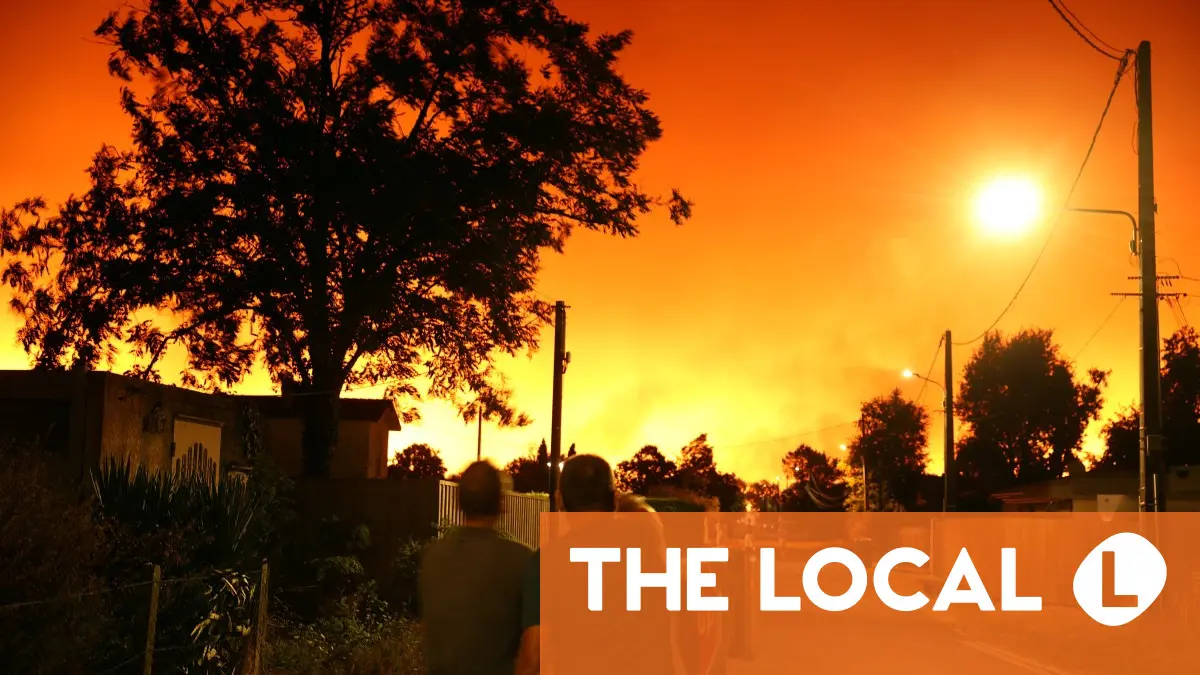
Deadly wildfires tore through parts of Italy, France, and Spain, killing three firefighters and driving thousands of residents from their homes as unseasonal temperatures and intense winds stoked fast-moving blazes across the Mediterranean. The fires erupted amid a severe regional heatwave, placing emergency services on high alert and forcing widespread evacuations across vulnerable rural and suburban sectors.
According to civil protection authorities in the affected regions, extreme meteorological conditions—including low humidity, prolonged dry spells, and powerful gusts—accelerated the spread of the flames. Firefighting agencies deployed hundreds of personnel alongside aerial water-drop units to contain the fronts, though shifting winds continuously complicated suppression efforts.
The human toll highlights the escalating danger facing frontline emergency crews during extreme weather events. National leaders across the affected European Union member states expressed condolences to the families of the fallen personnel while pledging additional resources to bolster containment operations.
Emergency Response and Evacuations Across Southern Europe
Local municipalities and civil protection teams established emergency shelters to accommodate displaced residents as mandatory evacuation orders expanded. Transport ministries in several regions temporarily closed roads and rail links near active fire zones to maintain public safety and allow heavy firefighting equipment unhindered access.
Meteorological agencies across the continent note that climate factors have intensified the frequency and severity of seasonal wildfire outbreaks. Governments have stepped up cross-border cooperation under the European Union Civil Protection Mechanism, sharing specialized aircraft and ground crews to assist local responders overwhelmed by simultaneous flare-ups.
Meteorological Factors Driving the Mediterranean Heatwave
The intense blazes are directly linked to an early-season heatwave that pushed temperatures well above seasonal averages across Southern Europe. High atmospheric pressure systems trapped hot air over the region, drying out vegetation and transforming forests and scrubland into highly flammable fuel.
Environmental experts point out that prolonged droughts have left soil moisture levels critically low in parts of Spain, France, and Italy. These dry conditions reduce the effectiveness of initial containment attacks, allowing small brushfires to escalate rapidly into major crown fires.
Official Safety Advisories and Resources for Residents
Civil defense authorities continue to issue high-risk alerts for multiple provinces, urging citizens to avoid outdoor activities that could spark accidental fires, such as agricultural burning or discarding flammable materials. Residents in high-risk zones are advised to monitor official emergency broadcasts and local municipal channels for real-time evacuation orders and shelter locations.
Updates regarding containment percentages, road closures, and air quality advisories are regularly published by national civil protection directorates, including the Italian Department of Civil Protection, France’s Sécurité Civile, and Spain’s Directorate-General for Civil Protection and Emergencies.
Emergency management agencies are scheduled to provide their next comprehensive damage assessment and containment briefing following ongoing overnight suppression operations. Readers are encouraged to share this report and join the discussion in the comments below.