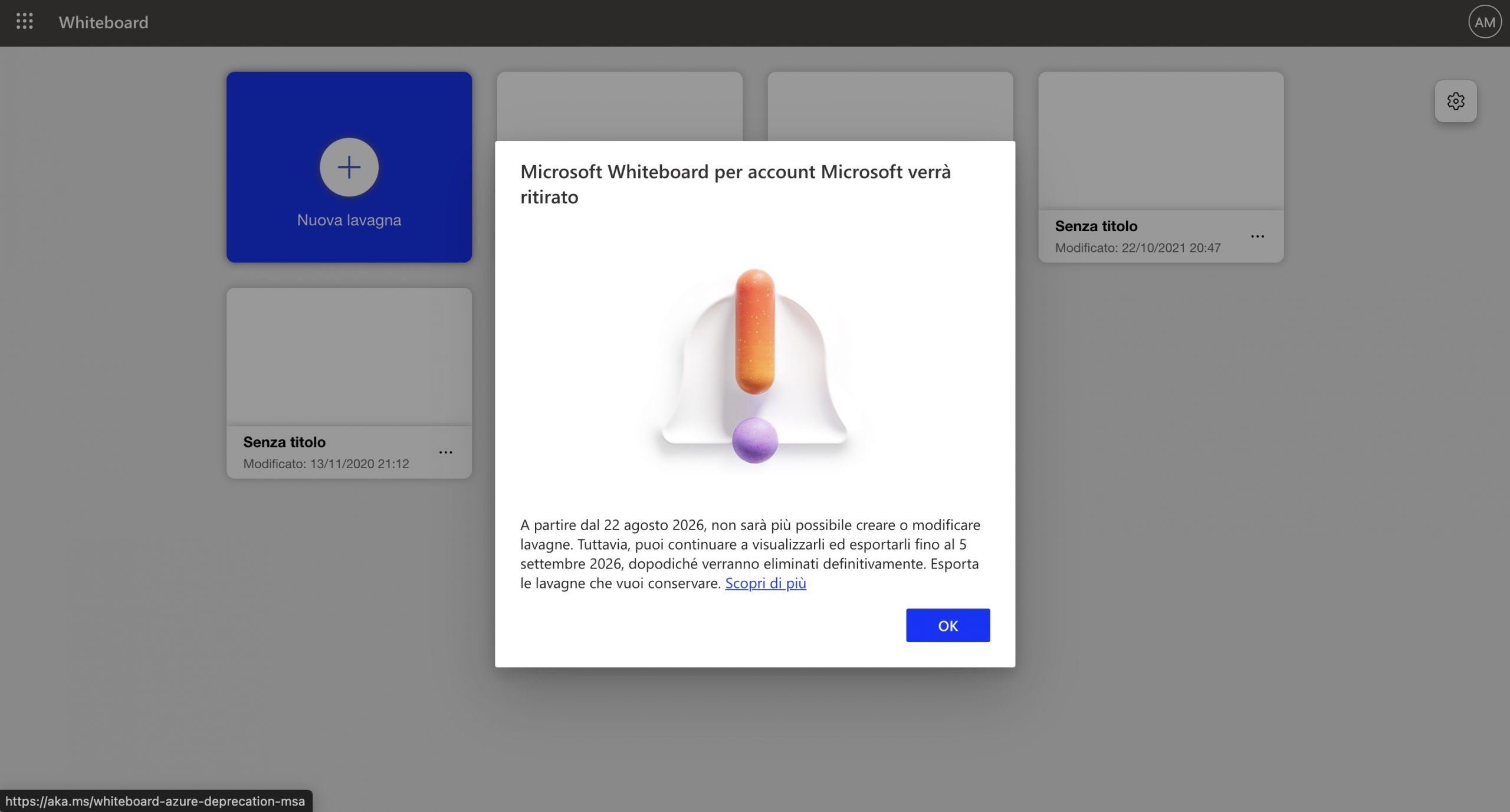
Microsoft has not announced the discontinuation of Microsoft Whiteboard. The digital canvas remains an active part of the Microsoft 365 ecosystem, receiving regular feature updates and integration enhancements for Microsoft Teams and other collaboration tools.
Despite isolated reports or rumors suggesting a “fine supporto” (end of support), official documentation from the Microsoft Support portal confirms the service is operational. The platform continues to serve as a primary tool for real-time visual collaboration, allowing users to brainstorm, sketch, and organize ideas across various devices.
The confusion regarding the service’s status may stem from the evolution of the product. Microsoft Whiteboard transitioned from a standalone Windows app to a more integrated web-based experience and a deeply embedded feature within Teams meetings. This shift in delivery method often leads to misconceptions about the availability of specific app versions versus the service itself.
Current Integration and Availability of Microsoft Whiteboard
Microsoft Whiteboard is currently available as a web application, a mobile app for iOS and Android, and as a built-in component of Microsoft Teams. According to Microsoft’s technical documentation, the tool is designed to facilitate “infinite canvas” collaboration, meaning there are no fixed borders to the workspace.
The service is integrated into the Microsoft 365 suite, which means its lifecycle is tied to the broader productivity cloud rather than a standalone software license. For enterprise users, the tool is managed via the Microsoft 365 admin center, where administrators can enable or disable the service for their organization.
Recent updates have focused on enhancing the AI capabilities of the board. Microsoft has been integrating “Copilot” features into its productivity suite, which includes the ability to generate ideas, summarize brainstorms, and organize sticky notes automatically using generative AI.
Distinguishing Between App Versions and Service End-of-Life
In the software industry, a distinction exists between “end of support” for a specific version of an application and the “retirement” of a service. Microsoft frequently updates the architecture of its apps—moving from legacy frameworks to newer, web-based versions—which can result in older versions of an app being deprecated.
When a specific version of a tool is retired, users are typically prompted to migrate to the latest version. This process ensures that security patches and new features are applied consistently across the user base. In the case of Whiteboard, the focus has shifted toward the web-based experience to ensure cross-platform compatibility.
Users who encounter “end of support” messages are generally seeing notifications to update their client software rather than a notice that the Whiteboard service itself is being shut down. Official Microsoft 365 roadmap entries continue to list enhancements for the product, contradicting any claims of an imminent shutdown.
Alternatives for Creative Collaboration
While Microsoft Whiteboard remains active, the market for digital whiteboarding is highly competitive. Organizations often evaluate multiple tools depending on their specific workflow needs. Common alternatives include:
- Miro: A comprehensive visual collaboration platform often used for complex agile workflows and mapping.
- Mural: A tool focused on guided collaboration and workshops for large teams.
- Lucidspark: A virtual whiteboard that integrates closely with Lucidchart for technical diagramming.
The choice between these tools often depends on the level of integration required. For companies already utilizing the Microsoft 365 stack, Whiteboard offers the advantage of native integration with Outlook, Teams, and OneDrive, which simplifies permission management and file sharing.
How to Verify Service Status and Updates
To ensure the most accurate information regarding the status of Microsoft services, users should rely on official channels rather than third-party reports. The Microsoft 365 Admin Center provides a “Service Health” dashboard that lists any active outages or planned maintenance for all cloud services, including Whiteboard.
Additionally, the Microsoft 365 Roadmap is the definitive source for upcoming features and the lifecycle of products. If a service were to be retired, Microsoft typically provides a minimum of 12 months’ notice to enterprise customers to allow for data migration and transition planning.
Users are encouraged to keep their Microsoft 365 apps updated to the latest version to avoid compatibility issues and to access the most recent collaboration features.
The next scheduled set of updates for Microsoft 365 collaboration tools will be detailed in the upcoming quarterly roadmap release. Please share your experience with digital whiteboarding tools in the comments below.
Keep reading