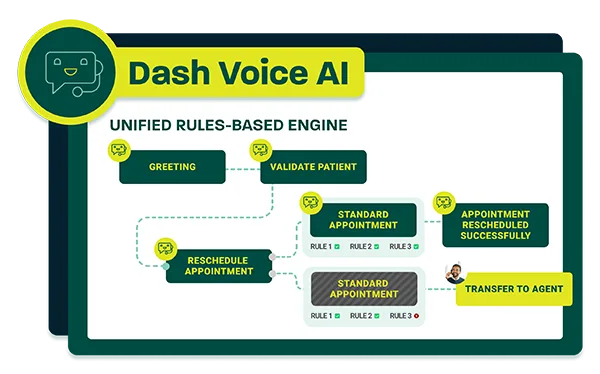
Relatient has rolled out a new clinical request automation capability within its Dash Voice AI platform, establishing an agentic voice system designed to process non-scheduling patient phone inquiries without human intervention. The technology addresses a major operational bottleneck in ambulatory care, where approximately 35% of all inbound calls involve clinical requests such as questions for nursing staff, medication and prescription refills, and billing clarifications.
Operating directly inside the patient access layer, the system converts unstructured voice audio into actionable structured data. By pulling historic appointment context and electronic health record demographic files, Dash Voice AI evaluates caller intent in real time and attaches organized notes directly to existing electronic health record work queues. The deployment supports a client footprint encompassing over 50,000 providers and managing 150 million appointments annually.
Healthcare organizations face mounting administrative friction from traditional voicemail systems, where manual transcription drains valuable clinical hours. Relatient Chief Executive Officer Jeff Gartland noted that scheduling represents only about half of inbound patient communication, leaving a substantial volume of clinical and administrative queries requiring staff attention. According to data cited by the company, medical practices fielding more than 1,000 voicemails weekly can reclaim over 300 staff hours each week by automating these non-scheduling workflows, redirecting that time toward direct patient care.
Real-Time Triaging and Direct Electronic Health Record Integration
The architecture of the updated voice platform relies on conversational intelligence designed to minimize manual sorting.
Context-aware triaging evaluates the caller’s spoken intent against underlying electronic health record demographic files and past appointment details. Provider groups maintain control over custom routing rules, allowing administrators to designate specific request categories directly to targeted departments, such as surgical coordinators, billing representatives, or specialty triage nurses. Once the call concludes, the platform constructs an actionable task complete with summary notes inside the practice management workflow.
This direct integration eliminates the lag associated with listening to, transcribing, and manually entering voicemail messages into separate software interfaces. By capturing structured data at the point of initial contact, medical practices can mitigate communication errors and reduce patient attrition caused by delayed response times.
Addressing Operational Return on AI in Healthcare IT
The introduction of automated clinical request handling coincides with a broader shift in healthcare technology procurement. Hospital systems and ambulatory medical groups are increasingly prioritizing immediate Return on AI and Platform Investment, focusing heavily on operational efficiency rather than speculative point solutions or passive databases.
Executive leadership teams across medical practices face persistent labor shortages and administrative burnout. Deploying agentic voice layers and intelligent workflow automation helps alleviate staffing strain by removing routine transcription burdens. As healthcare organizations evaluate capital allocation, software solutions that demonstrate verifiable time savings and measurable reductions in administrative overhead continue to anchor modern ambulatory IT strategies.
Worth a look