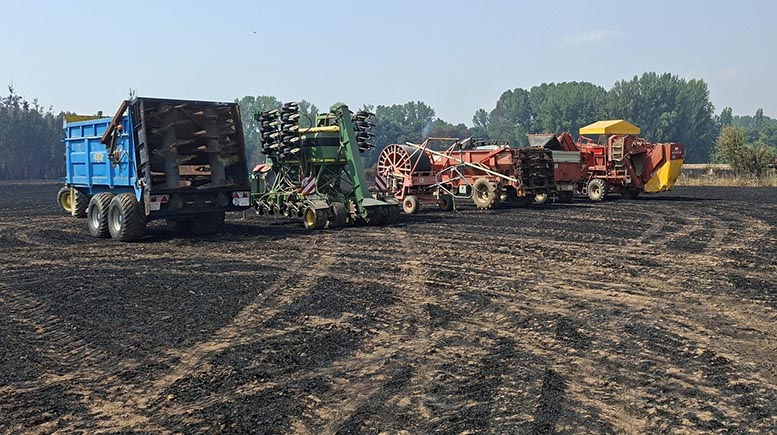
When wildfires sweep through agricultural regions, agricultural insurance policies structured through specialized pools like Agroseguro provide crucial financial backing for affected crop and livestock producers. According to official guidelines from Agroseguro, standard agricultural insurance policies in Spain explicitly include wildfire guarantees covering both crop yields and livestock production.
Producers who suffer fire damage must notify insurers promptly to initiate claims assessments. Understanding how these policies operate, what documentation is required, and how damage is evaluated helps farmers navigate recovery after destructive rural fires.
How Wildfire Coverage Operates in Agricultural Insurance
Agricultural insurance frameworks integrate fire protection as a fundamental guarantee across multi-risk plans. When flames damage orchards, vineyards, grain fields, or pasturelands, policyholders do not face the disaster entirely alone. The inclusion of fire risk ensures that unexpected natural catastrophes or accidental blazes do not instantly bankrupt family farms or commercial agricultural enterprises.
Under these policies, coverage typically extends to both the standing harvest and, depending on the specific module contracted, the productive structures themselves—such as irrigation systems, greenhouses, and specialized trellising. Livestock producers also find protection against direct losses of animals and, in many cases, necessary emergency feed provisions or structural damage to barns and stables.
Immediate Steps for Policyholders After Fire Damage
Time remains a critical factor following any agricultural disaster. Insurers emphasize that notifying the claims department quickly allows adjusters to visit the land before recovery operations or emergency clearing alter the physical evidence.
- Contact the insurer or insurance agent immediately to report the fire incident.
- Provide exact location details, cadastral references, and an initial estimate of the affected acreage or livestock count.
- Avoid destroying or clearing damaged crops until expert loss adjusters have completed their on-site inspection, unless local emergency authorities mandate immediate clearing for safety.
- Gather official reports from firefighters, forestry agents, or local law enforcement to substantiate the cause and scale of the fire.
Assessing Crop and Livestock Losses
Once a loss is reported, specialized agricultural appraisers visit the farm to calculate the exact economic impact. For crops, adjusters evaluate the percentage of yield loss, the expected market value of the harvest, and whether the plants themselves can recover in subsequent seasons or require total removal and replanting. For livestock operations, assessments cover direct mortality, veterinary care costs for injured animals, and temporary infrastructure losses.
Claims payments depend on the insured capital selected when the policy was first contracted. Farmers select insured values based on historical yields and expected market prices, meaning accurate record-keeping during the policy renewal phase directly influences final compensation amounts.
Next Steps and Official Guidance
Farmers seeking to verify specific policy details or initiate a claim following a wildfire can access guidance directly through the Agroseguro official portal or consult their authorized agricultural insurance mediator. Regular reviews of farm policies ahead of high-risk seasonal windows ensure coverage limits match current operational costs.
We welcome your questions and insights below. Share this article with fellow agricultural producers to help spread awareness about essential disaster recovery procedures.