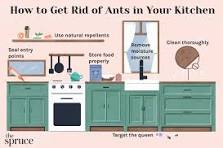
Dealing with how to remove ants from your kitchen requires a systematic approach combining proper sanitation, baiting strategies, and physical exclusion methods to address both visible foragers and hidden colonies. According to the United States Environmental Protection Agency (EPA), effective pest management starts with removing the food and moisture sources that attract insects indoors in the first place, rather than relying solely on chemical sprays that often only kill surface workers.
For homeowners and apartment dwellers alike, kitchen ant infestations typically begin when scouting workers locate crumbs, sticky residues, or standing water. Once a food source is identified, these foragers lay down a chemical pheromone trail that guides hundreds of nestmates directly to the pantry or countertop. Understanding this behavior helps explain why simple wiping often fails; unless the underlying attraction and the queen or colony are disrupted, the cycle of foraging will continue unabated.
Implementing a successful eradication plan involves mapping entry points, sealing structural gaps, and deploying slow-acting baits that worker ants carry back to share with the rest of the colony. To help navigate this process effectively, the following sections outline the essential phases of kitchen ant control, from initial identification to long-term prevention.
Identifying Common Kitchen Invaders and Their Habits
Before applying any treatment, identifying the specific ant species entering the kitchen helps determine the most effective control method. Small, dark brown or black ants often turn out to be odorous house ants or pavement ants, which are drawn heavily to sugary substances, while other species prefer proteins and fats. According to pest management guidelines from the University of California Agriculture and Natural Resources, misidentifying the pest often leads to using the wrong type of bait, resulting in persistent infestations.
Most household ants nest outdoors in soil, beneath concrete slabs, or inside exterior walls, traveling indoors daily along predictable utility lines, baseboards, and window frames. When foragers find an unsecured sugar bowl or a grease spill on a stove burner, they quickly recruit nestmates. Spotting a steady line of insects moving from a specific crevice behind a refrigerator or dishwasher usually indicates a nearby colony route.
Keeping a close eye on where the ants congregate helps pinpoint their entry points. Inspecting these areas with a flashlight during peak foraging times—often early morning or evening—allows for targeted intervention without wasting resources on random room spraying.
Sanitation and Eliminating Attractants
The foundation of any ant management strategy relies heavily on rigorous kitchen hygiene. According to the National Pest Management Association (NPMA), eliminating accessible food residues and moisture cuts off the primary survival mechanisms that draw insects indoors. Thorough cleaning sessions should target areas where organic debris accumulates out of sight.
Key sanitation steps include:
- Wiping down countertops, stovetops, and small appliances daily with a solution of soap and water or a vinegar-based cleaner to disrupt chemical pheromone trails.
- Storing all pantry items, including flour, sugar, cereal, and pet food, in heavy-duty, airtight glass or plastic containers with rubber gaskets.
- Emptying kitchen trash cans regularly and washing the interior bins to remove sticky spills and sugary residue.
- Fixing leaky plumbing under sinks and ensuring that sponges and dish cloths are dried completely after use, as moisture is often more critical to ants than food.
Maintaining these habits ensures that even if stray foragers wander inside, they find nothing to sustain a colony or encourage further recruitment.
Deploying Baits and Physical Barriers
When sanitation alone proves insufficient, targeted chemical controls such as slow-acting bait stations offer a reliable mechanism for colony elimination. Unlike immediate-kill contact sprays that only eliminate the visible workers, sweet or protein-based baits containing active ingredients like boric acid or abamectin allow foraging ants to ingest the poison and transport it back to share with the queen and larvae.
Placing bait stations directly along established ant trails—without blocking their path—encourages maximum consumption. According to consumer safety guidelines from the National Pesticide Information Center (NPIC), bait products should always be kept out of reach of children and household pets by utilizing enclosed, tamper-resistant bait housings.
In addition to baiting, sealing entry points with silicone caulk prevents new waves of insects from crossing the threshold. Caulking gaps around baseboards, window frames, and where utility pipes enter exterior kitchen walls shuts down interior access routes permanently.
Next Steps and Long-Term Prevention
Monitoring treated areas for at least two weeks after implementing sanitation and baiting measures determines whether the colony has been completely eradicated or if a secondary treatment is necessary. Homeowners managing persistent or structural infestations involving species like carpenter ants should consult licensed pest control professionals for comprehensive evaluations and specialized treatments.
Readers are encouraged to share their own experiences with kitchen pest control or ask questions in the comments section below.
Worth a look