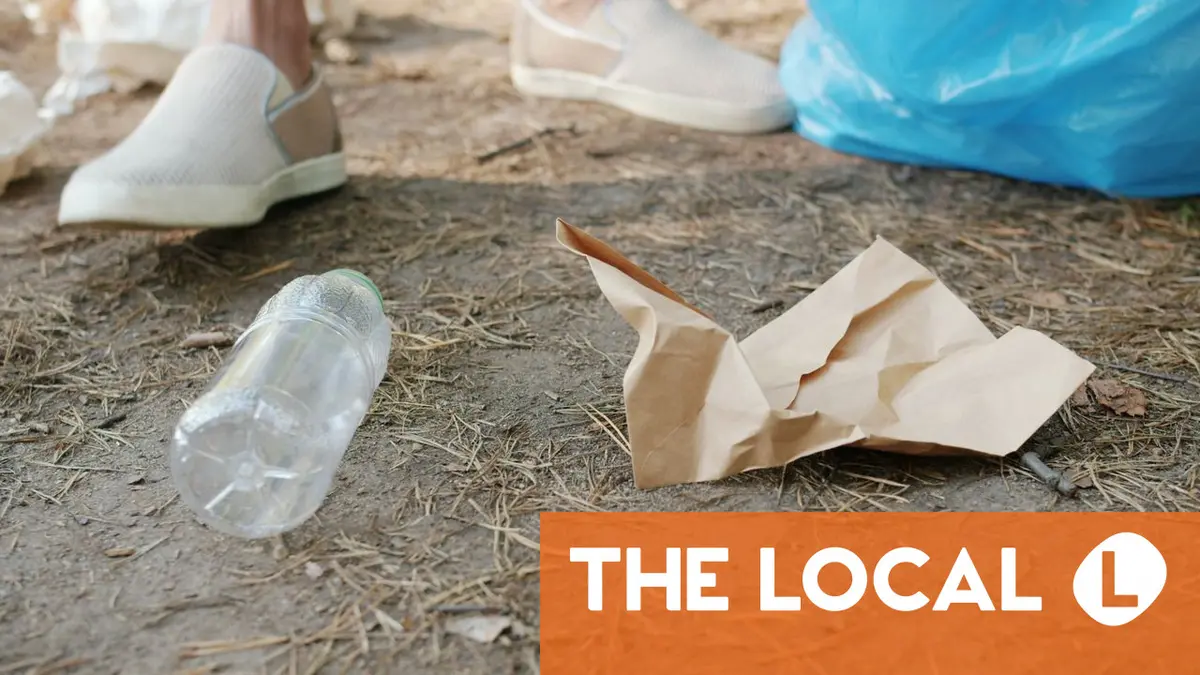
Switzerland’s legal and administrative landscape shifts significantly this month, introducing stricter nationwide anti-littering penalties, modernized digital naturalization pathways, and preparations for traditional national holiday gatherings. According to federal and cantonal updates, these August 2026 changes touch everything from public cleanliness enforcement to how foreign residents apply for Swiss citizenship.
The transition brings concrete adjustments for both citizens and expatriates living across the Alpine nation. Authorities have outlined clear operational frameworks for the new regulations, aiming to streamline municipal waste management while simultaneously expanding digital access to government services.
Understanding these adjustments requires looking closely at the specific statutes, enforcement mechanisms, and administrative timelines taking effect across the 26 cantons. Below is a detailed breakdown of what changes in Switzerland this August and how residents are affected.
Nationwide Anti-Littering Fines Take Effect Under Federal Guidelines
Switzerland is implementing a standardized approach to public cleanliness, backed by federal framework updates that empower local authorities to levy direct financial penalties for street-level waste. Under the updated regulations detailed by the Swiss Federal Administration, dropping small items like cigarette butts, beverage cans, and takeaway packaging in public spaces now triggers immediate on-the-spot fines ranging from 50 to 300 Swiss francs, depending on the severity and cantonal adoption rates.
Municipal police forces and specialized environmental inspectors have been granted expanded authority to issue summary penalty notices. Previously, enforcement varied widely between cantons, with some relying on municipal bylaws that proved difficult to prosecute. The standardized August 2026 framework provides a uniform legal basis for municipal officers to fine offenders directly, reducing administrative backlog in local courts.
Environmental protection agencies have welcomed the move, noting that street cleaning costs municipalities millions of francs annually. Local councils across Zurich, Geneva, and Bern have already updated their municipal fee schedules to align with the federal guidelines, launching public awareness campaigns to inform residents ahead of the enforcement push.
Digital Naturalization Applications Streamline Citizenship Procedures
Foreign nationals seeking Swiss citizenship can now utilize an expanded digital portal for naturalization applications, following an administrative rollout coordinated by the State Secretariat for Migration (SEM). The updated digital infrastructure allows applicants to submit initial paperwork, track review statuses, and upload supporting civil status documents through a secure federal online interface.
The modernization initiative aims to reduce processing times that historically stretched across many months or years at municipal, cantonal, and federal levels. While the substantive legal requirements for naturalization—including language proficiency, residency duration, and integration standards—remain unchanged, the intake process shifts away from paper-heavy file transfers.
Applicants must still verify their residency status and secure local municipal approvals, but the secure digital transmission minimizes lost documents and administrative friction. Regional civil registry offices have conducted staff training sessions throughout the summer to handle the influx of digital submissions expected following the August launch.
Swiss National Day Celebrations Shape August Public Schedules
The month opens with Switzerland’s primary national holiday on August 1st, prompting nationwide celebrations, official addresses, and widespread business closures. Federal authorities, including members of the Swiss Federal Council, traditionally deliver keynote speeches at historic sites such as the Rütli Meadow, emphasizing national unity, civic responsibility, and democratic traditions.
Because August 1 falls on a Saturday in 2026, retail operations, banks, and administrative offices observe standard holiday closures, with public transport networks operating on modified holiday timetables. Municipalities across all linguistic regions host community brunches on farms, public bonfires, and fireworks displays, drawing crowds of residents and international visitors.
Public safety officials have issued seasonal advisories regarding private fireworks use and campfire restrictions, as dry summer conditions occasionally prompt local fire bans in forested cantons. Communities publish specific safety updates on official municipal websites ahead of the holiday weekend.
Next Steps and Official Resources
Residents seeking further details on cantonal littering fine schedules or looking to initiate digital naturalization procedures can access official guidance directly through the Swiss Confederation’s official portal. Local municipal offices (Gemeinde / Commune) provide specific cantonal breakdowns for waste enforcement and regional holiday event calendars.