The intricate relationship between hand dexterity and human brain evolution continues to capture the attention of anthropologists and neuroscientists examining how early tool use shaped cognitive capacity. Recent research into manual dexterity and cortical reorganization highlights how the physical adaptation of fingers drove neurological development throughout hominin history, according to evolutionary studies published in academic journals focusing on human anatomy and paleoneurotherapy.
Dr. Helena Fischer, editor of health at World Today Journal, notes that tracing the connection between fine motor skills and cerebral expansion offers vital insight into modern neurological health and rehabilitation. As researchers deploy advanced imaging to map the human motor cortex, historical milestones in tool-making emerge not merely as technological shifts, but as core drivers of neuroplasticity and neural network expansion.
Understanding how physical manipulation alters brain structure requires examining the dense neural architecture connecting the hands to the cerebral cortex. This biological feedback loop helps scientists decode prehistoric skeletal remains and informs modern therapeutic approaches for hand-brain trauma recovery.
The Evolutionary Mechanics of Grip and Cortical Expansion
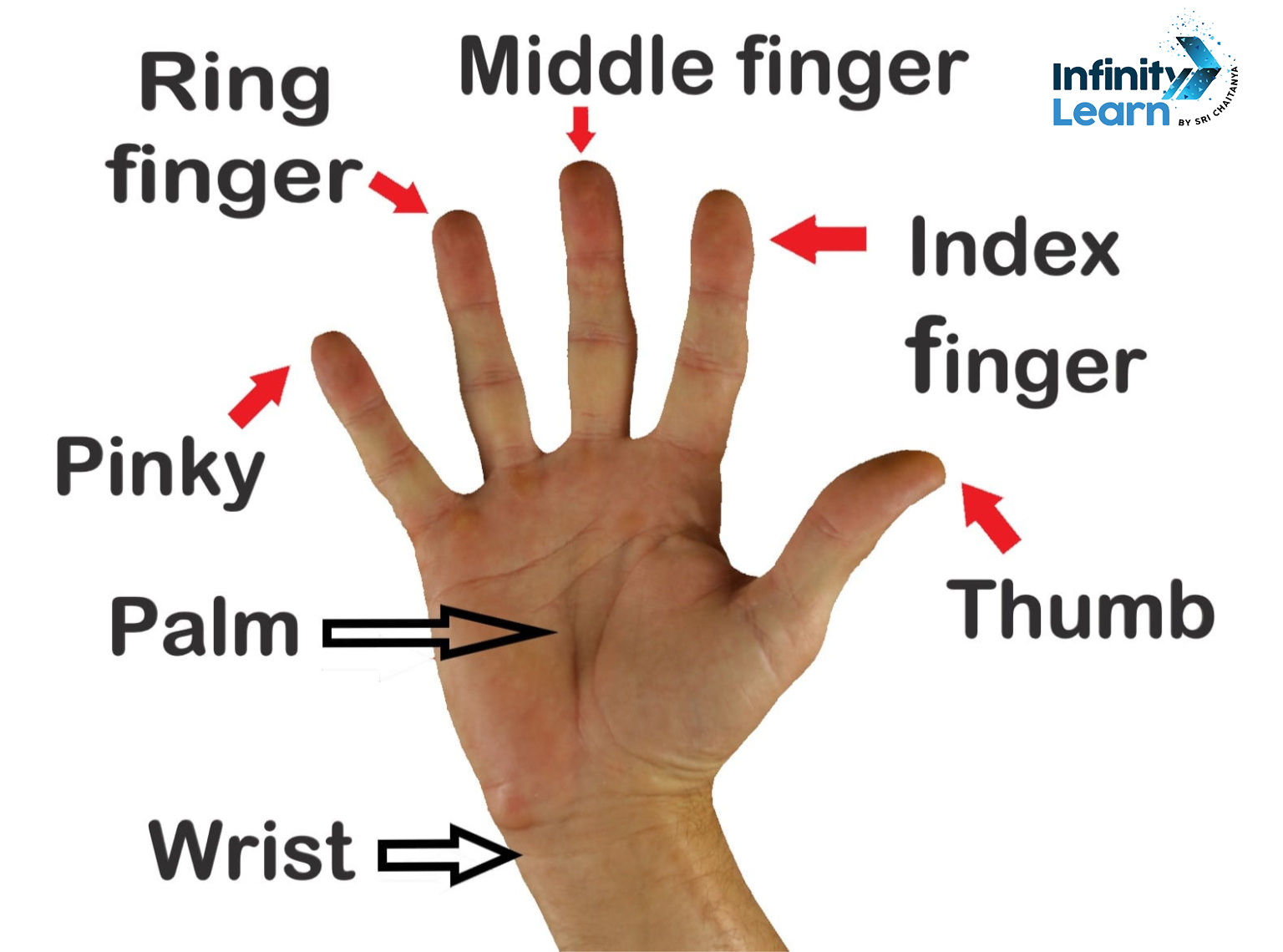
The human hand features an opposable thumb and independent finger mobility that distinguish our lineage from other primates. According to comparative anatomical studies outlined by the Nature Portfolio, the evolution of precision and power grips placed unprecedented demands on the central nervous system. As early hominins began shaping stone tools approximately 2.6 million years ago during the Lower Paleolithic period, the repetitive, high-precision tasks required dedicated neural real estate.
Neuroimaging and fossil record analysis indicate that regions of the motor cortex controlling hand movements expanded concurrently with the enlargement of the frontal and parietal lobes. This expansion fostered advanced problem-solving, spatial reasoning, and social communication. Because language gestures and tool manipulation share overlapping neural circuits in Broca’s area, physical dexterity directly supported the emergence of complex syntax and verbal communication.
Anthropological data compiled by the Smithsonian National Museum of Natural History demonstrates that early stone tool innovations, such as Oldowan and Acheulean technologies, demanded precise force calibration and spatial coordination. These archaeological markers align chronologically with significant jumps in hominin endocranial volume, underscoring a co-evolutionary dynamic between manual capability and cognitive processing power.
Modern Neurological Implications and Clinical Insights
The deep evolutionary link between hand use and brain function shapes contemporary rehabilitation medicine and neurology. Clinical protocols developed at major research institutions utilize goal-directed hand exercises to promote neuroplasticity in stroke survivors and patients recovering from traumatic brain injuries. Because a disproportionately large area of the primary somatosensory and motor cortices is dedicated to processing tactile feedback and movement from the hands, manual tasks serve as a potent catalyst for cortical reorganization.
Occupational therapy regimens heavily rely on these principles. Fine motor skill training helps rebuild damaged neural pathways by leveraging the brain’s inherent capacity to form new synaptic connections. Data from the World Health Organization on neurological rehabilitation emphasize that targeted upper-limb therapies significantly improve overall functional independence and cognitive engagement in patients with neurodegenerative conditions.
Furthermore, ergonomic research in industrial and medical fields applies these evolutionary insights to prevent repetitive strain injuries and design intuitive interfaces for modern technology. Recognizing that our hands are wired for tactile exploration and tool deployment guides the creation of surgical instruments, prosthetic devices, and digital touchscreens that harmonize with human neuroanatomy.
Future Research Horizons in Paleoneurobiology
Investigating the physiological bridge between hand anatomy and brain evolution increasingly relies on multidisciplinary collaboration. Paleontologists, geneticists, and neuroscientists are combining micro-CT scanning of fossilized hand bones with ancient DNA analysis to pinpoint the genetic regulators responsible for both digit formation and neural development. Ongoing studies examine how specific transcription factors, such as the HOX gene clusters, coordinated the dual scaling of manual dexterity and cerebral capacity across evolutionary timelines.
Academic institutions and research councils continue to fund excavations and laboratory simulations designed to test prehistoric tool-making hypotheses under controlled conditions. These projects measure muscle activation patterns, grip force distribution, and metabolic energy expenditure in modern humans replicating ancient manufacturing techniques, yielding empirical data that refines existing models of hominin evolution.
As academic teams publish new findings regarding primate locomotion, fossilized hand morphology, and brain endocasts, public access to these discoveries expands through academic databases and institutional repositories. Readers seeking further scientific updates can consult official releases from international research bodies and peer-reviewed anthropology journals.
Official updates, peer-reviewed study publications, and upcoming anthropological symposia schedules are available through academic portals such as ScienceDirect. Share your thoughts on this research or join the discussion in the comments below.
Related reading