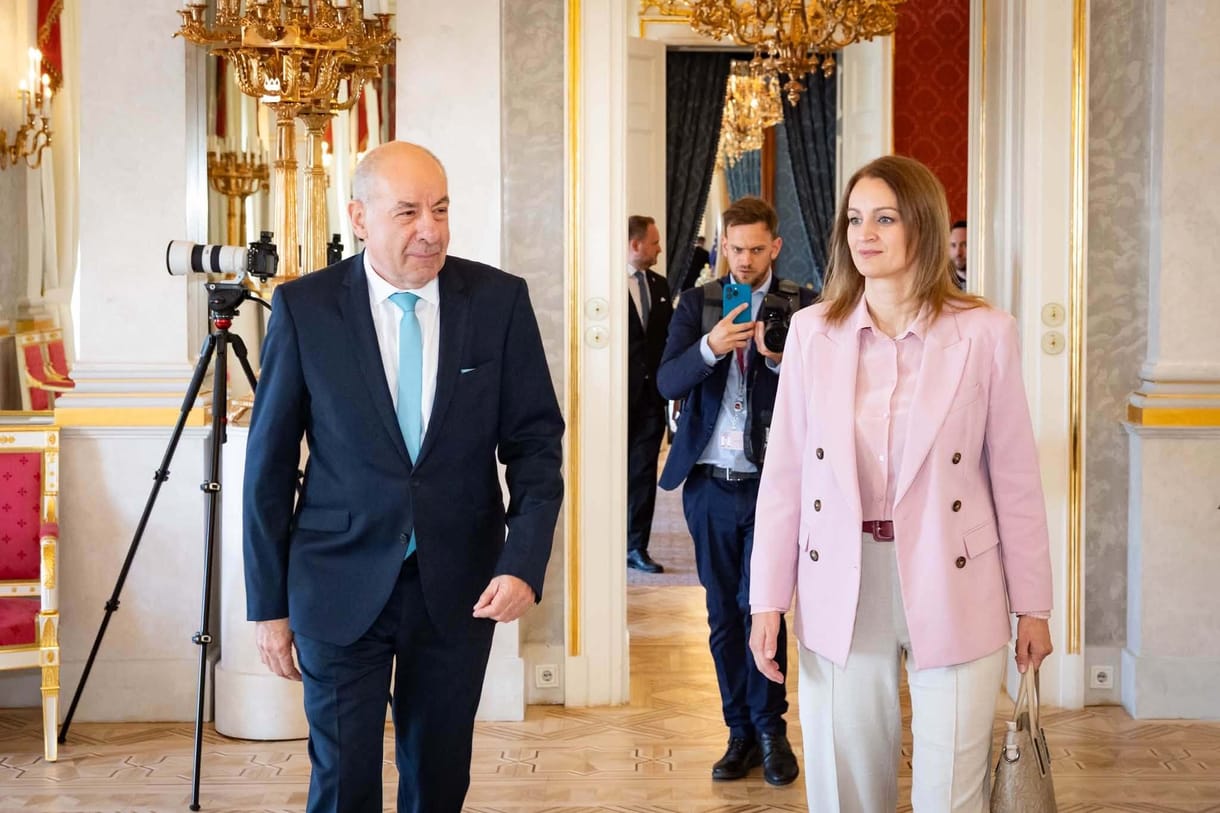
The Sándor-palota Warns Against Partisan Subordination of Legal Norms
Hungarian constitutional dynamics and institutional oversight drew fresh focus as public figures and legal analysts engaged in high-profile discussions regarding the limits of presidential power. Tamás Sulyok, operating within the framework established by the Sándor-palota, recently articulated strict views on the separation of legal norms and political agendas, warning that the subordination of constitutional law to political interests creates an alarming precedent.
The dialogue surrounding the office of the Hungarian head of state underscores broader tensions within the nation’s political landscape. Observers note that debates over executive authority, legislative oversight, and the practical application of constitutional rules remain central to domestic discourse as political actors navigate shifting institutional relationships and public expectations.
Preserving Democratic Frameworks Without Partisan Interference
According to updates released by the Sándor-palota, the official residence and office of the president, the administration continues to emphasize strict adherence to constitutional boundaries. The office maintains that the primary duty of the head of state is to safeguard the democratic framework and ensure that legal statutes are applied impartially, free from partisan interference.
The debate over the role of constitutional law in modern governance has intensified following recent public statements by Tamás Sulyok. Sulyok emphasized that when legal frameworks are co-opted to serve immediate political objectives, public trust in foundational institutions diminishes. This perspective aligns with ongoing academic and legal scrutiny regarding how executive powers are exercised in contemporary European democracies.
Balancing Executive Powers and Parliamentary Leadership
Legal scholars and political analysts have examined these developments against the backdrop of recent political realignments. Discussions surrounding governance strategies, institutional checks and balances, and the division of authority between the presidency and parliamentary leadership continue to occupy a prominent place in public policy forums.
As outlined by the Office of the President, the institution remains committed to transparency regarding its constitutional duties and hatáskörök (competencies). Official communications stress that executive decisions are guided entirely by statutory obligations rather than political expediency.
Regulatory Transparency and Official Communications
The practical execution of presidential duties involves constant navigation of legal and administrative mandates. The Sándor-palota routinely publishes regulatory updates and summaries of official meetings to maintain public accountability. These disclosures provide citizens and researchers with verified data regarding executive actions, legislative reviews, and diplomatic engagements.
Public interest in these procedures remains high, particularly as political parties and civic organizations monitor how institutional checks function in practice. Analysts point out that clear communication from the presidency plays a vital role in mitigating misunderstandings about the extent of executive power under the Fundamental Law of Hungary.
Accessing Presidential Documentation and Historical Precedents
For those seeking official documentation, the Sándor-palota portal provides comprehensive resources detailing the legal scope of presidential responsibilities, historical precedents, and regular updates on official state business.
Related reading