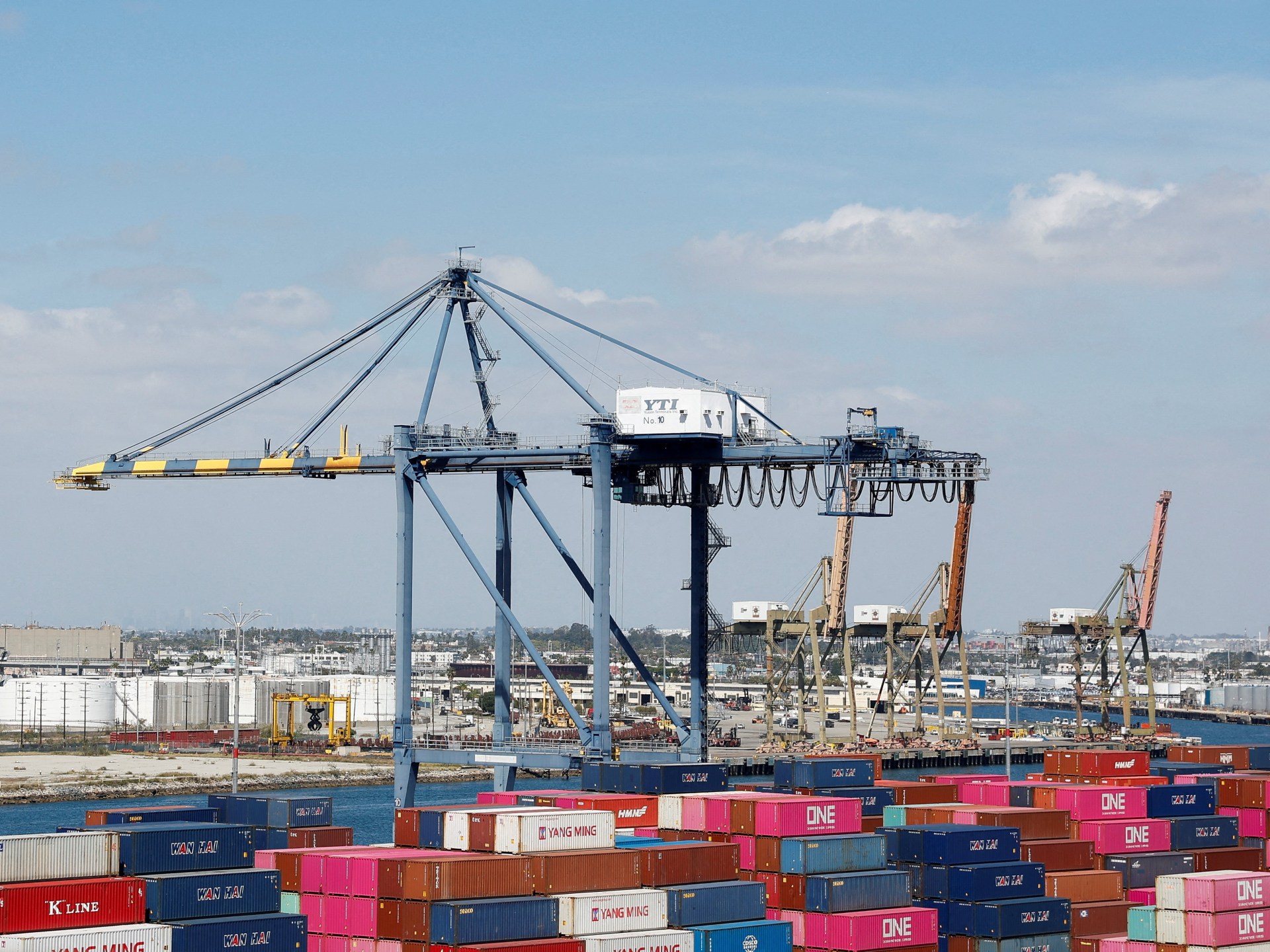
President Donald Trump is pressing ahead with new double-digit tariffs on 60 trading partners, imposing levies ranging from 10 percent to 12.5 percent on imports accounting for 99 percent of United States imports. The duties take effect Friday under Section 301 of the Trade Act of 1974, replacing temporary stopgap tariffs struck down by the Supreme Court.
The new duties take effect at 12:01 a.m. Friday in Washington, DC, just as temporary stopgap tariffs expire according to reporting from Al Jazeera. The administration’s latest trade move follows a five-month investigation by the United States government into whether trading partners have adequately enforced bans on goods produced by forced labor.
Section 301 Tariffs Target 60 Trading Partners Over Forced Labor
The administration is tapping durable tariff authorities under Section 301 of the Trade Act of 1974. That statute permits the president to impose import taxes and sanctions against countries found to engage in unjustified, unreasonable, or discriminatory trade practices. Trump previously utilized Section 301 to levy duties on China during his first term, surviving subsequent court challenges.
Starting Friday, 17 trading partners — including Canada, the European Union, Indonesia, the United Kingdom, and Mexico — will face a 10 percent duty as finalized by the Trump administration. Another 10 countries that agreed to address forced labor through signed bilateral trade agreements will also pay the 10 percent rate. A separate tier of 43 countries, including Japan, China, South Korea, and Australia, faces a 12.5 percent tariff.
The official added that the measure encourages stronger labor rights enforcement abroad, restores market fairness for American workers, and incentivizes trading partners to eliminate forced labor from supply chains. U.S. Trade Representative Jamieson Greer defended the enforcement push in a statement on Thursday, noting that the country has maintained a forced labor import ban for nearly a century.
International Pushback and Tariff Exemptions Across Global Markets
Trading partners have pushed back against the administration’s findings. New Zealand trade minister Todd McClay described the U.S. decision as very disappointing but not unexpected, noting that New Zealand faces a 12.5 percent tariff rate. McClay rejected the underlying investigation process as lacking rigor.
It's just not credible that imports created with forced labour play any measurable role in New Zealand’s economy,
McClay said in a statement, adding that the process provided a legal pretext for broad tariffs rather than effective labor reform.
A few nations successfully lowered their proposed tariff rates prior to Friday by implementing forced labor bans after initial figures were published in June. India, for instance, saw its tariff rate drop from 12.5 percent to 10 percent, alongside adjustments for Trinidad and Tobago, Honduras, and Sri Lanka.
Several product categories remain exempt from the new duties.
Rebuilding the Tariff Wall After Supreme Court Rejection
The new Section 301 duties represent an effort to reconstruct the administration’s tariff wall after a stinging defeat at the Supreme Court in February. The high court ruled that the International Emergency Economic Powers Act (IEEPA), which Trump had invoked last year to impose double-digit duties on nearly every country over trade deficits, did not authorize tariffs. That decision forced the administration to issue refunds to importers.

In response to the ruling, the administration turned to Section 122 of the Trade Act of 1974 to impose 10 percent worldwide stopgap levies. However, Section 122 limits tariff authority to 150 days, with the statutory clock running out on Friday.
Further Trade Investigations Waiting in the Wings
More trade actions are likely on the horizon. The Office of the U.S. Trade Representative has launched a second sweeping probe examining whether 16 trading partners — accounting for 70 percent of U.S. imports — have overproduced goods, depressing global prices and disadvantaging American manufacturers.

Senior administration officials confirmed that the overcapacity investigation continues apace.