
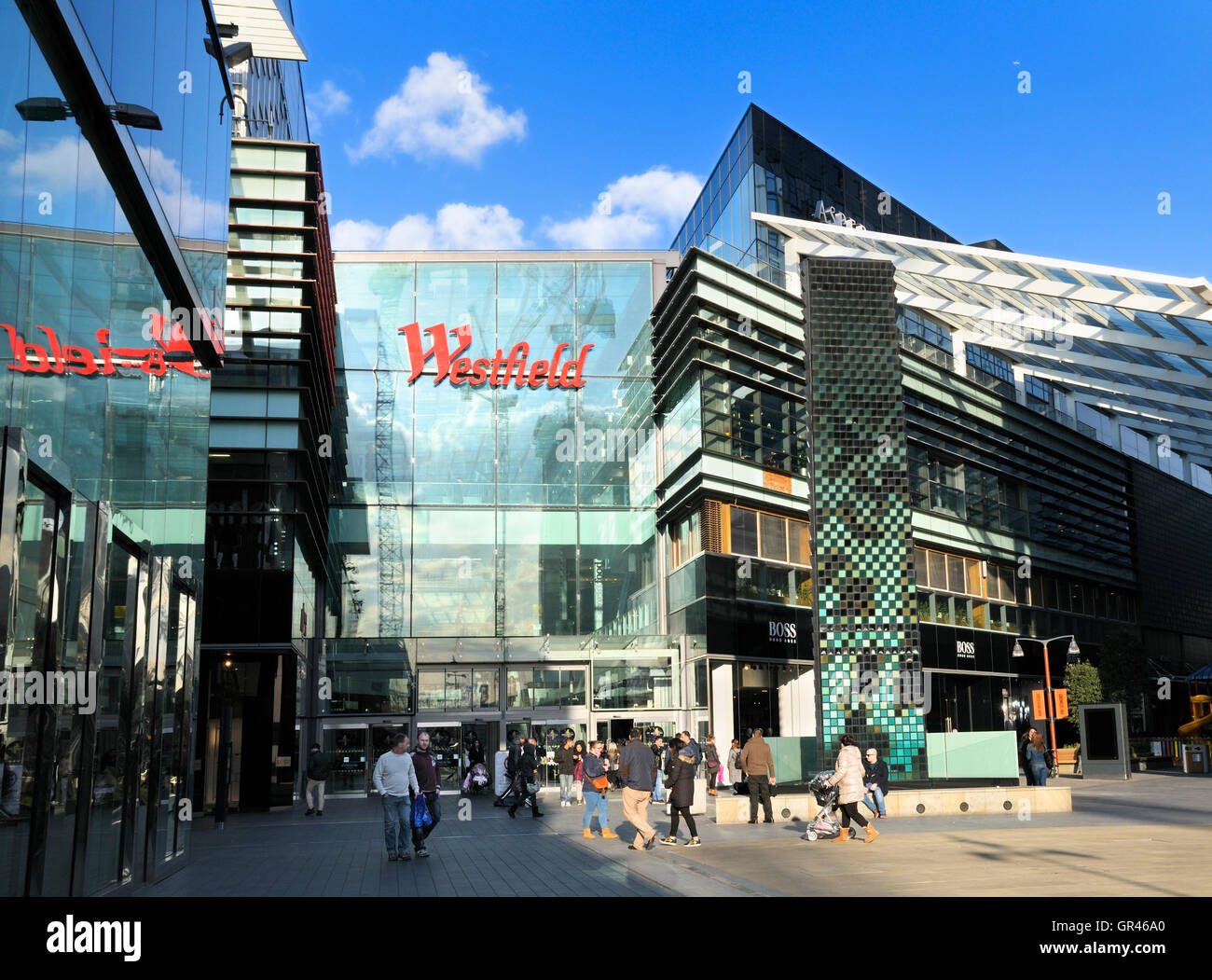
The Westfield Hamburg-Überseequartier in Germany’s HafenCity district continues to draw daily crowds following its long-awaited opening, establishing itself as a major retail, leisure, and urban mixed-use hub in northern Europe. Developed by Unibail-Rodamco-Westfield (URW), the expansive waterfront district integrates shopping, dining, entertainment, residential spaces, and office complexes along the Elbe River, transforming a former industrial port zone into a bustling city quarter.
Visitors arriving at the destination encounter a massive architectural footprint designed to blend seamlessly with Hamburg’s historic maritime surroundings. According to company project disclosures, the development spans a substantial gross leasable area and accommodates a wide variety of international brands, local boutiques, cultural venues, and cinematic experiences, making it one of the most significant urban regeneration projects in Germany in recent years.
As foot traffic remains high, city planners and commercial analysts are closely monitoring how the massive complex alters retail patterns and tourism flows within Hamburg. Below is a detailed look at what drives visitors to the HafenCity development, how the infrastructure operates, and what travelers and local residents should know before planning a visit.
Architecture and Urban Integration in HafenCity
The design of Westfield Hamburg-Überseequartier reflects a modern architectural approach aimed at connecting the historic Speicherstadt warehouse district directly with the active riverfront. According to urban planning documents published by the City of Hamburg, the development encompasses multiple interconnected blocks rather than a single enclosed shopping mall, fostering an open, neighborhood-style environment.
The layout incorporates pedestrian-friendly zones, landscaped plazas, and direct access points to public transit networks, including the local U-Bahn underground lines. Urban designers prioritized sustainability during construction, utilizing eco-efficient building standards and energy-saving systems to align with Hamburg’s municipal environmental targets. The integration of residential apartments and workspaces alongside retail corridors ensures that the district remains active beyond standard retail operating hours.
Retail Diversity and Entertainment Offerings
Shopping and leisure options form the primary draw for the thousands of daily visitors exploring the waterfront quarter. URW officials have structured the commercial mix to feature flagship stores from major global fashion labels alongside concept stores highlighting regional German designers and artisanal products.
Beyond traditional retail, the center places significant emphasis on experiential entertainment. Facilities include a state-of-the-art multiplex cinema, interactive family entertainment centers, and a diverse culinary landscape featuring waterfront dining terraces, fast-casual eateries, and upscale restaurants. According to regional tourism boards, these culinary and cultural offerings have helped position the HafenCity location as a year-round destination for both local residents and international travelers visiting northern Germany.
Economic Impact and Visitor Logistics
The launch of such a monumental commercial hub brings notable economic shifts to Hamburg’s retail sector, generating thousands of direct and indirect jobs in hospitality, facility management, and retail operations. Municipal economic development agencies note that the project enhances the city’s competitive standing as a primary European shopping and business destination.
For visitors planning a trip, accessibility is supported by comprehensive public transport links, extensive underground parking facilities, and bicycle pathways integrated into the HafenCity master plan. Transport authorities advise checking real-time transit schedules during weekends and peak holiday periods when visitor volumes reach their highest levels.
Next Steps and Official Updates
As the district continues to expand its final phases of retail and residential occupancy, management teams coordinate regularly with municipal authorities regarding public event schedules, transit optimizations, and seasonal attractions. Visitors seeking official opening hours, tenant directories, and transit advisories can consult the official Westfield Hamburg-Überseequartier portal for real-time announcements.
What are your thoughts on the new HafenCity development? Have you explored the waterfront shops and dining venues yet? Share your experiences and join the discussion in the comments below.
Related reading