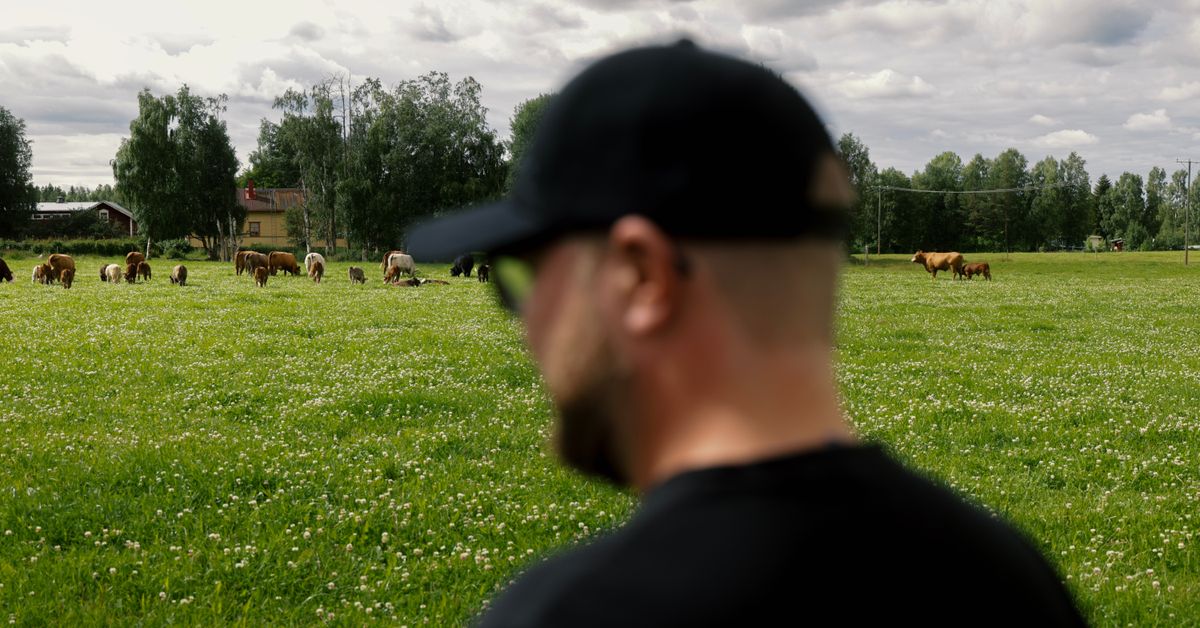
The practice of leasing agricultural land and established farm enterprises is gaining momentum across the agricultural sector, offering new entrants a viable pathway to farm ownership and management without requiring immense initial capital. This operational shift has placed a spotlight on distinct properties coming to market, such as a comprehensive farm enterprise package in Utajärvi, Finland, featuring expansive acreage and active livestock production.
According to regional real estate and agricultural market observers, leasing arrangements allow prospective farmers to bypass the prohibitive upfront costs traditionally associated with purchasing land, machinery, and livestock outright. By securing a lease on a turnkey operation, tenants can begin production immediately, managing existing infrastructure and established herds while building the financial capital necessary for long-term land acquisition.
Agricultural leasing trends reflect a broader restructuring within the Nordic farming economy, where retiring generational farmers often seek reliable operators to maintain land productivity without selling their holdings. For rural communities, keeping these farms operational preserves local agricultural supply chains and sustains employment in primary production sectors.
The Economics of Farm Leasing Without Capital Barriers
Entering the agricultural sector as an independent producer typically demands substantial capital investment for land, tractors, storage facilities, and livestock. According to industry analyses from agricultural advisory organizations, leasing models mitigate these entry barriers by shifting capital expenditure toward operational costs like feed, fuel, and labor.
In municipalities like Utajärvi, located in the North Ostrobothnia region of Finland, property leasing encompasses not just arable acreage but integrated agricultural infrastructure. Operators taking on such leases gain immediate access to functional barns, milking or feeding systems, and established forage production fields, reducing the time lag between contract signing and revenue generation.
Financial analysts note that lease agreements often include structured options for eventual purchase, allowing tenants to establish credit histories and operational track records with local agricultural banks. This phased approach minimizes default risks for lenders while providing younger farmers a predictable pathway to ownership.
Infrastructure and Livestock Integration on Modern Leases
Properties offering a combination of extensive field areas and established livestock herds require specialized management skills. Farm leases that bundle hundreds of hectares of arable land with beef cattle or dairy herds demand careful oversight of both agronomic cycles and animal welfare standards.
According to regional agricultural extension services, successful lease operators must balance crop rotation schedules—typically involving barley, oats, or grass silage—with the nutritional requirements of the livestock inventory. This integration creates a closed-loop system where field output directly sustains the herd, lowering external feed procurement costs.
Prospective tenants evaluating comprehensive farm leases must review detailed asset inventories, including machinery maintenance records, soil fertility test results, and veterinary health histories for the livestock. Regional authorities advise parties to draft clear lease contracts that explicitly define responsibilities for structural repairs, environmental compliance, and livestock replacement rates.
Outlook for Regional Agricultural Markets
The growing popularity of farm leasing points toward continued structural evolution in rural property markets. As older generations step back from daily farming operations, the volume of available lease properties is projected to rise across Northern Europe.
Agricultural economists emphasize that municipal and national authorities will play a crucial role in monitoring lease market transparency and ensuring fair contract terms for new entrants. Stakeholders are encouraged to consult official agricultural advisory boards and rural development agencies for updated guidance on lease agreements, environmental regulations, and available support grants for beginning farmers.
Related reading