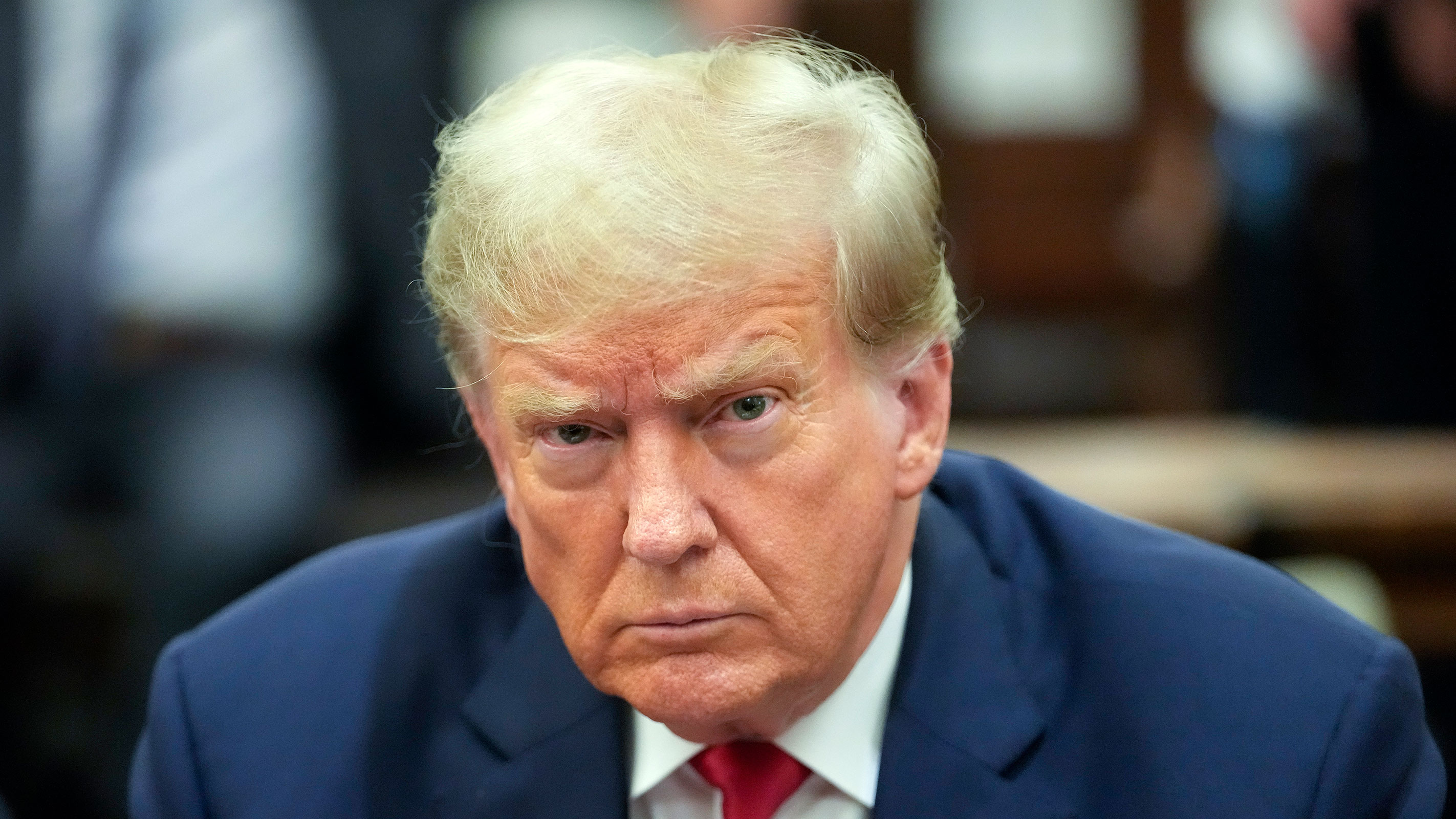
United States trade policy has entered a contentious new phase as the administration implements a sweeping series of import tariffs targeting approximately 60 trading partners, utilizing federal anti-forced labor statutes as the statutory vehicle for the duties. According to international reports, the newly announced measures impose levies reaching up to 12.5 percent on goods arriving from targeted nations, including several member states of the European Union.
The policy hinges on evaluating how individual nations address forced labor within their domestic supply chains and export sectors. Under the directives outlined by Washington, trading partners deemed non-compliant or insufficiently rigorous in stamping out coerced labor face punitive border taxes.
Observers in European policy circles have described the move as old wine in new bottles, arguing that the administration is resurrecting traditional protectionist ambitions through non-traditional legislative avenues.
Scope of the Tariffs and Affected Nations
The newly enacted measures affect roughly 60 distinct trading partners across the globe. According to announcements covered by outlets such as VRT and De Tijd, the levies scale up to a maximum of 12.5 percent. The inclusion of European Union member states has drawn criticism.
Legal Mechanisms and Global Trade Reactions
Economic Implications for Businesses and Consumers
Next Steps and Monitoring Official Guidance
Worth a look