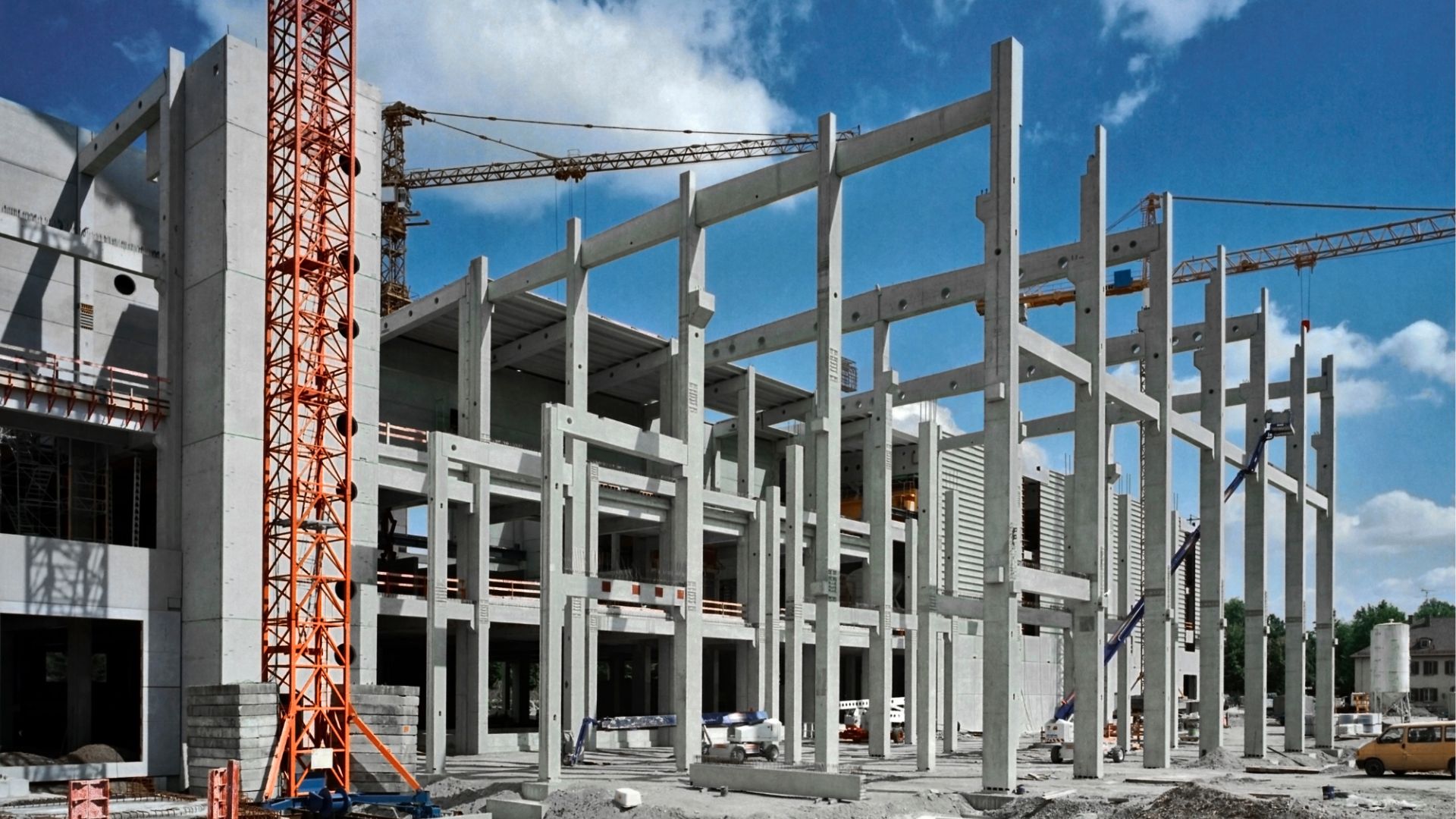
Capital Pressures Facing 2026 Healthcare Construction
Healthcare construction growth across international markets faces mounting capital pressures in 2026 as hospital networks, specialized clinics, and outpatient facilities balance rapid building timelines with tighter budgets. According to industry analyses, rising project complexity, strict infection control mandates, and increasing demand for sustainable, flexible infrastructure require healthcare organizations to implement disciplined financial planning from the initial design phase.
Navigating these financial hurdles begins long before groundbreaking, with liquidity management and equipment financing playing a decisive role in overall project stability. As facility owners contend with shifting economic conditions, capital allocation strategies—particularly for heavy construction machinery and medical equipment acquisition—frequently dictate whether a multi-million-dollar expansion stays on schedule or encounters costly delays.
Underwriting Standards and Corporate Documentation
Securing capital for modern healthcare infrastructure requires navigating a structured, multi-step underwriting process designed to evaluate borrower solvency and operational reliability. Because healthcare building projects involve compressed timelines and substantial capital outlays, lending institutions enforce rigorous evaluation standards regarding debt repayment capacity.
To expedite financing approvals, financial institutions typically require comprehensive corporate documentation. Standard underwriting packages generally include multi-year balance sheets, profit and loss statements, detailed cash flow analyses, and two to three years of corporate tax returns. Additionally, lenders evaluate associated project contracts, lease agreements, and construction timelines to verify the operational feasibility of the build.
Qualitative Assessment of Leadership and Experience
Industry stakeholders are increasingly re-evaluating how they fund capital assets. Traditional lending models sit alongside alternative acquisition methods, such as equipment leasing, giving construction firms and healthcare providers alternative pathways to manage cash flow and preserve liquidity throughout complex infrastructural overhauls.
Underwriting standards extend well beyond raw financial statements, factoring in qualitative assessments of leadership and project execution. Lenders routinely examine the creditworthiness of corporate ownership, past experience managing large-scale healthcare or commercial construction projects, executive involvement in day-to-day operations, and the clarity of overall business projections.
Leasing 100 Percent of Equipment Acquisition Costs
To avoid locking up critical reserves in outright purchases, a growing segment of healthcare construction projects relies on equipment leasing models. According to industry specialists, modern leasing agreements can finance up to 100 percent of equipment acquisition costs, encompassing associated soft expenses such as freight delivery, on-site installation, and technical operator training.
This structure minimizes large upfront capital outlays, requiring only initial commitments such as nominal documentation fees or the first and last month’s lease payments. Furthermore, leasing agreements typically align payment schedules with operational utility. Rather than incurring charges while machinery remains in transit, billing often commences upon successful delivery and installation, allowing construction firms to put the equipment to productive use before payments take full effect.
Preserving Working Capital for Unexpected Contingencies
By treating the leased machinery itself as collateral, organizations preserve working capital lines for unexpected operational contingencies. This preservation of liquidity is particularly vital in healthcare builds, where evolving regulatory mandates and specialized technological integrations can trigger mid-project adjustments.
As health systems expand distributed care models and invest in resilient, future-ready facilities, strategic alignment between project timelines and financial procurement remains essential. Industry leaders emphasize that proactive planning and transparent stakeholder communication significantly reduce project risks from the initial site excavation through final commissioning.
Organizations planning major facility updates are encouraged to consult official financial advisors, review current lending disclosures, and examine regulatory compliance standards established by municipal and national health authorities before finalizing capital commitments.
Keep reading