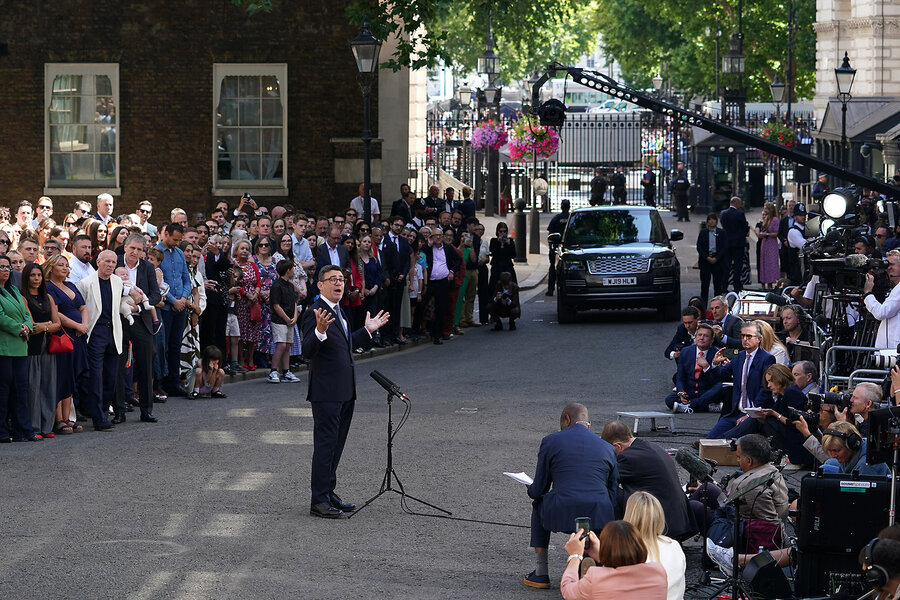
The political landscape in Britain is shifting as mounting economic pressures and a resurgence in right-wing populism test the stability of the governing Labour Party. Prime Minister Keir Starmer’s administration faces intense scrutiny across Europe, where international leaders are watching to see if mainstream governance can successfully stem the rising tide of anti-establishment politics. Amid these continental anxieties, attention has increasingly turned to prominent regional figures within Labour, including Greater Manchester Mayor Andy Burnham, whose domestic populist-leaning appeals and regional delivery model are frequently weighed as a potential alternative strategy for broader national containment.
European capitals are monitoring Westminster closely as anti-immigration and nationalist movements gain traction in opinion polls across the continent, mirroring similar frustrations in parts of the United Kingdom. According to political analysts tracking the trend, mainstream center-left parties are struggling to convince working-class constituencies that traditional institutional policies can solve chronic cost-of-living challenges. In Britain, the rise of populist alternatives has forced Downing Street to defend its domestic agenda against claims that it is moving too slowly to address regional economic disparities and public service strains.
Andy Burnham, who secured a resounding third term as Mayor of Greater Manchester in May 2024, has frequently positioned himself as a vocal champion of northern England’s economic interests. Capturing nearly 64% of the vote in his regional contest, according to official results published by the Manchester Evening News, Burnham has built a distinct political brand around devolution, public transport integration, and social welfare reform. European observers often view his style of muscular regionalism as a laboratory for how center-left politicians might rebuild trust in left-behind communities.
The Continental Stakes for Mainstream Governance
Across the English Channel, governments in France, Germany, and other European Union member states are grappling with their own electoral pressures from right-wing nationalist parties. Observers in Brussels and Berlin view the stability of the British government as a bellwether for the resilience of parliamentary democracies against populist insurgency. According to reports from Reuters, European leaders are particularly interested in how Westminster handles public discontent over immigration, housing shortages, and stagnating real wages without ceding political ground to insurgent factions.
The pressure on Prime Minister Starmer’s administration comes at a time when public sector strikes, NHS backlogs, and tight fiscal constraints limit the government’s room for immediate maneuver. Treasury officials have repeatedly emphasized fiscal discipline, a stance that has drawn criticism from both opposition parties and backbench MPs who argue that faster public investment is required to combat regional disillusionment. This tension forms the core of the debate over whether Labour’s current national strategy is robust enough to hold together a diverse electoral coalition.
Devolution as a Shield Against Populist Fragmentation
As the debate over regional inequality continues, mayors and local leaders wield considerable influence in shaping public perception of governance. Andy Burnham has leveraged his platform in Greater Manchester to press for greater devolution of powers over transport, housing, and skills training. His supporters argue that visible, localized delivery of public services offers the most effective antidote to the alienation that feeds populist sentiment.
However, translating a regional mayoralty into a national playbook remains a subject of intense debate among political strategists. While Burnham’s willingness to challenge central government policy on issues like rail franchising has earned him a distinct public profile, critics inside and outside the Labour Party question whether his localized approach can be scaled up to address complex national and international challenges. Furthermore, any national political ambitions would depend heavily on the shifting dynamics within Westminster and the electoral calculations of the central leadership.
Next Steps for Westminster and Regional Leadership
The coming months will test the resilience of Britain’s political establishment as local councils and regional authorities prepare for upcoming legislative agendas and ongoing economic evaluations. Prime Minister Starmer’s government must navigate upcoming budget statements and parliamentary votes while managing party unity. Official updates on regional devolution frameworks and economic performance indicators are expected from the Treasury and the Ministry of Housing, Communities and Local Government later this year.
As European leaders continue to observe developments in British politics, the central question remains whether mainstream parties can deliver tangible economic improvements before populist narratives take deeper root. Readers are encouraged to share their perspectives in the comments below or join the discussion on social media.
Keep reading