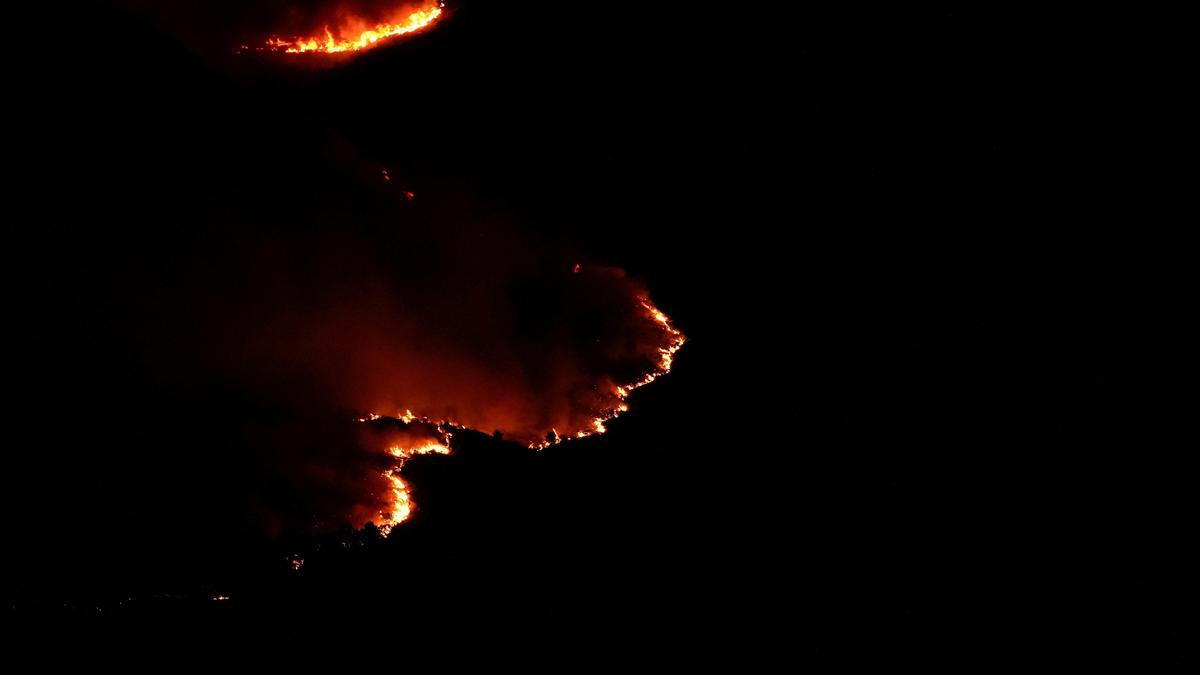
Spain declared a national emergency for the first time over wildfires on July 24, 2026, as merging blazes forced over 10,000 evacuations near Madrid. Simultaneously, France ordered the total evacuation of the tourist-heavy Cap Ferret peninsula, where tens of thousands fled by car and boat amid scorching heat.
Spain Declares Unprecedented Emergency as Blazes Converge Near Madrid
The Spanish government on Thursday (July 23, 2026) night declared a national emergency after a series of wildfires threatened communities near Madrid and in the neighbouring province of Avila, forcing more than 10,000 people to evacuate as firefighters struggled to control the blazes. The Interior Ministry said the decision was taken because of the simultaneous outbreak of several fires, adverse weather conditions and the need to mobilise extensive resources from different public administrations, increasing the complexity of firefighting. The decision allows central authorities in Madrid to coordinate emergency response efforts directly across multiple provinces as uncontrolled blazes force tens of thousands from their homes.
Wildfires fanned by scorching temperatures and strong winds swept through parts of western Europe on Friday, triggering a state of emergency in the Spanish capital region and prompting France to seek aid from the European Union. Two fires came together into one outside Madrid, and a third was on the verge of joining them, government officials noted. More than 100,000 hectares have burned in Spain so far this year, roughly equivalent to the country’s average annual burned area over the past decade.
Spanish Prime Minister Pedro Sánchez posted on X that the government has deployed every available resource to stop the terrible fires currently affecting numerous areas: Avila, Leon, Toledo, Madrid and other parts of Spain.
A view of a wildfire spreading over the Burgohondo mountains, in Avila, Spain, was documented by photographer Ana Beltran for Reuters as more than 19,000 people were ordered to evacuate from towns in the mountains west of Madrid, while other regional counts placed the evacuated total at over 10,000 people from towns in the mountains west of the capital.
Total Evacuations Ordered Along the French Atlantic Coast
In neighboring France, authorities ordered the complete evacuation of the Cap Ferret peninsula, a major tourism hotspot on the Atlantic coast. French President Emmanuel Macron confirmed that France has formally requested support through the European Union’s civil protection mechanism, warning the crisis remained “very intense.” French authorities ordered the total evacuation of the Cap Ferret peninsula, a tourism hotspot busy for the summer season, as smoke and flames drew closer to homes. About 63,000 people were told to get out, many brought to safety by boat, officials said, while other reports cited about 40,000 people had either been or were preparing to evacuate from the Cap Ferret peninsula.
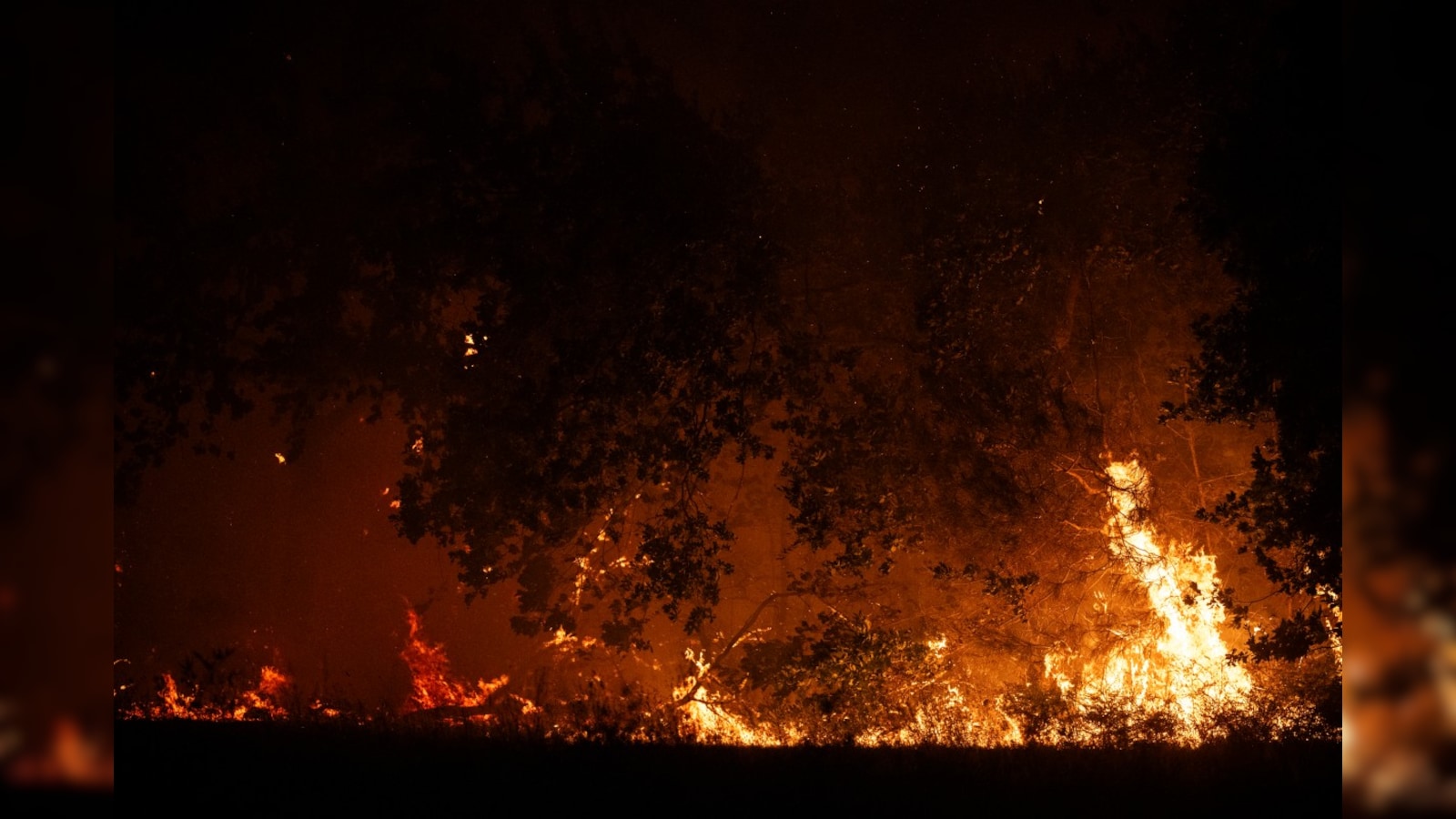
Close by, in the town of Biscarrosse, another large fire also forced residents to leave their homes. A fire that began in Saumos, north of Cap Ferret, has so far consumed around 10,000 hectares – roughly one and a half the size of Manhattan – with water-bombing planes deployed in a bid to keep the infernos under control. French authorities have ordered thousands of tourists on the southwestern Atlantic coast out of campsites and holiday homes, as firefighters backed by water-bombing planes raced to control the blazes.
European Union Mobilizes Cross-Border Support and Record Blazes
The total area of land burnt so far this year in EU countries is the second largest on record, according to satellite data from the European Forest Fire Information System (EFFIS). Across southern Europe, three firefighters have been killed as the region endures more severe heat, with temperatures topping 40 degrees Celsius (104 degrees Fahrenheit) forecast in some areas. So far in 2026, wildfires have burnt more land in Europe than the annual average over the past two decades. Climate change is making extreme weather events, such as heatwaves and the forest fires that ensue, more frequent and more severe, according to ongoing reporting. NAVALUENGA, Spain and LEGE-CAP-FERRET, France served as the primary reporting hubs for Reuters as these events unfolded on Friday, July 24.
