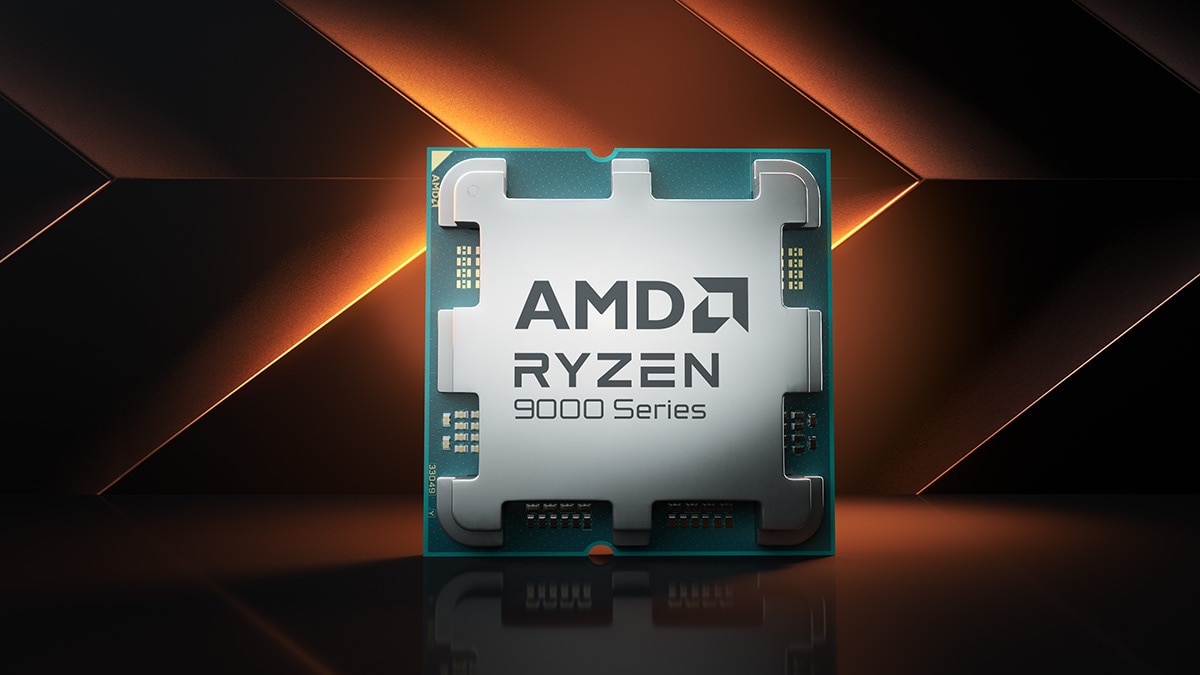
The AMD Kria AI robotics platform centers on the Ryzen AI Embedded X100 series, packing a comprehensive processing suite into a compact 120 x 120mm COM-HPC form factor. Designed for industrial edge computing, the system integrates a multi-core CPU, high-performance GPU, dedicated neural processing unit (NPU), and unified memory onto a single board to handle demanding artificial intelligence workloads directly on hardware.
Edge robotics applications often struggle with space constraints and high power consumption, requiring dense hardware architectures that can process complex neural networks without relying heavily on cloud connectivity. By utilizing the Ryzen AI Embedded X100 series, this platform aims to deliver substantial local computing power while maintaining a small physical footprint suited for modern automated systems, autonomous mobile robots, and smart factory equipment.
Architectural Overview of the Ryzen AI Embedded X100 Series
At the core of the AMD Kria AI robotics platform is the Ryzen AI Embedded X100 architecture, which combines compute engines to streamline data processing. The inclusion of an integrated NPU allows developers to run machine learning models efficiently, offloading inference tasks from the main processing units. This hardware arrangement supports real-time computer vision, sensor fusion, and autonomous navigation tasks essential for advanced robotics deployments.
The 120 x 120mm COM-HPC client and server module standard provides a standardized footprint that facilitates modular design and system scalability. Hardware engineers can integrate the board into various industrial chassis or custom carrier cards, simplifying thermal management and high-speed interface routing. Unified memory architecture further reduces data bottlenecks by allowing the CPU, GPU, and NPU to access shared data pools without redundant copying steps.
Industrial Applications and Edge Computing Impact
Deploying artificial intelligence at the edge demands hardware capable of operating reliably in diverse environmental conditions while executing low-latency decision-making routines. The Kria platform targets sectors such as warehouse automation, medical imaging, and smart infrastructure, where downtime is costly and rapid response times are mandatory. Localized AI processing ensures that critical control loops remain operational even if network connectivity drops.
System integrators benefit from standardized evaluation kits and software development stacks that support popular machine learning frameworks. This ecosystem access helps reduce time-to-market for original equipment manufacturers developing next-generation robotic systems. As edge AI requirements evolve, modular platforms like this provide a upgrade path for hardware configurations without necessitating complete redesigns of host machinery.
Outlook and Development Milestones
Hardware developers and industrial partners continue to test the limits of COM-HPC form factors in demanding deployment scenarios. As AMD and its ecosystem partners roll out further documentation and development tools for the Ryzen AI Embedded X100 series, engineering teams are evaluating power efficiency benchmarks and thermal performance under sustained workloads. Official product availability, developer kits, and technical documentation updates can be tracked directly through the Advanced Micro Devices official website.
We welcome your thoughts on industrial edge computing and modular robotics architectures. Please share your feedback or join the discussion in the comments section below.