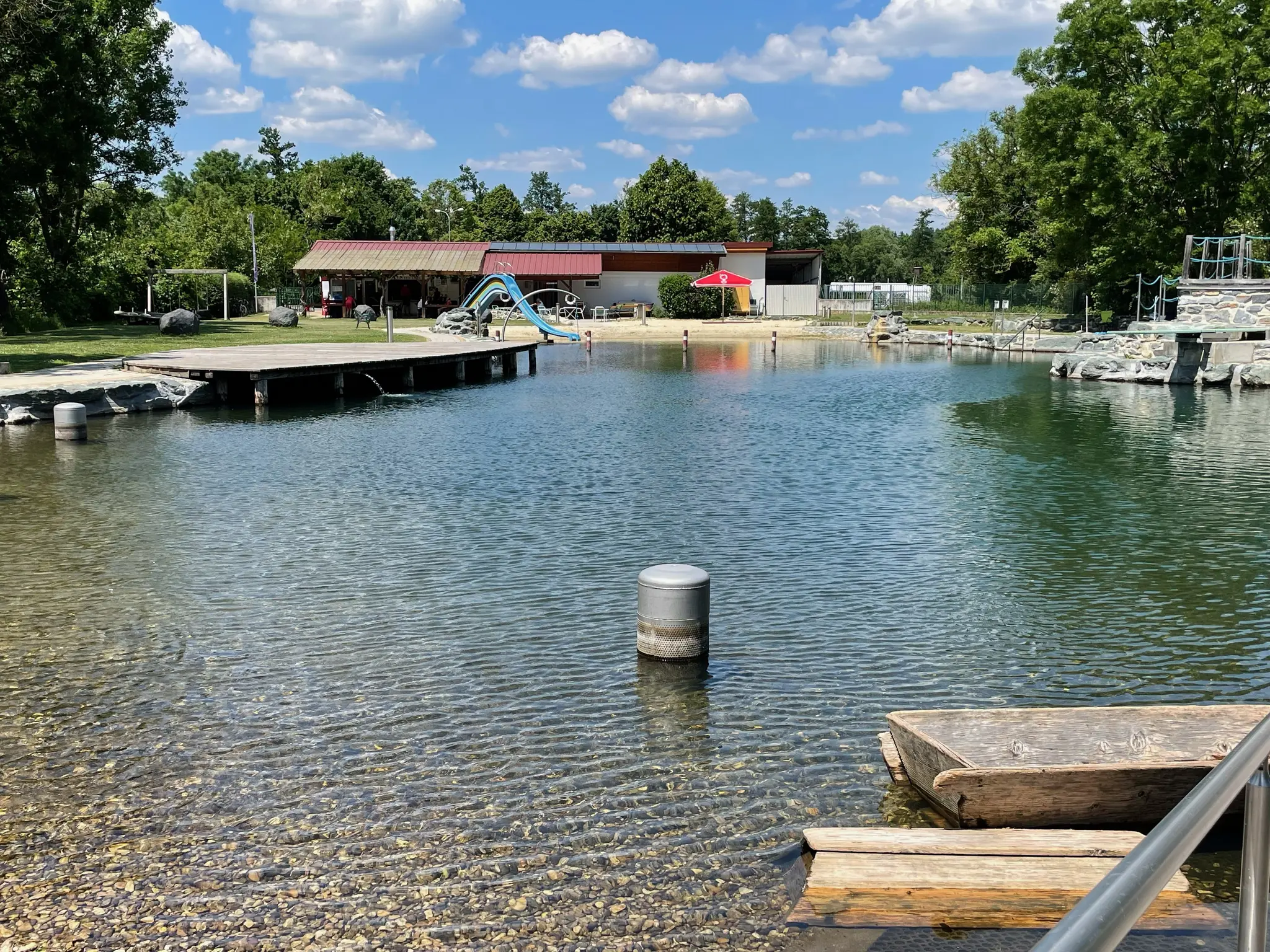
Local authorities in Austria’s Burgenland region have issued an immediate bathing ban for the natural swimming lake in Markt St. Martin following heavy storms, according to recent municipal and regional reports. Routine water quality checks detected elevated levels of Escherichia coli bacteria in the Mittelburgenland recreation area, prompting local officials to close the site to the public to safeguard health.
The sudden closure affects residents and seasonal visitors who rely on the local swimming infrastructure during warm weather spells. Environmental health agencies across the region monitor natural bodies of water closely, particularly after severe weather events wash agricultural runoff and organic debris into recreational ponds. Municipal representatives confirmed that the swimming prohibition will remain in place until subsequent laboratory water analyses confirm that bacterial concentrations have returned to safe regulatory limits.
Similar administrative closures were implemented at other regional recreational sites, including the swimming pond in St. Margarethen, following the same severe weather systems that impacted Burgenland. Regional health authorities coordinate these precautionary measures to prevent waterborne illnesses associated with bacterial contamination. Local administrations have urged the public to respect the posted warning signs and avoid entering the water until official clearance is given.
Understanding E. Coli Contamination in Natural Lakes
Escherichia coli bacteria naturally inhabit the intestinal tracts of humans and warm-blooded animals. When heavy rainfall and thunderstorms occur, surface runoff can sweep animal waste and soil contaminants into open water bodies like the natural swimming lake in Markt St. Martin. High concentrations of these bacteria serve as an indicator of fecal pollution, which poses potential health risks to swimmers, including gastrointestinal illness, skin irritations, and infections of the eyes, ears, or throat.
Public health experts explain that shallow natural ponds and lakes are particularly vulnerable to sudden shifts in water quality following extreme weather. Unlike heavily treated municipal swimming pools, natural bathing areas rely on ecological balance and regular monitoring by district authorities. When heavy downpours disrupt this balance, authorities step in with temporary bans until natural filtration and disinfection processes restore safety.
Official Response and Monitoring Protocols
The municipal administration of Markt St. Martin, working alongside district health inspectors from the Burgenland provincial government, has taken swift action to restrict public access. Water samples are collected at designated intervals and sent to certified laboratories for microbiological testing. Officials have stated that public notification boards surrounding the lake have been updated to inform visitors of the active prohibition.
Affected community members and tourists seeking alternative recreational options are advised to check local municipal portals for real-time updates regarding water testing results. Authorities have not yet specified an exact date for the reopening of the Markt St. Martin swimming lake, as lifting the ban depends entirely on upcoming laboratory findings.
Next Steps and Public Safety Guidance
The municipal administration of Markt St. Martin will publish updated water quality test results as soon as new laboratory data becomes available from regional health authorities. Visitors are strongly advised to check official municipal announcements before planning trips to the Mittelburgenland recreational site.
We welcome your thoughts on local infrastructure safety and environmental monitoring. Please share your perspective or report community updates in the comments below.
Worth a look