
Following leaked transcripts containing controversial remarks, the federal executive board of the Austrian People’s Party unanimously voted on Friday, July 24, 2026, to expel Vienna Chamber of Commerce President Walter Ruck from the party, though Ruck vowed to retain his chamber and economic wing offices.
Unanimous Expulsion Vote by the Federal Executive Board
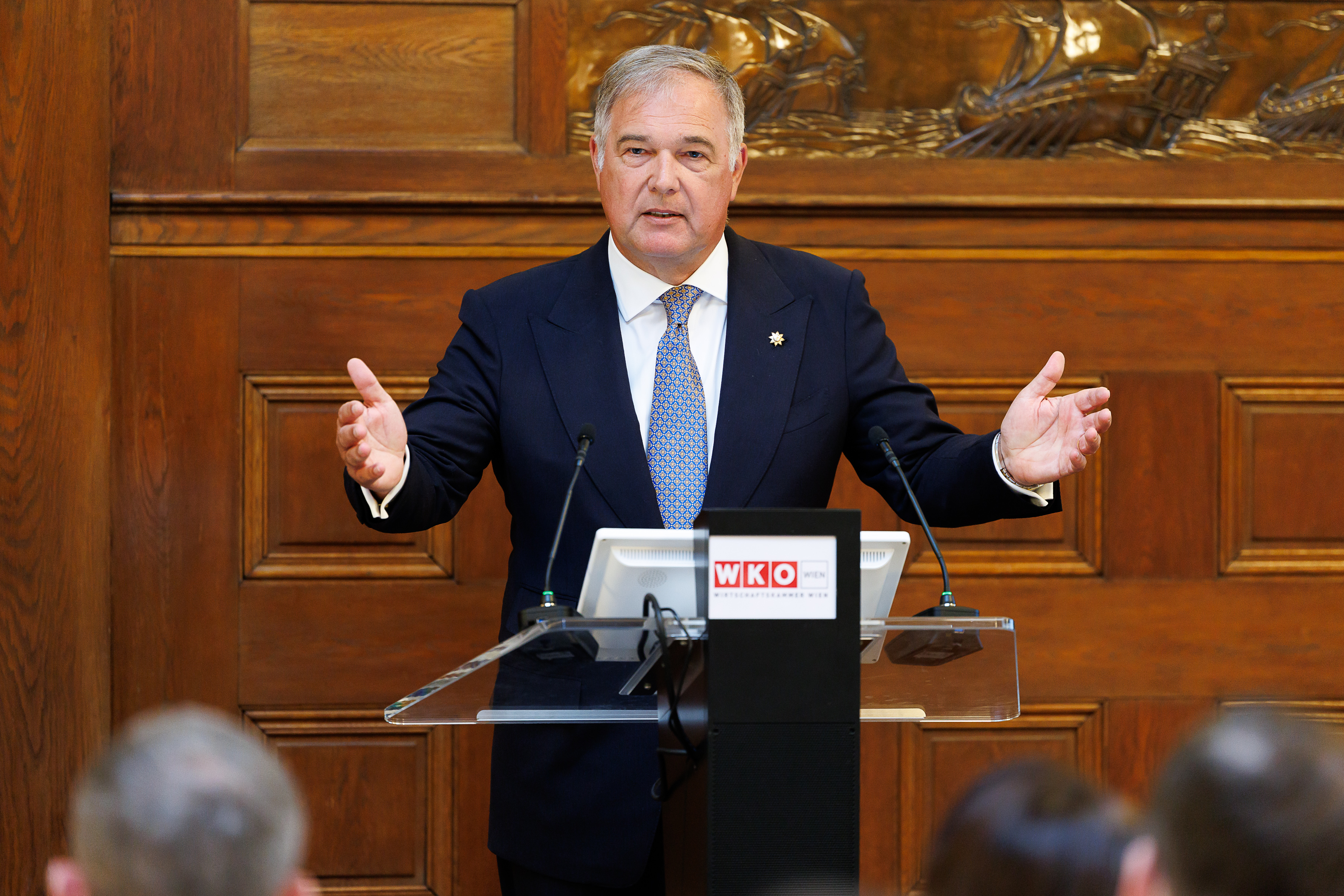
The Austrian People’s Party (ÖVP) moved swiftly on Friday evening, July 24, 2026, when its federal executive board voted unanimously to expel Walter Ruck from the party. The decision arrived just hours after the party’s ethics council formally recommended his expulsion. According to an official statement released by the party, the decision followed Ruck’s refusal to cooperate with internal investigations or adequately address public expectations regarding the leaked audio recordings.
The ÖVP leadership condemned the clandestine recording of private conversations as a blatant breach of good, trusting cooperation, while noting that affected individuals should pursue legal avenues regarding the recordings. Nevertheless, the party emphasized that the public rightly expected accountability, an apology, or the relinquishment of functions from Ruck, none of which materialized.
Leaked Protocols and Internal Party Rebellions
The crisis surrounding the Vienna Chamber of Commerce President unfolded in waves following the publication of confidential transcripts that revealed disparaging remarks about political competitors, industry representatives, and women. Senior party figures across Austria quickly distanced themselves from the fallout.
Salzburg Governor Karoline Edtstadler called publicly for Ruck’s resignation during an appearance on the Ö1-Mittagsjournal, stating that the recorded remarks had nichts verloren
in 21st-century Austrian politics. Seniority League President Ingrid Korosec supported a party exclusion under the condition that the transcripts proved accurate, noting that the rhetoric regarding women belonged 200 Jahre zurück
—some two hundred years in the past. Vorarlberg Governor Markus Wallner similarly warned that the scandal was inflicting tangible damage on the broader Volkspartei.
Divergent Responses from Political Allies and Opponents
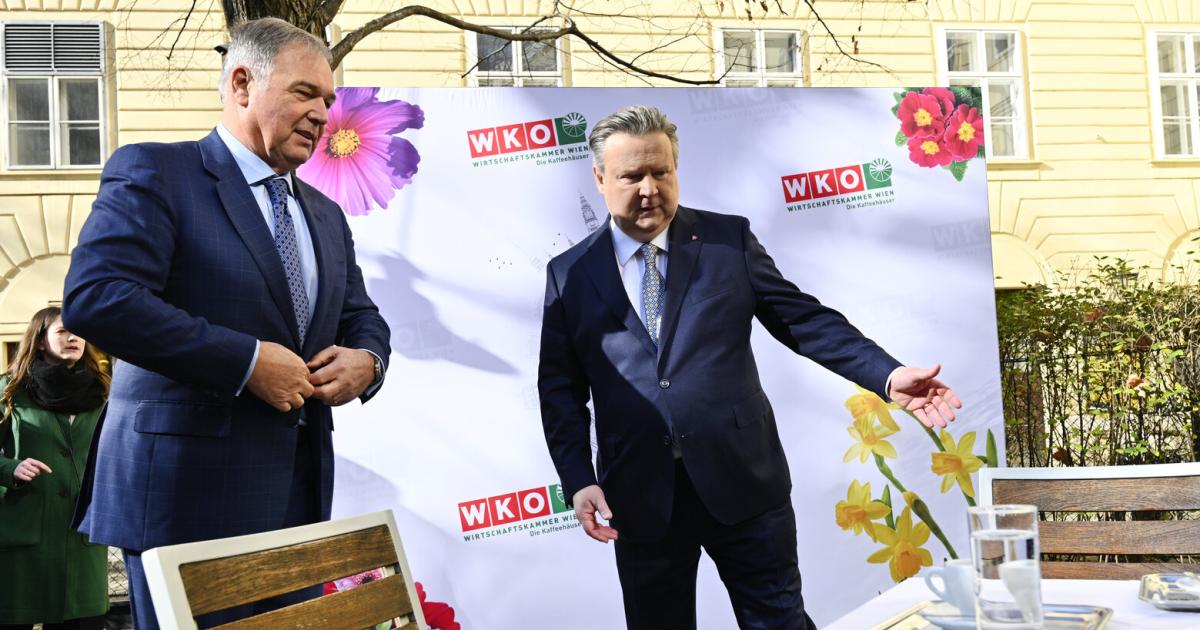
While federal and provincial ÖVP leaders turned against the embattled chamber head, Vienna Mayor Michael Ludwig (SPÖ) maintained a contrasting stance. Ludwig provided critical political backing to Ruck through a joint media appearance, drawing sharp internal criticism from his own party ranks. Critics within the Social Democratic Party, including Women’s Minister Eva-Maria Holzleitner, questioned why the city leader defended an official from a rival political camp while ignoring broader concerns regarding antiquated viewpoints.
Simultaneously, coalition friction within the Vienna Chamber of Commerce (WKW) added further pressure. Marko Fischer, the provincial president of the Social Democratic Economic Association (SWV) and a vice president of the WKW, criticized the electoral pacts that historically bound the Vienna Economic Board and the SWV, alleging that backroom arrangements cost his faction approximately 200.000 euros annually.
Chamber Leadership Retained Despite Party Ouster
Despite losing his party membership, Walter Ruck indicated that he intends to hold onto his institutional posts. In a late-night response reported by Heute, Ruck confirmed that he and his legal advisors would examine options to appeal the federal board’s decision. He maintained that his roles as chairman of the Vienna Economic Board and president of the Vienna Chamber of Commerce remain entirely separate from party membership.
Ruck asserted that he would continue to serve the local business community with full dedication, leaving open whether mounting pressure from federal officials and coalition partners will ultimately force a broader institutional exit from the chamber offices.
Related reading