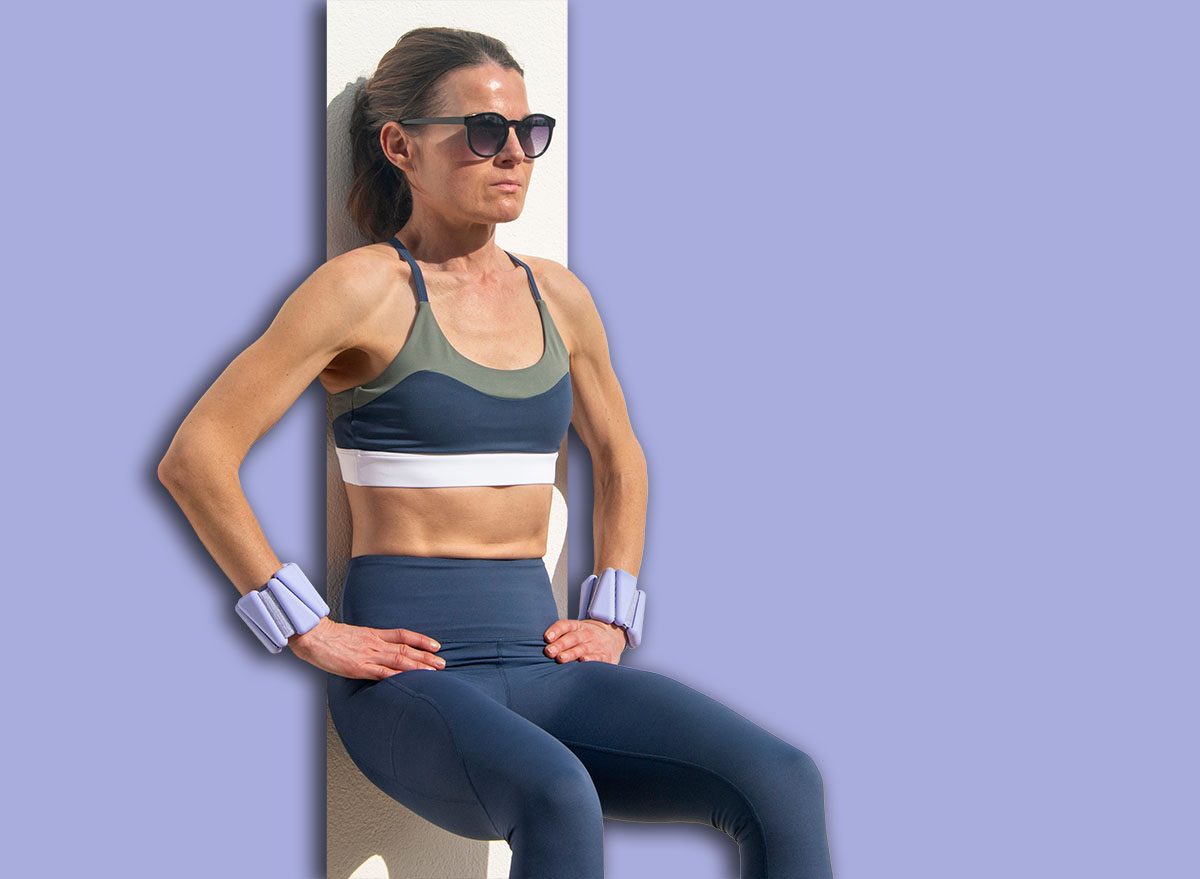
Maintaining high-level leg endurance and stability after age 60 relies heavily on a simple isometric exercise: the wall sit. According to fitness experts and health researchers, the ability to sustain a proper wall sit for an extended duration serves as an effective indicator of lower-body power and functional capacity.
As we age, preserving muscle strength in the quadriceps and glutes becomes vital for routine physical tasks such as standing up from a chair, climbing stairs, and navigating uneven terrain. Recent scientific literature underscores the connection between lower-body strength and overall mobility. For instance, a study published in Gerontology noted that leg power is a strong predictor of cognitive ageing after ten years in older female twins (Steves et al., 2016).
Unlike dynamic movements that rely on momentum, the wall sit requires the lower body to generate and maintain continuous isometric force. This constant tension challenges the quadriceps, glutes, and hips, fostering the kind of muscular endurance needed for daily independence and athletic movement alike.
Why Lower-Body Endurance Matters After 60
Lower-body power starts with the ability to produce force. Wall sits train the quads and glutes in joint angles that closely mirror everyday activities. When an individual lowers into a chair or steps down a flight of stairs, the knee and hip joints experience similar mechanical demands to those found in a wall sit.
During a properly executed wall sit, the quadriceps must contract continuously to support the knee joint, while the glutes help stabilize the hips and keep the pelvis from shifting. This sustained effort reinforces proper alignment across the hips, knees, and ankles. Building this foundational capacity ensures that when older adults encounter steps, inclines, or long periods of standing, their lower limbs possess the structural resilience and endurance required to move with confidence and control.
How to Perform a Proper Wall Sit
Achieving accurate results from a wall sit test begins with proper form. The movement standard requires the practitioner’s back to remain against the wall, feet positioned about two feet forward, and knees stacked over the ankles. The descent should continue until the thighs are roughly parallel to the floor, while maintaining steady breathing and a braced core.
For individuals building up to this standard, practitioners often recommend starting at a slightly higher position before gradually working down toward that depth. Variations like high wall sits, weighted holds, or single-leg progressions offer advanced challenges once the baseline position is mastered.
Evaluating Your Score: What Wall Sit Times Indicate
Testing lower-body endurance through a timed wall sit provides clear insight into functional fitness. Fitness professionals categorize performance scores based on the duration of a clean, uninterrupted hold:
Under 20 seconds: Building Your Base. This serves as an initial entry point for learning how to hold tension through the legs. Shorter, consistent holds performed a few times per week help establish foundational endurance.
20 to 45 seconds: A Solid Everyday Foundation. At this level, the leg muscles demonstrate reliable control, supporting daily activities like walking, stair climbing, and rising from chairs.
45 to 75 seconds: Strong Leg Endurance. This duration reflects well-developed muscle stamina and solid hip-and-knee stability, allowing the lower body to manage fatigue effectively during prolonged tasks.
75+ seconds: Top-Tier Lower-Body Power and Control. Reaching this threshold indicates exceptional lower-body endurance and joint stability after age 60, providing a robust physical base for demanding activities and athletic movement.
Building Leg Strength and Enhancing Endurance Safely
Improving wall sit performance requires a balanced approach incorporating strength, time under tension, and regular practice. Experts recommend practicing wall sits two to three times weekly, ensuring sufficient rest between sets to preserve optimal form. Practitioners can systematically increase difficulty by adding five to 10 seconds to their hold times once a given duration feels steady from start to finish.
To complement isometric endurance work, fitness routines should also integrate full-range movements such as bodyweight, goblet, or box squats, step-ups to target practical leg strength, and direct glute activation exercises like bridges, hip thrusts, and split squats. Maintaining joint mobility in the ankles and hips further ensures smooth execution during loaded holds. Retesting every few weeks under identical setup conditions allows individuals to accurately track their functional progress.
As fitness and medical communities continue to study the impacts of functional strength exercises on longevity, maintaining lower-body power remains a cornerstone of healthy aging. Readers interested in personalized fitness evaluations or structured physical activity programs are encouraged to consult qualified healthcare providers or certified physical therapists for guidance tailored to their individual health profiles.
Keep reading