Rare Byzantine Tomb Unearthed Near the Temple of Artemis
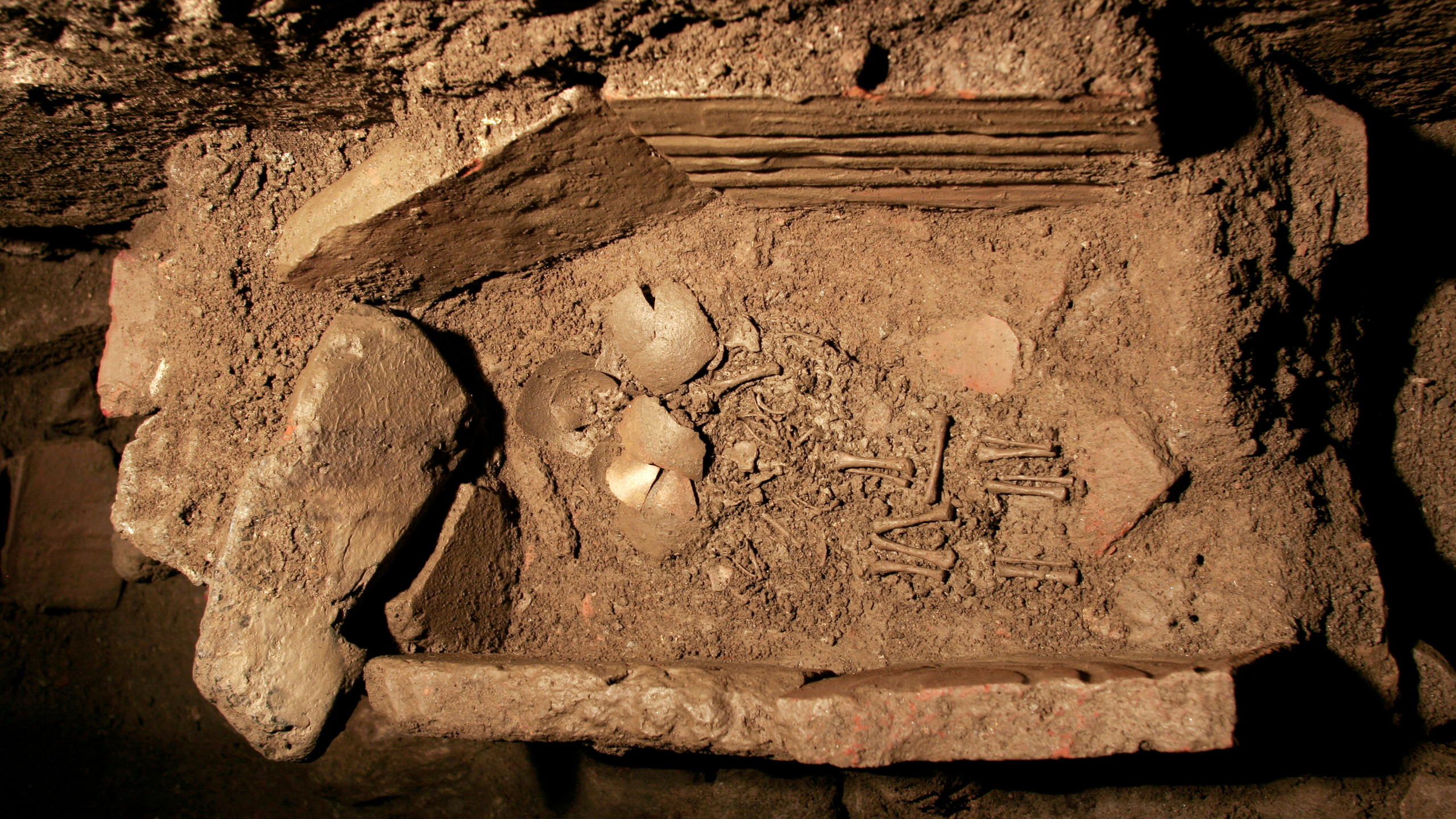
Archaeologists digging near the famous Temple of Artemis at Ephesus in Turkey have uncovered a rare 1,200-year-old tomb. Inside lie the remains of premature twins.
One infant displayed an unusual anatomical variation. Published online July 13 in the journal Childhood in the Past, the study places the infant burial within an abandoned latrine channel. This channel was once part of a Roman performance hall inside the sacred precinct of the ancient wonder.
Researchers from the Austrian Academy of Sciences analyzed the bones found inside the stone-lined cist grave, dating back to the eighth or ninth century during the middle Byzantine era.
Caroline Partiot, a bioarchaeologist and study co-author at the institution, stated that the infants were likely born prematurely at approximately 33 to 34 gestational weeks. Full-term human pregnancies typically span between 39 and 40 weeks, placing these infants at roughly 7.5 months in utero. The pairing of premature twins presents an unusual archaeological find.
It is complicated further by the identification of a supernumerary cervical rib in one of the skeletons.
Reusing Roman Infrastructure in a Sacred Precinct
“This interment was made in an unexpected and exceptional setting,” Lilli Zabrana told Live Science. She is an archaeologist at the Austrian Academy of Sciences and co-author of the study.
Unlike previous discoveries at Ephesus that occupied dedicated cemeteries outside the sacred sanctuary boundaries, this resting place utilized infrastructure originally constructed during the Roman period. The tomb was built directly inside an abandoned latrine channel established during the second or third century.
That latrine represented a later structural addition to a Roman odeum—a covered venue used for musical performances—erected during the first century within the sacred area of the Temple of Artemis. The original temple, recognized as one of the Seven Wonders of the Ancient World, dated back to approximately 550 B.C.
When researchers opened the stone-lined cist, they found the two tiny skeletons resting side by side in direct contact. The shared age at death and close physical placement form the basis for the hypothesis that the infants were twins. However, definitive confirmation awaits future DNA analyses, as Partiot noted.
Unprecedented Anatomical Findings and Burial Customs
The excavation revealed no evidence of skeletal trauma or disease.
Still, examination of the bones uncovered a supernumerary cervical rib. This hereditary trait involves an extra rib bone forming at the back of the neck. It occurs in roughly 1% of the modern human population without typically causing health complications.
However, Partiot’s broader research indicates an association in infants between cervical ribs and anomalies in Hox genes. These regulatory genes are responsible for body patterning during embryonic development, which can correlate with prematurity, stillbirth, or sudden infant death.
“To the best of our knowledge, no cases of twins with cervical ribs have been documented in an archaeological context,” the study authors wrote.
Religious and cultural practices of the era likely drove the choice of a non-traditional burial location. Because the premature infants probably died before baptism, burying them outside consecrated church cemeteries represented a practical compromise between Christian burial rules and local community customs, the researchers proposed.
Shedding Light on Byzantine Infant Mortality
Investigators found no traces of the infants’ mother in the immediate vicinity or within the broader Ephesus cemetery grounds.
High rates of both infant and maternal mortality characterized the middle Byzantine period. This makes it difficult to determine whether the mother survived the birth.
Despite the unusual grave site inside a decommissioned drainage and sanitation channel, the protective stone construction successfully safeguarded the fragile remains for over a millennium. Zabrana noted that the careful construction clearly indicates a respectful interment rather than a casual disposal of human remains.
Ultimately, the discovery points to a family’s deliberate effort to care for their infants in death and formally acknowledge their brief presence within the community.
The research team continues to evaluate data from the Ephesus excavations to better understand burial customs and health conditions during the Byzantine era. Official updates regarding ongoing archaeological work at the site are published periodically through academic journals and institutional announcements by participating research organizations.
Keep reading