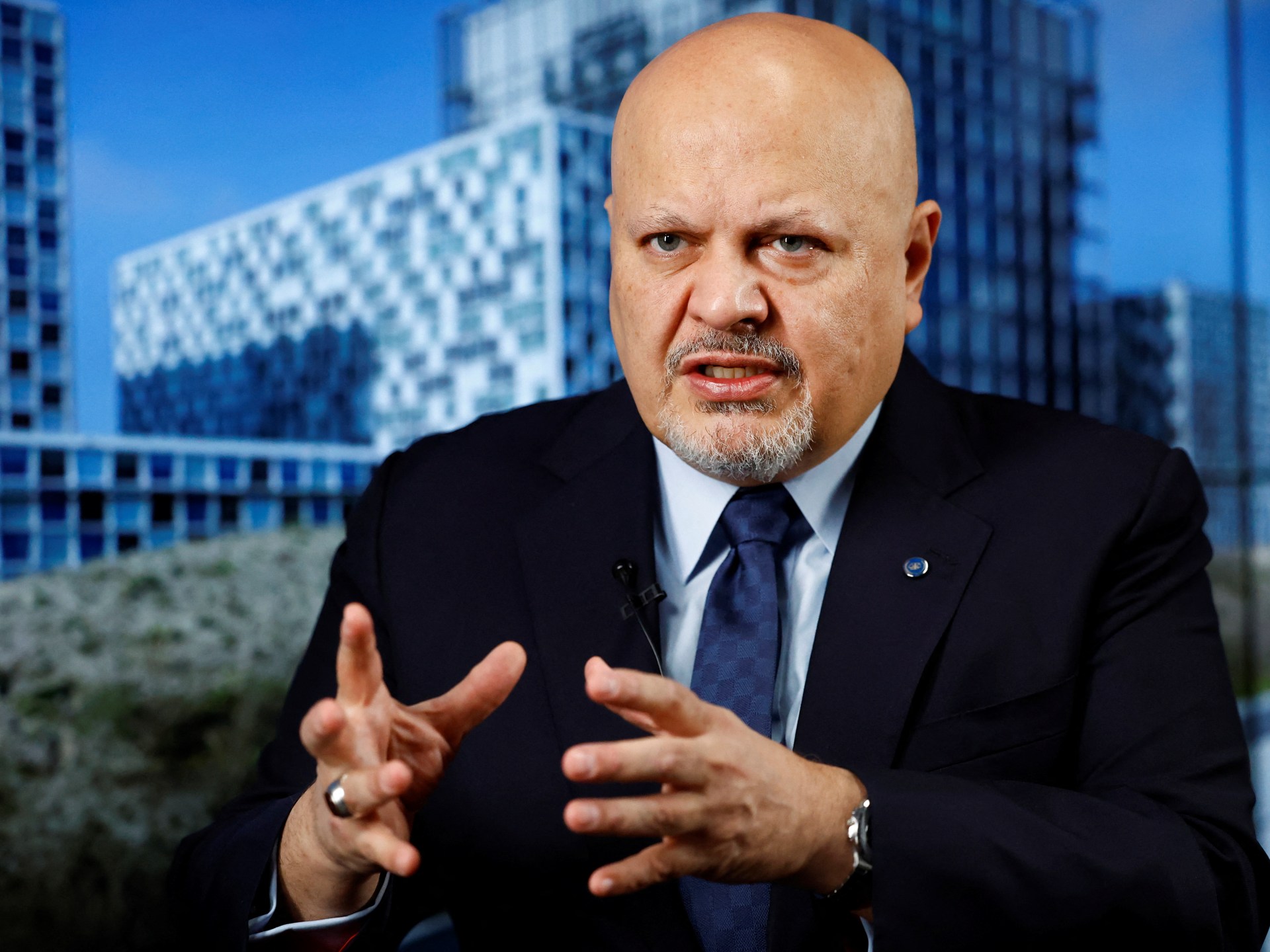
International Criminal Court member states voted 82 to 13 on Friday to dismiss chief prosecutor Karim Khan following sexual misconduct allegations.
The closed-door secret ballot at the United Nations headquarters in New York concluded a protracted disciplinary process that began after allegations of sexual misconduct emerged against the British barrister in 2024.
Out of 125 member states, 82 voted in favor of the dismissal, surpassing the absolute majority threshold required for removal. Thirteen countries voted against the ouster, and 15 abstained, according to diplomatic sources.
The Disciplinary Findings and Due Process Debate
The Assembly of States Parties acted on findings from its executive committee, which concluded last month that Khan committed serious misconduct and a serious breach of duty
by engaging in an improper sexual relationship with a junior ICC staff member and attempting to prevent her from pursuing her complaint. Päivi Kaukoranta, president of the Assembly of States Parties, stated that the governing body fully respected
due process and that an investigation by the United Nations Office of Internal Oversight Services supported the allegations.
Khan’s legal team fiercely contested the proceedings. Tayab Ali, head of Khan’s defense counsel, noted that an independent judicial panel had previously determined that the UN oversight findings did not establish misconduct or breach of duty by Mr Khan under the relevant legal framework
.
“Mr Khan’s removal was determined by a process in which he was never given a fair opportunity to be heard, and in defiance of the conclusions of the independent judges who examined the full evidential record.”
Tayab Ali, Legal Counsel to Karim Khan
Ali added that Khan intends to challenge the lawfulness and fairness of the decision through all available legal mechanisms.
Geopolitical Fallout and the War Crimes Investigations
The dismissal arrives amid intense political pressure on the court from major global powers. In 2024, Khan sought arrest warrants for Israeli Prime Minister Benjamin Netanyahu and then-Defense Minister Yoav Gallant, alongside top Hamas leaders, over alleged war crimes in Gaza. Those high-profile actions drew fierce retaliation from Washington and Jerusalem, including U.S. sanctions on Khan and several ICC officials.

U.S.
However, legal experts and court officials emphasize that the arrest warrants issued by ICC judges remain entirely unaffected by Khan’s removal and can only be withdrawn by the judges themselves.
Next Steps for the Global War Crimes Tribunal
Following the vote, the ICC announced that the prosecution office will be led by deputy prosecutors Nazhat Shameen Khan and Mame Mandiaye Niang, who have been managing operations since Khan stepped aside pending the disciplinary outcome. Member states must now organize an election for a permanent successor, a process expected to take place next year.
As the court prepares to select a new leader, it faces deep internal divisions and an aggressive U.S. campaign aimed at dismantling its capacity to prosecute international atrocities.
Worth a look