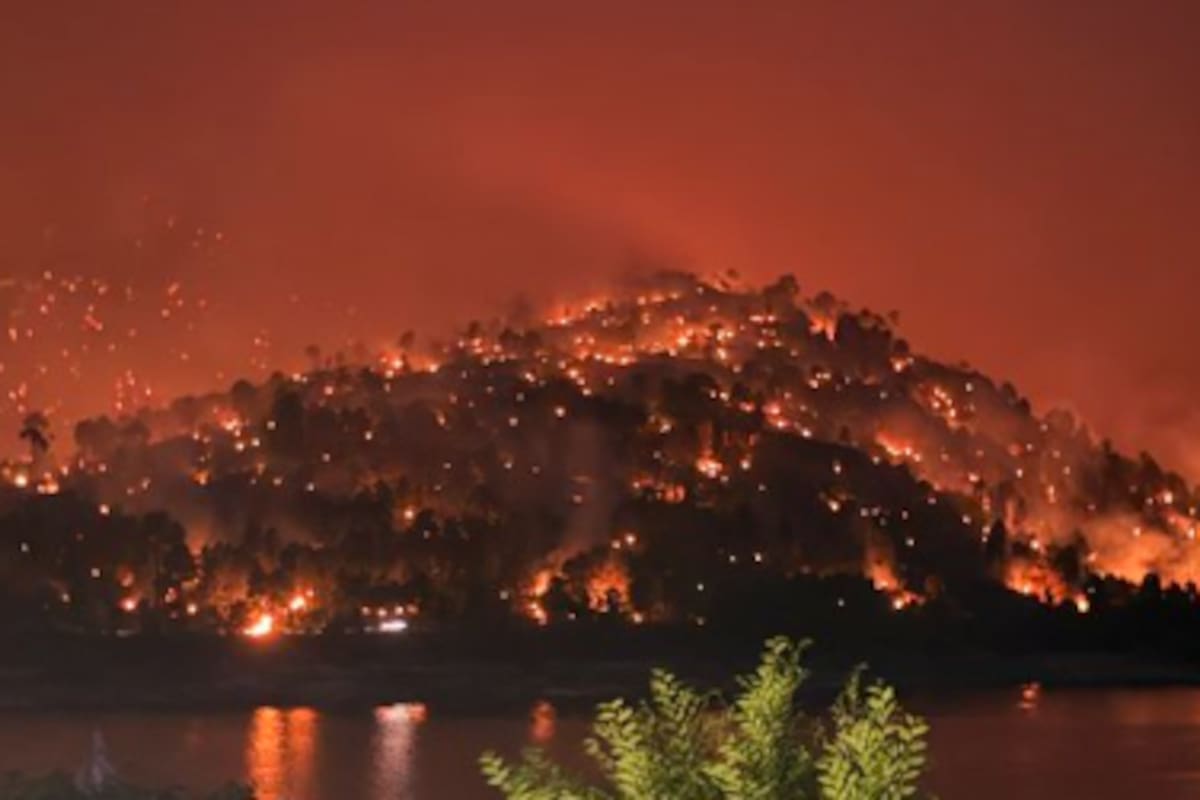
Massive wildfires in central Spain have forced the evacuation of more than 150,000 people across the Madrid and Guadalajara regions, according to reports from La Nación and BBC. The blazes, described by some officials as the worst in Madrid’s history, have triggered widespread closures of critical infrastructure and emergency alerts as fire crews struggle to contain the perimeter.
The scale of the disaster has disrupted transportation networks, with Infobae reporting the closure of 35 roads across Spain, particularly affecting routes connecting Madrid, Ávila, and Guadalajara. Emergency services have deployed thousands of personnel and aerial assets to combat the flames, which have been exacerbated by extreme weather conditions and dry vegetation.
Evacuations and Emergency Response in Madrid and Guadalajara
The evacuation of over 150,000 residents represents one of the largest displacement efforts in the region’s recent history. According to La Nación, the decision to clear these areas was driven by the rapid speed of the fire’s advance and the immediate threat to residential clusters. Local authorities established emergency shelters and coordinated evacuation routes to move citizens away from the path of the flames.
The BBC reports that the intensity of the fires has led some to characterize the event as the worst wildfire ever recorded in Madrid. The lack of control over several fire fronts forced emergency teams to prioritize life-saving evacuations over property protection in the most volatile sectors. This strategy was implemented as the fires jumped containment lines and moved toward densely populated rural and peri-urban zones.
Infrastructure Collapse and Road Closures
Transportation in central Spain has been severely hampered by the fires. Infobae reports that 35 roads have been shut down to ensure public safety and provide clear access for emergency vehicles. The most critical closures have been noted in the provinces of Madrid and Ávila, though the situation in Guadalajara has been described as particularly severe.
These closures have created significant bottlenecks for those attempting to evacuate and for logistics teams delivering water and firefighting equipment.
Environmental Impact and Air Quality
Beyond the immediate destruction of forests and homes, the fires have caused a significant decline in air quality across central Spain. OkDiario reports that real-time monitoring of air quality has shown spikes in particulate matter, affecting not only those near the fire lines but also residents in the city of Madrid due to wind patterns carrying smoke and ash.
The long-term ecological damage is currently being assessed. El País notes that the aftermath of the fires—specifically the period after the embers are extinguished—will require extensive soil stabilization and reforestation efforts to prevent secondary disasters such as flash floods and landslides during the next rainy season.
Comparison of Regional Impact
While the fires have affected multiple provinces, the nature of the crisis differs by location. In Madrid, the primary challenge has been the scale of human evacuation and the threat to residential outskirts. In Guadalajara, reports from Infobae suggest the fires have been more difficult to contain geographically, leading to more extensive road closures and deeper penetration into forested wilderness.

| Region | Primary Impact | Key Detail |
|---|---|---|
| Madrid | Mass Evacuations | Over 150,000 people displaced |
| Guadalajara | Infrastructure/Containment | Severe road closures and uncontrolled fronts |
| Ávila | Transportation | Significant road closures affecting connectivity |
The coordinated response involves the Spanish military, regional firefighters, and international support. Authorities continue to monitor the wind shifts that could potentially push the fires toward new residential areas.
Official updates on road reopenings and evacuation orders are being issued through regional emergency channels and the Spanish government’s official alert systems. Residents are advised to follow the directions of the Civil Protection agency.
The next critical checkpoint will be the official report from the Ministry of the Interior regarding the total acreage burned and the formal cause of the ignition. Please share this report and leave your comments below to help others stay informed.
Worth a look
- US-Iran Tensions Escalate: Trump Threatens Major Military Action and Sanctions
- Iran Strikes U.S. Military Bases and Amazon Infrastructure Across Gulf Region
- Uncontrollable Wildfires Sweep Across Europe: Thousands Evacuated in Spain and France (newsdirectory3.com)
- Why 20 Different Wildfires Can Share One Name (daybreakwire.com)