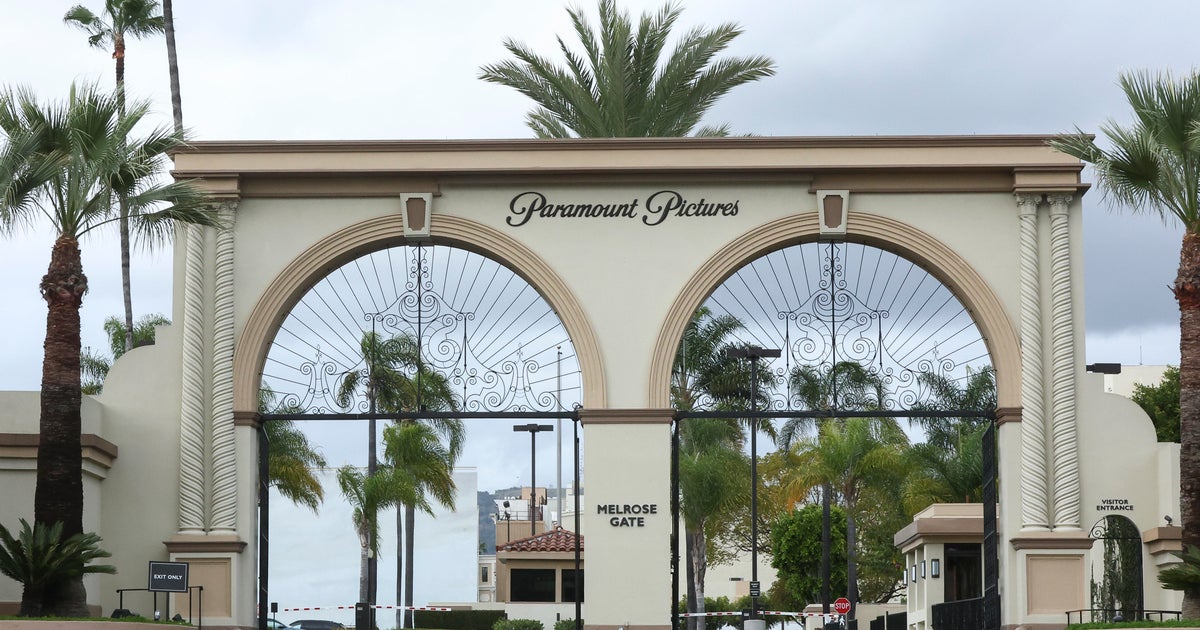
Paramount Skydance announced on Friday that it would extend the regulatory timeline for its high-profile merger with Warner Bros. Discovery to as late as June 2027, according to corporate disclosures filed with financial regulators. The revised closing window gives antitrust lawyers and federal oversight bodies a significantly longer runway to review the massive media consolidation, which reshapes the competitive landscape of Hollywood studios, streaming platforms, and traditional cable television networks.
The decision to push back the target completion date stems from ongoing discussions with federal antitrust regulators regarding market concentration and streaming dominance. Media industry analysts note that the extended schedule reflects the heightened scrutiny facing large-scale entertainment acquisitions under current regulatory frameworks. Both corporate entities face rigorous multi-jurisdictional reviews examining how the combined studio library and direct-to-consumer streaming services would impact consumer pricing and industry competition.
As the entertainment industry absorbs the implications of the delayed timeline, executives from both media conglomerates maintain that the extended review period is a standard procedural step for transactions of this scale. The merger proposal, which unites extensive film libraries, television production studios, and global distribution networks, requires clearance from the U.S. Department of Justice alongside several international regulatory bodies before it can reach a formal closing date.
Regulatory Scrutiny and Antitrust Review Process
The expanded timeline provides federal regulators with ample time to dissect the structural changes proposed by the corporate consolidation. According to official filings submitted by Paramount Skydance, the intricate nature of combining two major Hollywood studio operations demands comprehensive data collection, economic modeling, and market impact studies. Antitrust lawyers specializing in media mergers point out that recent legal precedents have placed a heavier burden of proof on merging corporations to demonstrate that consumer choice will not be diminished.
Market observers monitoring the transaction highlight that federal oversight committees are particularly focused on the streaming video-on-demand sector. With subscription prices rising across the board, regulators want to ensure that reducing the number of independent major studios does not stifle independent production or give the combined corporate entity unfair leverage in licensing negotiations with theatrical exhibitors and cable operators. The June 2027 deadline marks the outer boundary of the contractual window negotiated by the merging parties, leaving room for potential earlier approvals should regulatory clearance arrive ahead of schedule.
Despite the extended wait, production slates and ongoing entertainment projects at both studios continue to operate under existing corporate guidelines. Studio executives have emphasized that creative divisions will maintain independent operations while corporate restructuring teams work through compliance requirements. Financial markets reacted to Friday’s disclosure with measured caution, as investors adjusted their valuation models to account for the multi-year regulatory runway.
Industry Impact on Streaming and Theatrical Distribution
The prolonged merger process introduces a period of strategic uncertainty for Hollywood talent, independent producers, and distribution partners. Industry unions and guild representatives have requested formal briefings to understand how the eventual combination will affect employment stability, residual payments, and production volume. The vast scale of the combined asset base means any operational adjustments made after the merger closes will ripple across every sector of the entertainment business.
Exhibitors operating traditional movie theater chains are also watching the regulatory process closely. The integration of two major theatrical distribution pipelines carries significant weight for box office scheduling, ticket sales distribution, and cinema revenue recovery. Financial analysts covering the media sector suggest that the extended timeline gives theater owners a predictable, albeit lengthy, interim period to plan their exhibition calendars without immediate disruption from corporate restructuring.
Corporate communications teams for both organizations have reiterated their commitment to satisfying all regulatory requirements before the final integration takes effect. Regular updates regarding the review process are expected to be included in upcoming quarterly earnings reports and regulatory filings as the transaction proceeds through each administrative milestone.
Next Steps and Future Regulatory Milestones
The next major checkpoint for the merger involves the submission of secondary documentation to antitrust authorities, with further administrative hearings anticipated as the review progresses through the regulatory pipeline. Stakeholders and financial analysts will monitor upcoming filings for any adjustments to the projected closing window or additional compliance stipulations required by oversight bodies.
Readers and industry observers can track official corporate updates and regulatory filings through investor relations portals maintained by both media companies. Join the discussion below to share your perspective on how this extended timeline will shape the future of entertainment and streaming media.
Related reading