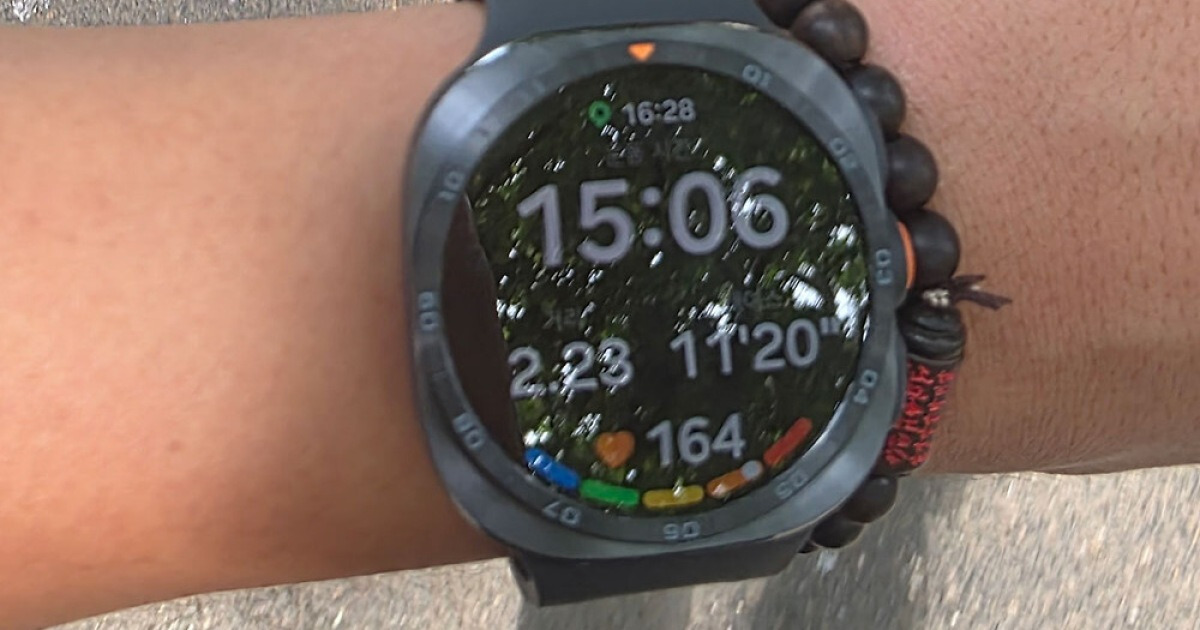
Modern wearable technology has increasingly shifted from basic step-counting to sophisticated physiological tracking, offering real-time metric updates for athletes and fitness enthusiasts. During a recent field test analyzing advanced running dynamics on consumer smartwatches, specialized software demonstrated the capability to monitor cardiovascular strain and deliver timely hydration reminders precisely when physical exertion peaked.
Testing the features during a 1.1-kilometer running session revealed how contemporary fitness trackers process biometric data on the fly. As physical output escalated, the device interface displayed a specific metric reading indicating full cardiovascular load, immediately paired with an alert advising the runner to replenish fluids well before the onset of thirst.
This integration of dynamic health monitoring reflects a broader industry trend toward proactive wellness guidance. Rather than simply logging historical performance after a workout concludes, current-generation devices utilize continuous heart rate monitoring and accelerometer data to evaluate internal stress levels and environmental factors in real time.
Understanding Real-Time Cardiovascular Load
Advanced fitness algorithms calculate cardiovascular load by measuring how hard the heart works relative to an individual’s maximum capacity during physical activity. When running, factors such as pace, elevation changes, and sustained output contribute to the overall strain recorded by the device’s optical sensors.
When a wearable registers peak cardiovascular exertion, it signals that the user has reached a targeted threshold of aerobic intensity. For runners, recognizing this transition helps optimize training regimens, preventing overtraining while ensuring workouts remain within effective physiological zones.
Medical and sports science researchers emphasize that monitoring these internal metrics helps bridge the gap between perceived exertion and actual physical stress. Because runners often misjudge their fatigue levels, objective data from wrist-based sensors provides a valuable benchmark for adjusting pace mid-stride.
The Science Behind Smart Hydration Prompts
Maintaining optimal fluid balance during endurance exercise remains critical for preventing heat-related illness and maintaining performance. Traditional running advice often instructs athletes to drink only when thirsty, but physiological studies show that thirst can be a delayed indicator of dehydration.
Smartwatches address this limitation by estimating fluid loss based on exercise intensity, duration, and ambient conditions. When a device prompts a user to drink during a run, it relies on algorithmic models that correlate elevated heart rate zones and estimated sweat rates with immediate fluid needs.
Public health guidelines consistently highlight that even mild dehydration can impair cognitive function, reduce endurance, and increase perceived effort during physical exertion. By prompting intake proactively, wearable technology encourages habits that support long-term athletic health and recovery.
Implications for Everyday Runners
The incorporation of granular physiological guidance into consumer devices transforms smartwatches from passive accessories into active training companions. Everyday runners gain access to insights previously restricted to professional sports laboratories, allowing for safer and more effective outdoor workouts.
As sensor accuracy and machine learning algorithms continue to improve, the reliability of real-time fitness feedback will only increase. For participants ranging from casual joggers to serious marathon competitors, these tools offer a practical way to align physical activity with individual biological limits.
Industry updates and software enhancements for major wearable ecosystems are routinely detailed through official manufacturer announcements and tech health portals. Readers seeking further technical specifications or software update guides can consult official support pages provided by device developers.
Worth a look