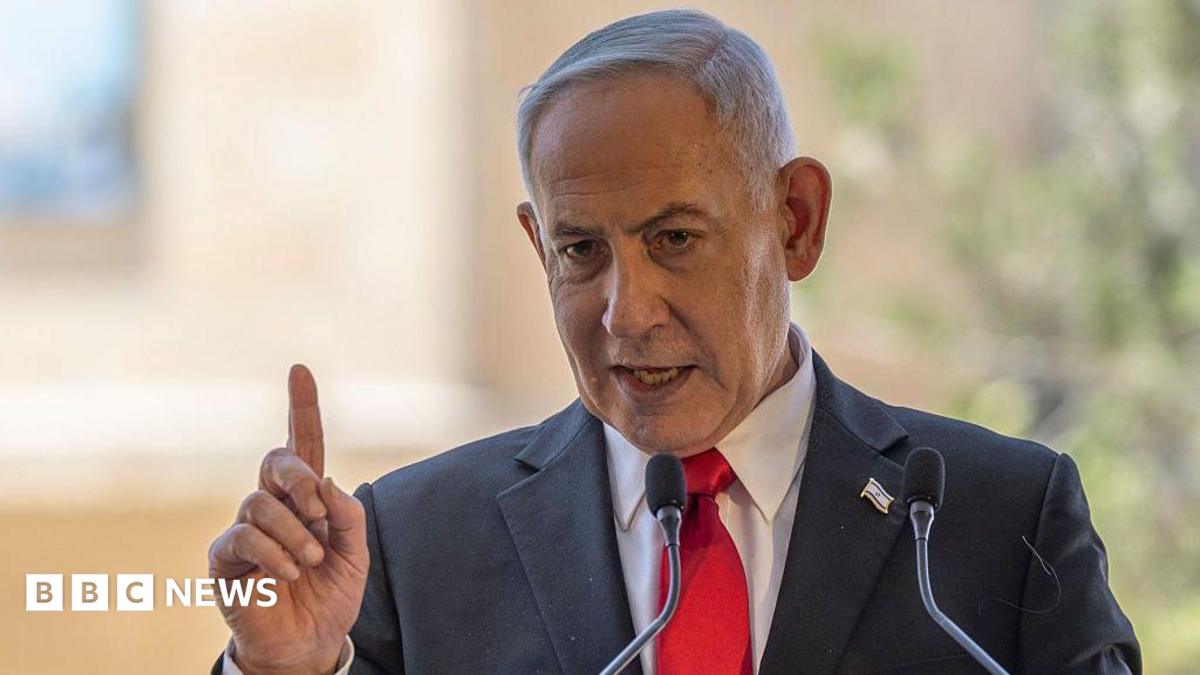
Israeli Prime Minister Benjamin Netanyahu accused New York City Mayor-elect Zohran Mamdani of fomenting hate following a public threat regarding an International Criminal Court arrest warrant. The diplomatic clash unfolded after local political rhetoric intersected with international jurisprudence, drawing sharp rebukes from foreign leaders.
The controversy stems from statements made regarding arrest warrants issued by the Hague-based tribunal. According to international news reports, local officials initially suggested that municipal authorities could enforce international warrants against visiting foreign dignitaries, a position that quickly collided with the constitutional boundaries of local municipal powers in the United States.
Mr. Netanyahu issued a strongly worded statement condemning the rhetoric, arguing that such declarations cross the line from standard political discourse into incitement. The Israeli leader emphasized that foreign policy and the enforcement of international treaties remain exclusively within the purview of the federal government, leaving local municipalities without any legal jurisdiction over matters of international law.
The Legal Realities of International Warrants in New York City
Legal analysts and constitutional scholars quickly pointed out that municipal leaders in New York possess no legal authority to execute arrest warrants issued by the International Criminal Court. The United States is not a party to the Rome Statute, the treaty that established the ICC, and federal law does not recognize the court’s jurisdiction over American soil or visiting foreign heads of state.
Faced with mounting legal scrutiny and pushback from federal authorities, the mayor-elect walked back the threat last week. According to public statements reported by Reuters, the incoming mayor acknowledged that local police departments and municipal agencies lack both the statutory power and the jurisdictional mandate to detain individuals based on international tribunal orders.
The swift reversal highlighted the complex friction points between local municipal governance and federal foreign relations. Foreign policy experts note that while city leaders frequently take symbolic stances on global issues, actual enforcement mechanisms remain strictly under federal control.
Diplomatic Repercussions and International Reactions
The exchange has reverberated far beyond the municipal boundaries of New York City, drawing attention from diplomatic corps and international organizations. Critics of the initial threat argued that local officials risk complicating delicate diplomatic channels by attempting to insert municipal agencies into complex geopolitical disputes.
Conversely, supporters of local human rights activism defended the right of municipal leaders to express solidarity with international accountability efforts, even if symbolic in nature. However, legal experts maintain a clear distinction between expressive political speech and executive enforcement actions.
The International Criminal Court has faced ongoing diplomatic pressure from various member states and non-member governments alike since issuing its high-profile warrants. The involvement of domestic American municipal politics marks an unusual intersection of local elections and international criminal justice.
Next Steps and Official Oversight
As the political fallout settles, attention turns to the incoming mayoral administration’s approach to foreign affairs and municipal jurisdiction. Federal agencies and legal observers will continue to monitor how city officials navigate the boundaries of local governance relative to federal foreign policy prerogatives.
Further updates regarding municipal policies and intergovernmental relations are expected as the mayoral transition progresses. Readers are encouraged to share their thoughts or join the discussion in the comments section below.
Related reading