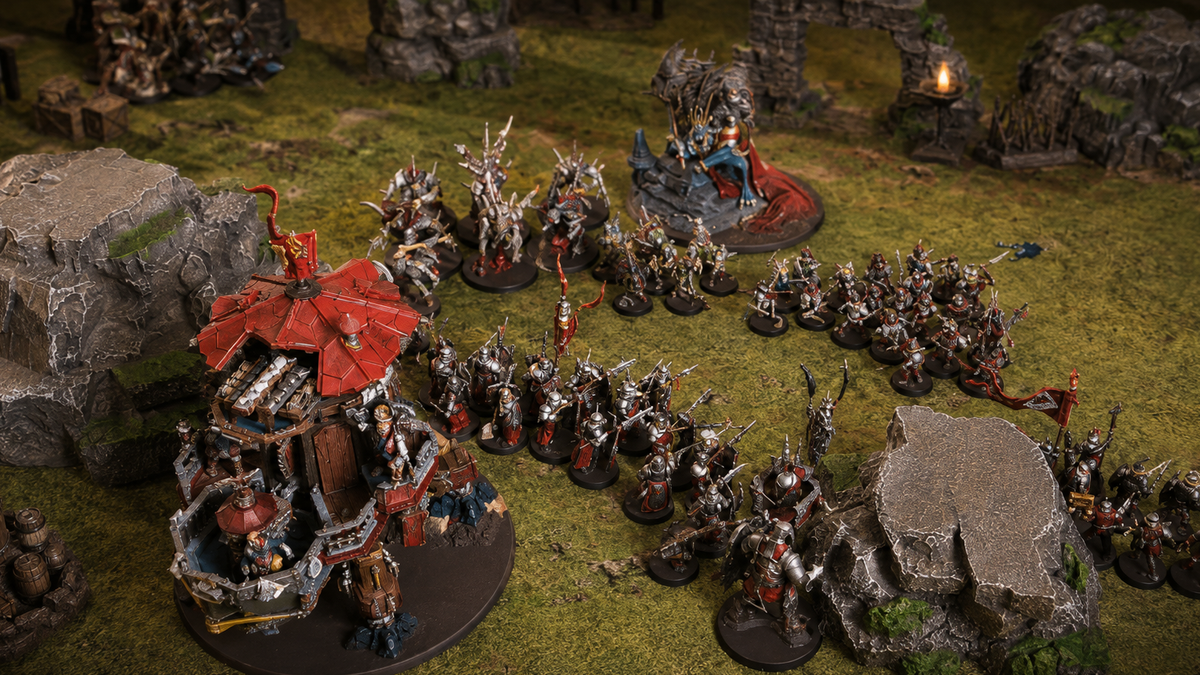
Wargaming bridges the gap between historical strategy, tactical planning, and miniature hobbycraft, offering enthusiasts a structured way to simulate battles on tabletop battlefields. For beginners stepping into the hobby, understanding the essential components required to deploy an army and play a match is the first step toward mastering the tabletop.
Whether you are drawn to futuristic science-fiction skirmishes or historical campaigns, building a functional collection requires specific core items, rules, and tools. Knowing what is truly necessary prevents unnecessary spending and ensures a smooth entry into the community.
Core Rulebooks and Army Codices
Every wargame operates on a specific set of rules that dictate movement, combat resolution, and win conditions. Before purchasing any miniatures, players must acquire the core rulebook for their chosen system, such as Games Workshop’s Warhammer 40,000 or historical rule sets like Bolt Action, published by Warlord Games. These manuals establish the foundational mechanics of the game.
In addition to the core rulebook, players need an army book, codex, or faction supplement. These texts provide the specific statistics, point costs, and special rules for the specific faction you choose to collect. According to hobby guides and community standards, relying on outdated rule sets can lead to mismatched gameplay, making it vital to check for the latest edition or errata updates published by manufacturers.
Miniatures and Assembly Essentials
Miniatures form the visual heart of tabletop wargaming, typically arriving as plastic, resin, or metal kits that require assembly and painting. To begin building models, a basic toolkit is non-negotiable. Essential supplies include hobby clippers to remove pieces from their sprues, a sharp hobby knife to clean mold lines, and plastic cement or super glue to bond the components together.
Once assembled, miniatures are mounted on bases, which often require texture paints, sand, or static grass to achieve a finished battlefield look. While fully painted armies are not strictly required for casual kitchen-table games, most organized local game store events and official tournaments enforce a minimum painting standard, encouraging players to bring at least primed and three-color-painted models.
Dice, Measuring Tools, and Accessories
Randomness and distance management drive the mechanics of wargaming, meaning physical accessories are just as important as the models themselves. Most games rely heavily on six-sided dice (D6), though specific systems may incorporate twenty-sided or ten-sided dice to resolve complex attacks and saving throws.
Accurate measurement is equally critical for determining movement ranges and weapon firing arcs. Players must have a flexible tape measure or rigid acrylic range markers—typically measured in inches—to calculate distances on the battlefield. Neglecting precise measurements often leads to disputes during competitive play, making reliable tools standard equipment in every player’s carry case.
Terrain and Play Surfaces
A wargame is defined by its environment, and playing on a completely flat, bare table removes the tactical depth that makes the hobby engaging. Terrain pieces—such as ruined buildings, forests, hills, and defensive barricades—provide cover for units, break up line-of-sight, and create dynamic tactical bottlenecks.
Beginners often start with simple felt or neoprene gaming mats that feature printed grass, urban concrete, or desert sands. Cardboard terrain kits or 3D-printed scenery offer cost-effective ways to populate a battlefield before investing in fully painted resin or plastic terrain collections.
Next Steps for New Wargamers
The best entry point for a new player is visiting a local hobby store or independent gaming club to observe live matches and speak with experienced participants. Many local shops offer introductory demonstration games using store-owned models, allowing newcomers to test mechanics before purchasing a starter box. For official rules updates, community forums, and release schedules, players can consult manufacturer websites such as Warhammer Community or Warlord Games.
Have questions about choosing your first faction or setting up your painting workspace? Leave a comment below or share this guide with fellow tabletop enthusiasts.