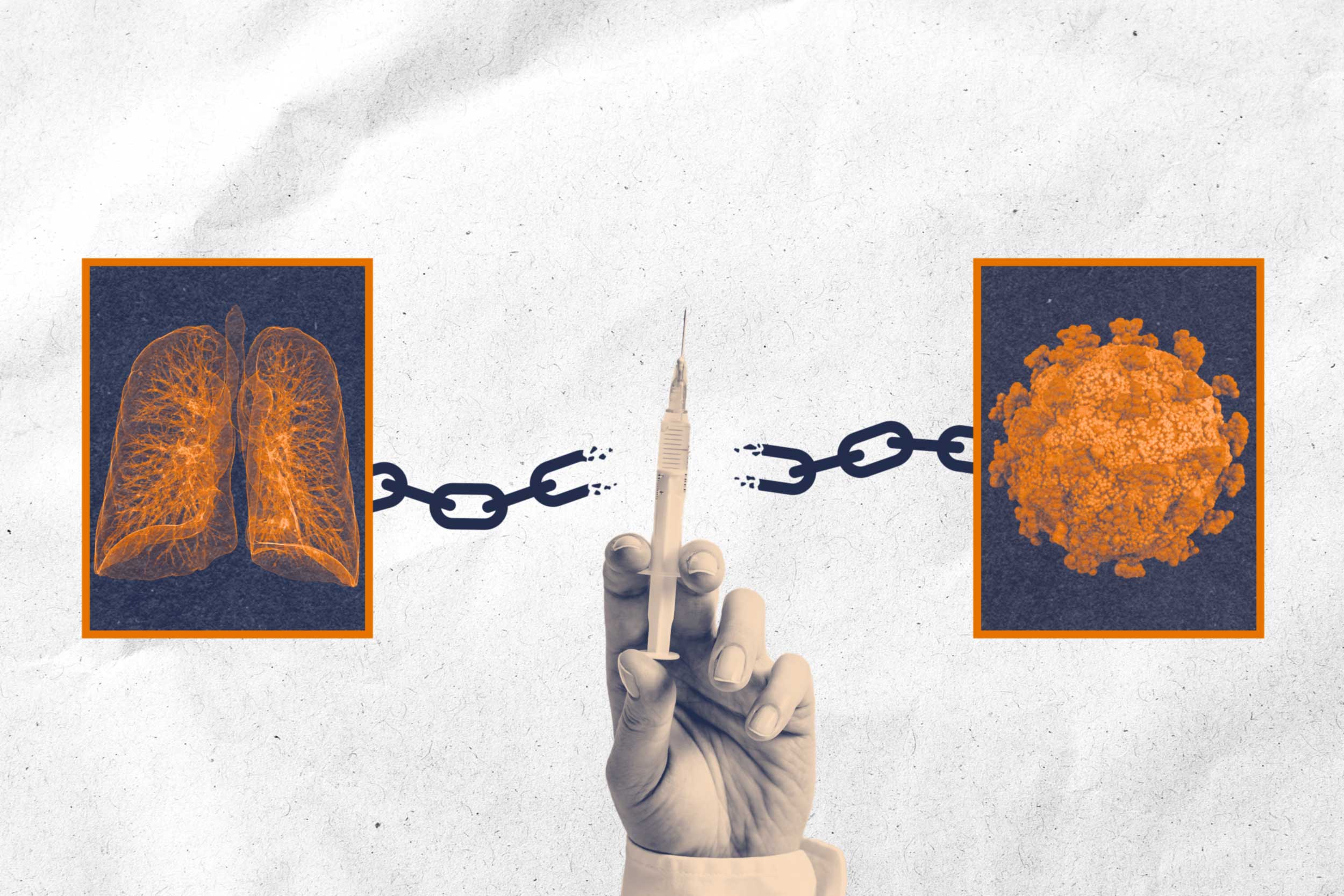
Patients recovering from severe COVID-19 frequently experience long-lasting reductions in exercise tolerance, impaired lung function, and significant physical and psychological hurdles months after hospital discharge, according to comprehensive scientific research and clinical studies published across multiple medical journals.
Survivors of severe acute respiratory syndrome coronavirus 2 infections face a complex array of long-term health challenges long after leaving the hospital. While the acute phase of illness subsides for most individuals, critically ill patients—particularly those who required intensive care unit admission—frequently contend with persistent symptoms commonly categorized as post-COVID syndrome, or long COVID.
Lasting Functional Impairment and Lung Capacity Reductions
Clinical evaluations underscore how deeply severe viral illness affects physical endurance and cardiopulmonary fitness. In a prospective cohort study published in JAMA Network Open, researchers assessed 238 adult patients in northern Italy four months after their hospital discharge between March 1 and June 29, 2020. Among 219 patients who completed specific lung function tests and carbon monoxide measurements, 113 individuals—representing 51.6% of that tested group—exhibited a diffusing lung capacity for carbon monoxide of less than 80% of expected levels, pointing to compromised pulmonary function.


Furthermore, 34 patients in that cohort showed more severe impairment, registering values below 60% of normal. Mobility and exercise testing revealed even broader physical hurdles. Fifty-three patients showed limited mobility on the Short Physical Performance Battery, while 75 of those with normal scores who completed a two-minute walk test demonstrated subpar exercise capacity. Altogether, 128 patients out of the group—or 53.8%—suffered from functional impairment four months post-discharge.
“A significant proportion of patients hospitalized for COVID-19 still reported a high proportion of symptoms associated with COVID-19 up to 4 months after hospital discharge, with reduced exercise tolerance being the most common.”
Researchers from two universities in Novara, Italy, via CIDRAP
Additional retrospective observations published in Frontiers in Medicine evaluated functional capacity changes using the Duke Activity Status Index among 31 patients with a history of severe COVID-19 requiring intensive care. The study recorded a marked decline in post-infection scores, noting that ultrasound abnormalities and pleural effusion correlated with sharper reductions in functional capacity.
Rehabilitation Strategies and Recovery Timelines
To combat these enduring deficits, medical teams look to structured recovery programs.
Psychological Sequelae and Broader Health Risks
Physical limitations frequently intertwine with psychological distress. In the Italian prospective cohort, 17.2% of participants reported symptoms of posttraumatic stress disorder. When evaluated via a structured questionnaire, 25.6% showed mild symptoms, 11.3% experienced moderate symptoms, and 5.9% reported severe symptoms, with male participants showing a higher likelihood of registering moderate to severe psychological stress.
In parallel, separate case-control investigations examining biological exposures published in Nature analyzed urinary cotinine levels to assess nicotine exposure among severe patients. The findings noted that nicotine binding to nicotinic acetylcholine receptors can upregulate ACE2 receptors—the primary entry point for SARS-CoV-2—potentially exacerbating viral replication and inflammation, while also pointing to the widespread public health challenge posed by passive smoke exposure.
Worth a look