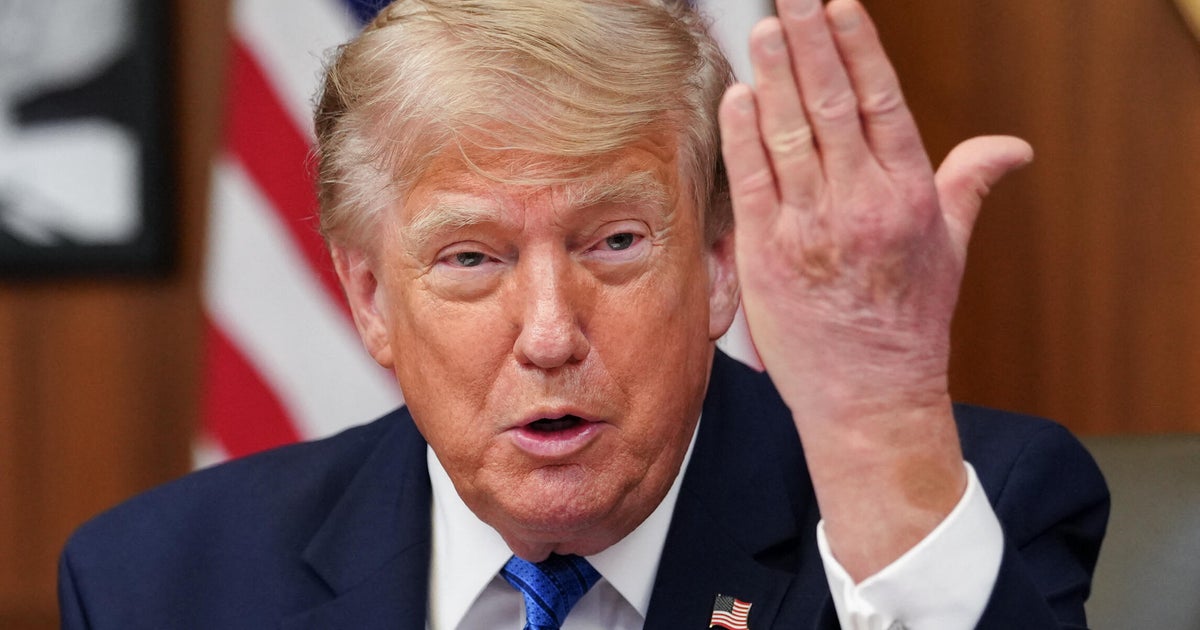
Donald Trump praised the current United States military strategy regarding Iran, asserting that the country is doing an “amazing job” amidst escalating geopolitical tensions, according to recent public remarks reported by CBS News. Speaking on developments from Camp David during a cabinet summit previewed by the New York Post, Trump also remarked that Iranian leaders “all they do is make me angry,” while acknowledging that “most people would’ve given up by now, so I credit them for being tough,” as noted by The Times of Israel.
The statements arrive amid a complex backdrop of foreign policy debates in Washington, where various factions continue to clash over the efficacy of maximum pressure campaigns and potential military offensives. Observers and foreign policy analysts note that the rhetoric underscores a persistent hardline stance toward Tehran, even as diplomatic channels remain strained and regional proxy conflicts persist across the Middle East.
This report examines the recent remarks by Trump, the broader strategic context surrounding U.S. policy toward Iran, and the implications of ongoing military planning discussed at high-level summits.
Strategic Posture and Recent Remarks at Camp David
The comments from Trump highlight a sustained focus on Iran’s leadership and the tactical posture of U.S. forces in the region. According to coverage from the New York Post, discussions at the Camp David cabinet summit centered heavily on previewing forthcoming military strategies and assessing the ongoing friction between Washington and Tehran.
Trump’s assertion that the U.S. is executing an “amazing job” reflects his defense of targeted operations and economic sanctions against Iranian state apparatuses. At the same time, his observation that Iranian officials “make me angry” points to the deeply personal and adversarial nature of diplomatic relations that have characterized U.S.–Iran dynamics for years.
Foreign policy specialists have frequently debated the coherence of these hardline approaches. As highlighted in an analysis by The Atlantic, internal disagreements among various political factions often complicate long-term strategic planning, leaving allies and adversaries alike to parse shifting signals from American leadership.
Assessing Resilience and Toughness in Tehran
In addressing the durability of the Iranian government, Trump offered a mixed assessment, noting that “most people would’ve given up by now, so I credit them for being tough,” as reported by The Times of Israel. This acknowledgment of institutional resilience underscores the reality that decades of severe economic sanctions and diplomatic isolation have failed to alter the fundamental behavior of Tehran’s ruling clerical establishment.
Despite facing severe domestic economic pressures, currency devaluation, and international scrutiny over its nuclear program and regional proxy networks, Iran’s leadership has maintained its core security and foreign policy objectives. Analysts point out that acknowledging this persistence highlights the difficulty of achieving quick diplomatic breakthroughs or regime collapse through economic pressure alone.
Regional stakeholders, including Gulf states and European allies, continue to monitor these developments closely, weighing the risks of further military escalation against the dwindling prospects for a renewed diplomatic framework.
Broader Implications and Next Steps
As discussions concerning potential military offensives continue to circulate within political circles, attention turns to how current and future administrations will manage the delicate balance between deterrence and open conflict. The lack of formal diplomatic communication channels between Washington and Tehran leaves little room for de-escalation if hostilities flare.
Official updates and further policy declarations are expected to emerge as the political cycle progresses and national security agencies release updated regional assessments. Observers can follow ongoing developments and official policy statements through major international news outlets and government briefings as new information becomes available.
Related reading