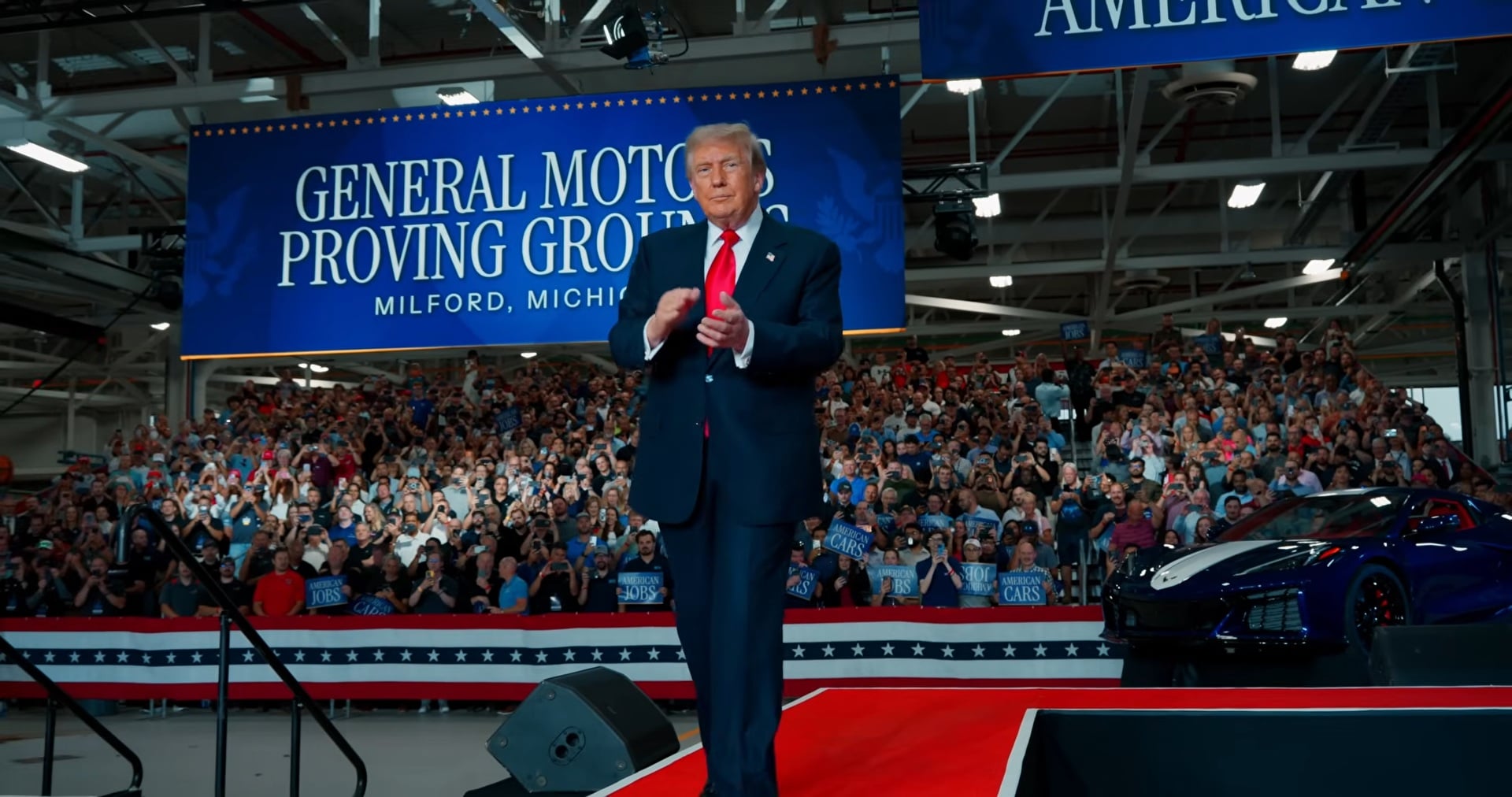
The Cuban government would reportedly consider allowing business operations tied to United States President Donald Trump on the island, provided that specific bilateral and economic conditions are met. According to recent regional reporting, Cuban authorities have signaled a pragmatic approach toward potential commercial ventures involving the Trump Organization or associated business interests, framing any future economic engagement within the broader context of diplomatic relations between Washington and Havana.
This policy posture emerges as international observers monitor potential shifts in United States foreign policy toward Latin America and the Caribbean. While official diplomatic ties between the two nations have experienced severe strain over successive administrations, foreign policy analysts note that commercial pragmatism occasionally intersects with state-level negotiations in Cuba’s foreign economic strategy.
The possibility of American hospitality or real estate ventures operating within Cuban territory hinges primarily on major structural reforms to existing United States sanctions. According to expert legal analyses on the United States embargo against Cuba, current federal regulations severely restrict American corporate investment, financial transactions, and commercial property development on the island.
For any enterprise associated with high-profile American figures to establish a foothold in Cuba, Washington would first need to dismantle or substantially amend the core legislative pillars of the trade embargo. These include provisions within the Cuban Liberty and Democratic Solidarity (Libertad) Act of 1996, commonly known as the Helms-Burton Act, which codifies economic restrictions and penalizes international companies utilizing expropriated properties claimed by United States nationals.
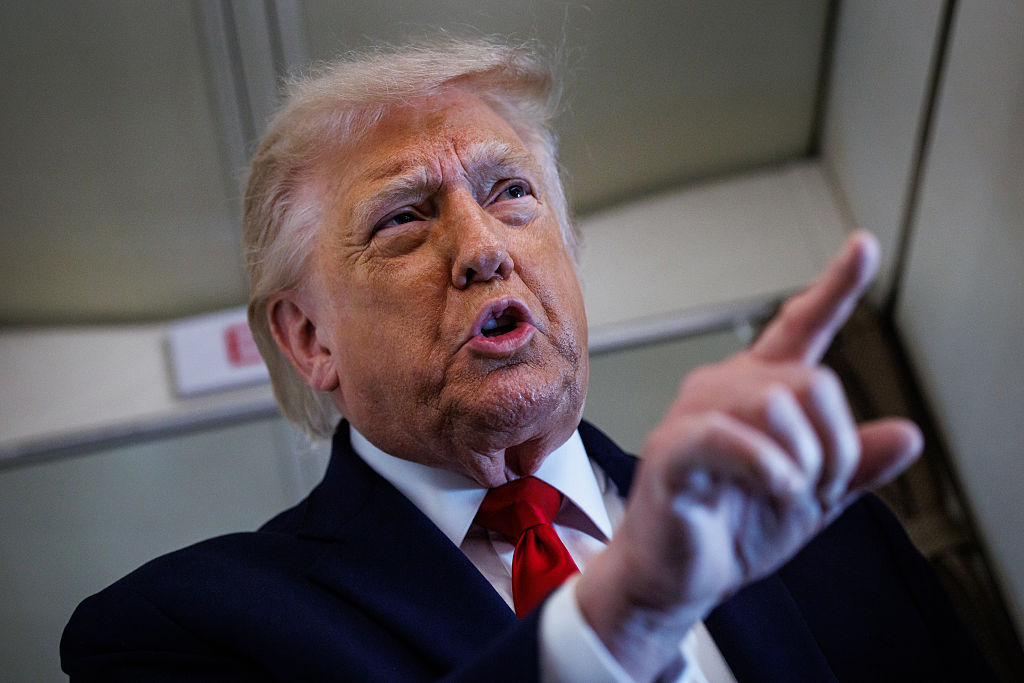
Economic researchers studying foreign direct investment in Cuba emphasize that the island’s domestic legal framework also presents substantial hurdles. Cuban law historically mandates that foreign entities partner with state-owned enterprises, typically operating through joint ventures where the Cuban government retains majority control. Adapting these mandatory state-partnership models to accommodate private international conglomerates remains a complex challenge for local policymakers.
At the same time, the broader geopolitical landscape surrounding United States-Cuba relations remains volatile. Recent policy adjustments by Washington have maintained strict financial controls, limiting remittances and tightening travel restrictions for American citizens visiting the island. As a result, commercial opportunities for United States businesses in Cuba remain legally unfeasible under current regulatory conditions.
Stakeholders and observers monitoring developments in Caribbean trade and international diplomacy can consult updates published by the U.S. Department of State and official regulatory notices provided by the U.S. Department of the Treasury regarding ongoing sanctions enforcement and travel advisories.
- Summer Sound 2026: Highlights and Guide to Liepaja’s Biggest Summer Festival
- Dortmund’s Maatsen Pursuit & Ohio State Star’s Alabama Rivalry Explained
- At typically tranquil Camp David, Trump publicly lashes out at political enemies (archyworldys.com)
- Trump Orders New Strike on Iran as Conflict Enters Sixth Month (world-today-news.com)