
Genetic analysis of modern human genomes reveals a ghost lineage, contributing about 0.5 to 1.1 percent of current DNA. Researchers estimate the lineage split from modern human ancestors over 800,000 years ago, according to Arstechnica.
When geneticists map the history written inside human DNA, familiar chapters usually emerge. Researchers have long tracked genetic footprints left by Neanderthals and Denisovans across modern populations.
Uncovering the TRACE Tool and Its African Genome Findings
To test the new analytical tool, scientists first looked at well-documented sequences like Neanderthal and Denisovan DNA. According to Arstechnica, the combination of tools used to generate ancestral recombination graphs yielded a very low false discovery rate of less than a quarter of a percent, paired with an accuracy exceeding 90 percent.
When researchers applied TRACE to roughly 500 modern human genomes, the tool successfully pulled out expected Neanderthal and Denisovan segments. Crucially, it also revealed widespread DNA belonging to an unacknowledged ghost lineage, as reported by Arstechnica.
The Scope and Timeline of the Ancient Ghost Lineage
Although the percentage of ghost lineage DNA in current human genomes remains small—ranging from about 0.5 to 1.1 percent—its collective volume is striking. According to Arstechnica, these segments cover nearly 1.5 billion bases out of a full human genome total of three billion bases.
The genetic material appears across all modern human populations, pointing to interbreeding that occurred before the out-of-Africa expansion. Based on the last common ancestor of these sequences, researchers estimate that the lineage split from modern humans over 800,000 years ago. Arstechnica notes that this timeline makes the ghost lineage roughly the same age as the split with the ancestors of Neanderthals and Denisovans.
Regional Variations Across African and Non-African Populations
Geographic distribution reveals distinct patterns in how this ancient DNA was preserved or lost. African populations carry more diverse segments of the ghost lineage, along with some distinct variations that survived, according to Arstechnica.
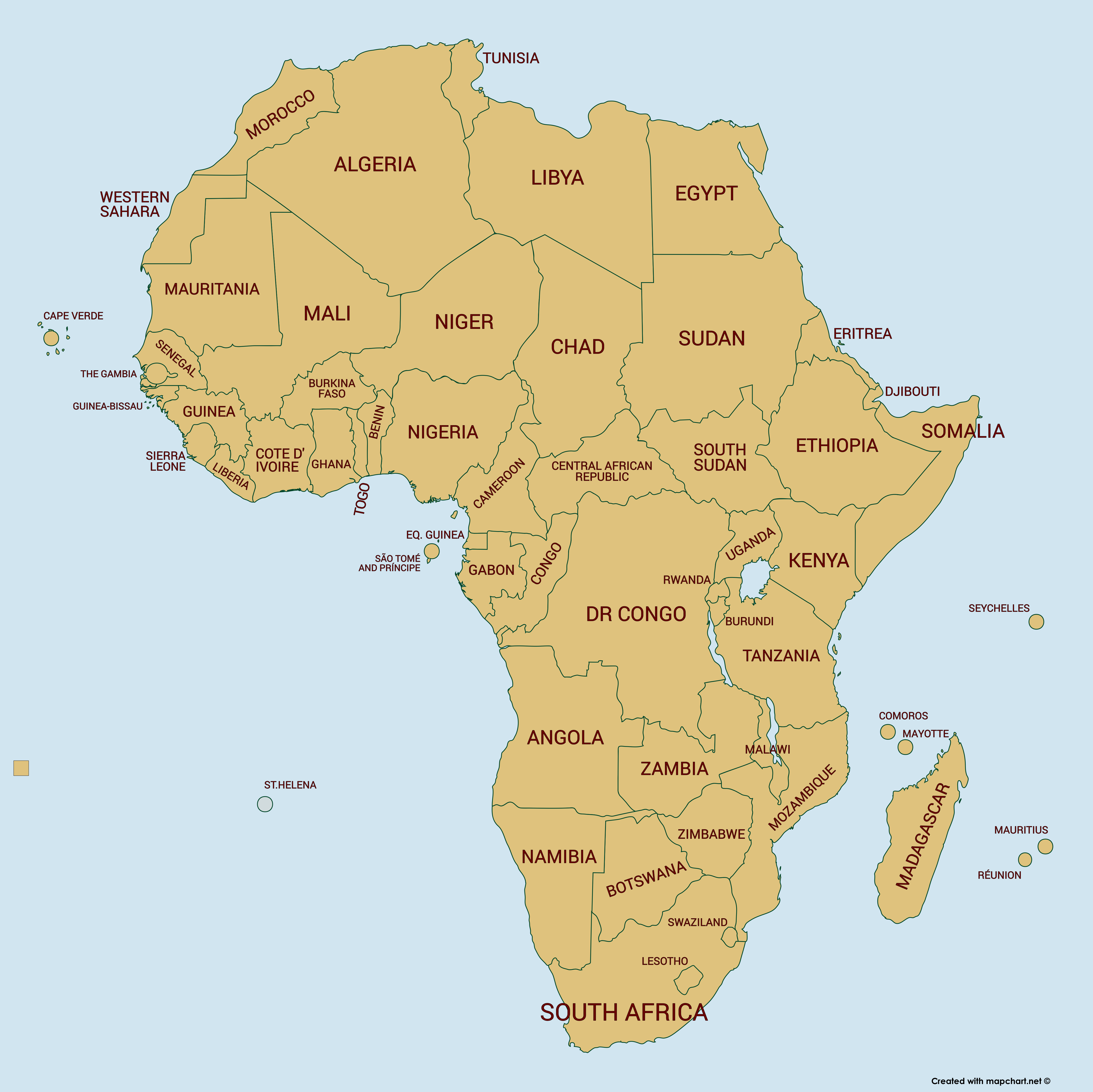
By contrast, non-African populations experienced a loss of genetic diversity when only a fraction of the total population expanded into Eurasia. Arstechnica reports that researchers identified about 100 areas of the genome that lack ghost lineage DNA entirely in non-African populations. Furthermore, the segments found in the human genome are on average shorter than Neanderthal and Denisovan segments, supporting the conclusion that they arrived in the modern human genome longer, before modern humans left Africa.
Related reading