
A routine social media broadcast at the Wacken Open Air music festival led law enforcement to initiate a search for two individuals featured in a TikTok livestream on the festival grounds. According to local authorities, the digital broadcast prompted an immediate police response near the perimeter of the prominent heavy metal event in northern Germany, raising questions about digital surveillance, real-time broadcasting, and site security.
Festival security and regional police forces coordinate closely each year during the massive open-air gathering, which draws tens of thousands of rock and metal fans to Schleswig-Holstein. The appearance of the two suspects on a widely viewed livestream alerted both online viewers and monitoring authorities, setting off a sequence of events that brought patrol units directly to the campsite perimeters. Investigators reviewed digital footprints and stream metadata to track the movements of the individuals highlighted in the footage.
As digital platforms increasingly intersect with physical law enforcement operations, major European festivals face new challenges regarding live video feeds generated by attendees. Police forces across Germany regularly monitor social media channels during large-scale public events to deter unlawful behavior and respond rapidly to digital tips called in by citizens watching online streams from home.
Digital Surveillance and Festival Security Measures
The incident at Wacken highlights how open-access video platforms can transform public spaces into transparent environments where actions are broadcast to global audiences within seconds. According to regional police reports, digital tips derived from social media platforms require immediate verification by on-ground personnel to determine whether a genuine security threat exists. Officers assigned to festival duty must balance standard crowd-management protocols with the rapid influx of digital information supplied by internet users.
Event organizers and local law enforcement agencies maintain dedicated command posts throughout the festival week to process reports quickly. When video footage depicting potential offenses or wanted individuals circulates online, cyber-monitoring teams work in tandem with mobile patrols stationed around the stages and camping areas. This integration of digital monitoring and field deployment has become a standard operational procedure for large-scale European cultural gatherings.
Impact on Attendees and the Wacken Open Air Community
For the thousands of metal fans camping around the small Schleswig-Holstein municipality, police interventions sparked curiosity and discussion across community forums and messaging groups. Attendees frequently use social media to document festival life, share concert highlights, and connect with fellow festival-goers. However, the use of live-streaming tools also brings heightened scrutiny regarding privacy and the unintended broadcasting of unlawful activities.
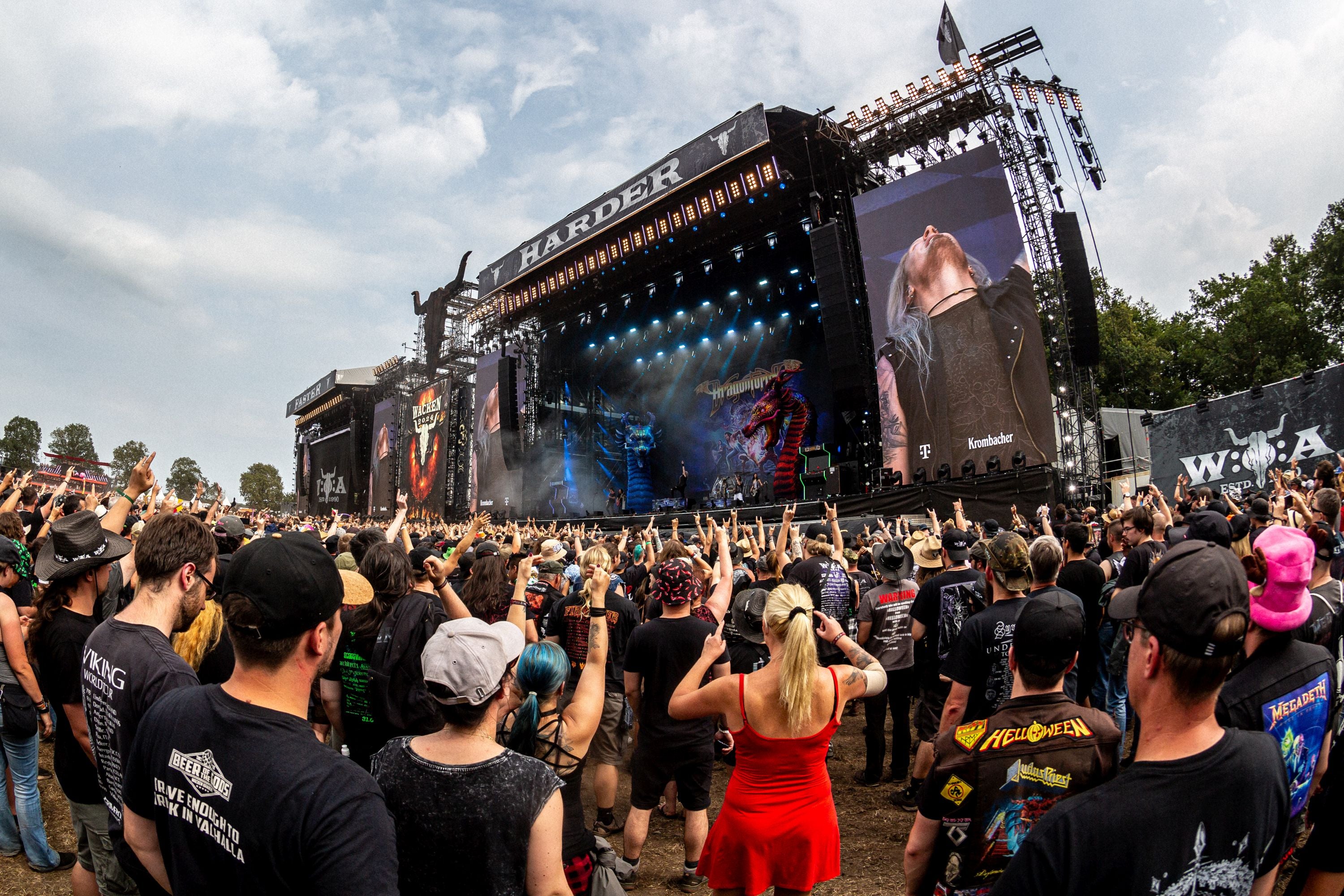
Security experts note that while live broadcasts enhance the shared experience for fans unable to attend in person, they also create evidentiary trails that law enforcement agencies can leverage during active investigations. Festival organizers continue to issue guidelines regarding filming rights and the privacy of fellow attendees, aiming to maintain a secure and welcoming environment for the global metal community.
Authorities have not yet released final conclusions regarding the identities of the two individuals or potential charges arising from the stream. Official updates and announcements regarding regional security operations remain accessible through the official police directorate portals for Schleswig-Holstein.
Related reading