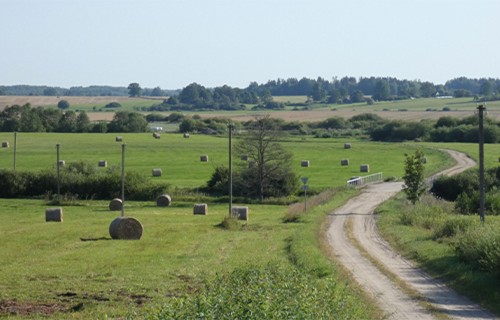
Rural communities across regions utilizing community-led local development frameworks are navigating updated administrative pathways designed to streamline the acquisition of LEADER funding for rural development projects. According to regional agricultural and rural affairs updates, the simplification initiatives aim to reduce bureaucratic friction for local entrepreneurs, municipalities, and non-profit organizations seeking financial backing for local economic initiatives.
The changes arrive as local action groups prepare funding calls geared toward micro-business incubation, infrastructure enhancement, and community engagement. By reducing documentation overhead, program administrators intend to accelerate project implementation timelines and encourage greater participation among smaller enterprises that traditionally faced obstacles navigating complex grant applications.
Rural development funding under these community-led models has historically supported diverse ventures, ranging from traditional craft enterprises to modern agri-tourism initiatives. Observers note that while the core objectives of job creation and territorial cohesion remain unchanged, the procedural adjustments reflect a broader administrative push toward digital integration and transparent, expedited review cycles.
Administrative Streamlining and Application Procedures
The revised application framework focuses heavily on cutting redundant paperwork and shortening evaluation windows for submitted proposals. Regional agricultural agencies report that digitized submission portals now allow applicants to track project statuses in real time, minimizing administrative delays and administrative overhead for local action groups.
Local stakeholders have frequently cited complex reporting requirements as a primary deterrent for small-scale applicants. Under the updated guidelines, standardized application templates and clearer eligibility criteria help applicants self-assess their proposals before formal submission. These procedural updates are intended to lower entry barriers for community organizations operating with limited administrative staff.
Target Sectors and Community Impact
Funding allocations continue to prioritize key pillars of local revitalization, including agricultural diversification, heritage preservation, and the provision of basic services for rural populations. Projects that demonstrate direct economic benefits for local residents receive preferential evaluation during the competitive selection phases managed by territorial action groups.
Municipalities and rural cooperatives utilize these grants to modernize community spaces, upgrade small-scale local transport links, and foster digital connectivity in remote areas. Analysts emphasize that community-led local development relies heavily on grassroots participation to ensure that financial resources match specific regional needs rather than imposing uniform top-down solutions.
Next Steps for Prospective Beneficiaries
Prospective applicants are advised to consult regional agricultural administration portals and local action group announcements for specific submission deadlines, available funding ceilings, and eligibility criteria updates. Project initiators should prepare detailed feasibility plans and confirm their alignment with local development strategies ahead of upcoming funding windows.
We welcome your thoughts on these administrative updates. Please share your comments or questions below to join the discussion on rural development financing.
Worth a look