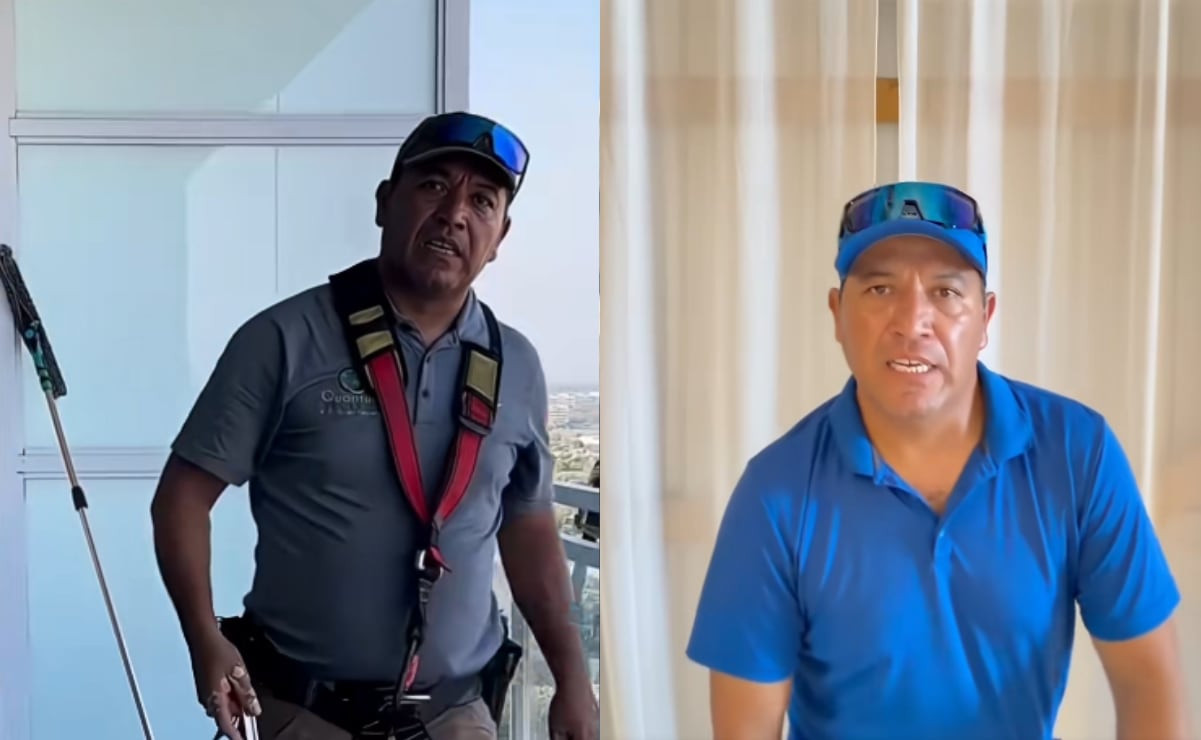
A video depicting a verbal confrontation between a woman and a migrant worker in the United States has gained significant attention on social media, drawing widespread condemnation. The footage features a man, identified as Isidro, a native of Querétaro, Mexico, being subjected to insults while he was performing window-cleaning services. The incident has since prompted a public outpouring of support for the worker, alongside official warnings regarding unauthorized fundraising efforts.
The encounter, which circulated widely across platforms like X and TikTok, shows a woman aggressively confronting the worker, using derogatory language while demanding he leave the area. The interaction sparked immediate debate regarding workplace harassment and the treatment of migrant laborers in the U.S. Following the viral spread of the video, community members and online users sought ways to provide financial assistance to Isidro, who has been working to support his family.
Isidro Addresses Public Support and Fraud Concerns
In response to the viral video and the subsequent public reaction, Isidro publicly thanked those who offered him support and solidarity. However, he also issued a critical advisory to the public: he urged individuals to refrain from donating to unauthorized profiles or crowdfunding pages that may be using his image or story to solicit money under false pretenses. According to reports from regional news outlets tracking the incident, Isidro emphasized that he is not associated with many of the online campaigns currently circulating.
The rise of unauthorized fundraising following viral incidents is a documented issue, with platforms like GoFundMe and other digital payment services often becoming targets for bad actors. Financial security experts consistently advise that individuals wishing to assist victims of public harassment should verify the identity of the recipient through official, documented channels or recognized non-profit organizations before transferring funds. As of this week, no official, verified crowdfunding campaign linked directly to Isidro has been confirmed by his representatives or local authorities in his home state of Querétaro.
Workplace Harassment and Legal Protections
The incident highlights ongoing challenges faced by migrant workers in the U.S. service industry. Under federal guidelines provided by the U.S. Equal Employment Opportunity Commission (EEOC), workplace harassment—defined as unwelcome conduct based on race, color, religion, sex, national origin, age, disability, or genetic information—is prohibited when it becomes so frequent or severe that it creates a hostile work environment. While the incident involving Isidro occurred in a public space rather than a traditional office setting, the video has sparked broader discussions about the rights of independent contractors and service workers to operate without intimidation.
Labor rights organizations often point out that migrant workers, particularly those in the informal economy, may face unique vulnerabilities when reporting harassment. Legal experts suggest that those who experience similar verbal abuse or threats in public spaces should prioritize their physical safety and, where possible, document the incident with local law enforcement if they feel their security is compromised. The local authorities in the jurisdiction where the event took place have not publicly announced any formal charges related to the incident as of the latest updates.
The Impact of Viral Media on Personal Lives
The rapid dissemination of the confrontation serves as a case study in how viral media can alter the lives of private individuals in a matter of hours. For Isidro, the transition from an anonymous service worker to a public figure occurred involuntarily. This phenomenon often leads to a “double-edged sword” effect: while it can mobilize community assistance, it also exposes individuals to intense public scrutiny and the risk of digital exploitation.
Observers of digital culture note that the public’s desire to “do something” in response to upsetting videos often outpaces the ability to verify who is actually behind the screen. As the situation remains fluid, the primary message from the affected party remains one of caution. Potential donors are encouraged to wait for verified updates from reputable news organizations or official community leaders before attempting to provide financial aid. For now, the story stands as a reminder of the importance of digital literacy and the necessity of protecting the privacy and safety of those caught in public disputes.
Updates regarding any potential legal actions or verified support initiatives will be tracked through local law enforcement and official community bulletins. Readers are encouraged to share this information to help prevent further fraud and to comment below with their thoughts on how communities can better protect service workers from public harassment.