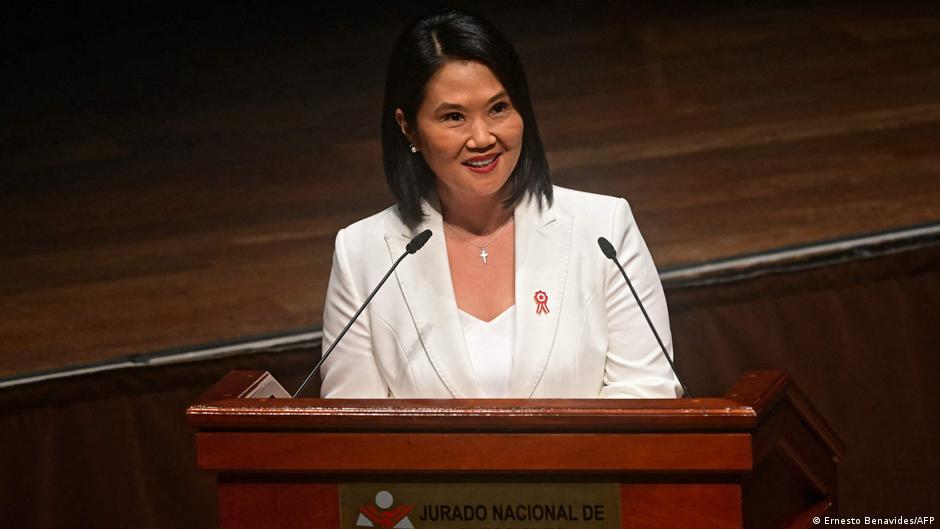
Following recent political transitions in Lima, senior U.S. officials have moved quickly to cement counter-narcotics and anti-crime agreements, highlighted by targeted funding for specialized investigative units designed to dismantle transnational criminal syndicates.
As new leadership takes the reins in Lima, both governments are prioritizing institutional cooperation to combat rising organized crime rates, money laundering, and illicit trafficking networks operating across Andean supply chains.
U.S. Counterpart Engagement and Diplomatic Outreach
High-level diplomatic exchanges set the stage for expanded bilateral cooperation shortly after the presidential transition in Peru. According to El Comercio, U.S. officials emphasized the importance of joint security frameworks during initial congratulatory communications with Peruvian leadership. Washington has consistently pointed to Peru as a vital partner in maintaining regional stability and curbing the cross-border flow of illicit narcotics.
Government representatives in Lima have welcomed the engagement, viewing foreign technical assistance and financial backing as critical components of their domestic safety agenda.
Financing Specialized Police Units Against Organized Crime
A cornerstone of the renewed bilateral cooperation involves direct financial support for specialized law enforcement infrastructure. According to Peru21, the United States has committed funding to establish a new specialized police unit dedicated exclusively to investigating and prosecuting organized crime networks.
Regional Implications and Next Steps
Readers seeking official updates on bilateral agreements and regional security initiatives can consult institutional releases from the Diario Oficial El Peruano. We invite our readers to share their perspectives on these developments in the comments below.
Related reading