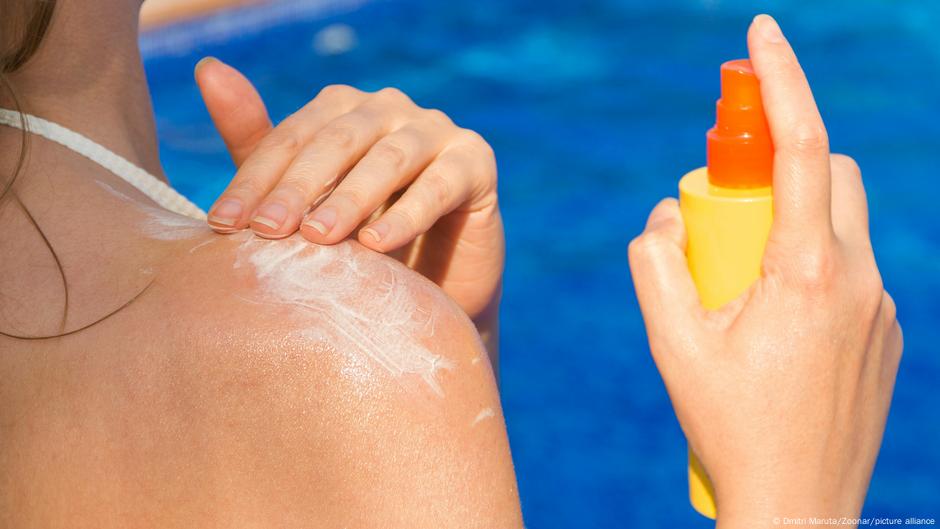
Dermatologists and public health officials are issuing fresh warnings about a widespread summer habit that inadvertently compromises skin protection: applying sunscreen too thinly or infrequently, creating a false sense of security that can increase the risk of skin damage and long-term health concerns. According to recent public health guidance from dermatological societies, improper application remains the single most common barrier to effective ultraviolet (UV) radiation defense during peak sunlight months.
When individuals rely on an inadequate layer of product or skip reapplication after swimming and sweating, the actual protection level drops drastically below the SPF rating printed on the bottle. Major health organizations emphasize that achieving the stated Sun Protection Factor requires a specific volume of cream—roughly two milligrams per square centimeter of skin—which most consumers fail to apply. This discrepancy turns a protective measure into a vulnerable exposure window.
The issue gains urgency as global temperatures rise and outdoor activities peak across international destinations. Understanding how physical barriers, chemical filters, and proper application intervals interact is vital for anyone spending time outdoors. Experts point out that UV-A rays, which penetrate deep into the dermis, and UV-B rays, which cause surface sunburns, require consistent, robust shielding that a single morning application simply cannot provide.
The Math Behind Proper Sunscreen Application
According to clinical studies cited by dermatological associations, the average person applies only 25 to 50 percent of the recommended amount of sunscreen. This under-application alters the physics of protection. An SPF 50 product applied at half the required thickness provides closer to an SPF 7 or SPF 10 level of defense, leaving the skin largely exposed to cellular damage.
To meet standard testing metrics, adults need approximately one ounce—roughly a shot glass full—to cover the exposed areas of the entire body. For the face and neck alone, dermatologists recommend a volume equivalent to a nickel-sized dollop or two distinct finger-lengths of cream. Skimping on these amounts reduces the protective film’s ability to absorb and deflect harmful radiation.
Furthermore, timing plays a critical role in efficacy. Chemical sunscreens require roughly 15 to 30 minutes to bind with the stratum corneum and form an effective barrier before UV exposure begins. Applying the product while already sitting under direct sunlight leaves the skin unprotected during the crucial initial minutes outdoors.
Common Missteps That Undermine UV Defense
Beyond quantity, several routine application errors significantly reduce the effectiveness of sun protection products. Failing to reapply every two hours—or immediately after heavy perspiration, swimming, or towel drying—removes the protective chemical or mineral layer entirely. Water-resistant formulas maintain their rating for 40 to 80 minutes of water immersion, but they are not entirely waterproof.
Neglecting high-risk anatomical zones is another frequent oversight. Public health advisories highlight commonly missed areas, including:
The tops of the ears and the back of the neck
The upper eyelids and lips
The parting line of the hair on the scalp
The tops of the feet and hands
Additionally, consumers often overlook expiration dates and improper storage conditions. Active ingredients in sunscreens degrade over time, especially when exposed to high summer temperatures inside beach bags or parked cars. Using a bottle past its expiration date or one that has separated due to heat exposure means the chemical filters may no longer neutralize UV radiation effectively.
Navigating Product Labels and Safety Standards
Choosing the correct formulation requires looking beyond high SPF numbers. Regulatory bodies, including the U.S. Food and Drug Administration (FDA) and the European Commission, recommend using broad-spectrum sunscreens that protect against both ultraviolet A (UVA) and ultraviolet B (UVB) rays. An SPF rating specifically measures protection against UVB rays, which cause sunburns, while broad-spectrum designation ensures defense against aging and deep cellular damage caused by UVA rays.
Public health agencies advise incorporating physical barriers alongside topical products. Wearing tightly woven clothing, wide-brimmed hats, and UV-blocking sunglasses provides reliable protection that does not degrade or wash away. Seeking shade during peak UV hours—typically between 10 a.m. and 4 p.m.—remains a cornerstone of dermatological safety guidance.
For official updates, safety guidelines, and ongoing research regarding skin protection and public health advisories, readers can consult resources provided by the World Health Organization and local dermatological associations.
Keep reading