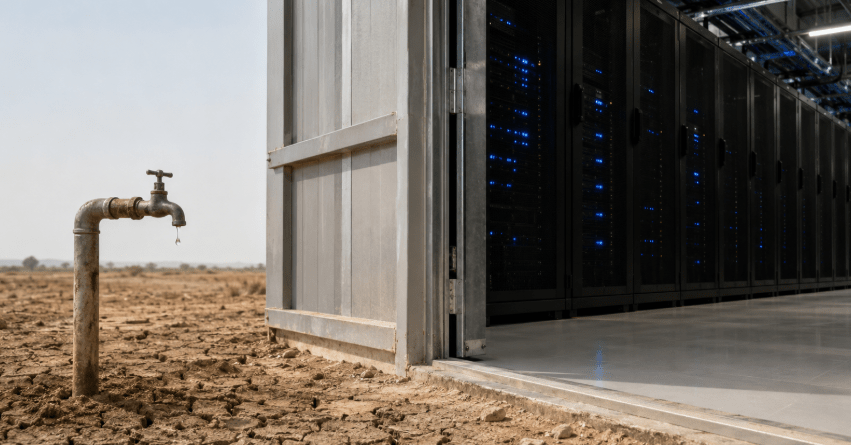
The rapid expansion of artificial intelligence infrastructure is colliding with mounting environmental pressures, as massive data centers operated by technology giants like Microsoft, Amazon, and Google demand unprecedented volumes of water for cooling. According to industry reports and utility data, the soaring resource requirements of these facilities risk intensifying local water scarcity and deepening infrastructure inequalities in host communities across the globe.
As tech companies race to secure computing power for generative artificial intelligence models, the physical footprint of the digital economy has emerged as a central challenge for municipal planners. Data centers require millions of gallons of water daily to prevent servers from overheating, often tapping into municipal water systems during periods of drought and environmental strain. Local authorities and residents increasingly question the sustainability of these arrangements as utility bills rise and supplies dwindle.
Research tracking corporate environmental disclosures shows that water consumption figures at major technology firms have climbed steadily over the past five years. Industry analysts point out that while companies frequently highlight their transition toward renewable energy sources like wind and solar to power their servers, the corresponding water footprint—often referred to as indirect and direct water usage—receives less public scrutiny despite its immediate local impact.
Water Intensity and Municipal Strain
The operational mechanics of modern cloud infrastructure dictate high water consumption. Liquid cooling systems and evaporative cooling towers evaporate significant portions of the water they draw from local grids. According to corporate sustainability reports published by Amazon, data center cooling accounts for a substantial share of the company’s overall operational water withdrawal in arid regions.
Communities hosting large server clusters frequently bear the brunt of this resource drain. In regions facing chronic water shortages, municipal water boards must balance the heavy demands of industrial tech facilities against residential needs and agricultural irrigation. Utility managers note that sudden spikes in industrial demand can strain aging municipal water treatment plants, forcing local governments to invest heavily in infrastructure upgrades that are often subsidized by taxpayers rather than the incoming corporations.
Environmental advocacy groups have documented instances where heavy water extraction lowered local water tables, affecting rural wells and fragile ecosystems. These disparities highlight a growing divide between the localized environmental costs borne by host communities and the globalized economic benefits generated by cloud computing and artificial intelligence services.
Corporate Pledges Versus Local Realities
In response to mounting criticism, technology firms have introduced various mitigation targets, pledging to achieve net-positive water use by the end of the decade. Companies such as Microsoft have committed to replenishing more water than their direct operations consume in specific water-stressed basins through local conservation projects and watershed restoration grants.
However, independent researchers emphasize that corporate replenishment metrics often rely on accounting offsets rather than direct reductions in consumption at the data center level. Critics argue that planting trees or funding distant river restoration projects does little to restore depleted aquifers in a desert community experiencing active drought conditions.
Furthermore, transparency regarding exact water consumption remains uneven. While major providers publish annual sustainability summaries, granular data on daily water usage per facility is rarely made publicly available, complicating independent assessments by local regulators and academic researchers.
Regulatory Scrutiny and Future Outlook
Government regulators are beginning to respond to public concern by tightening environmental review processes for new data center construction. Municipalities in the United States and Europe have started introducing stricter zoning restrictions, mandatory water-recycling requirements, and tiered utility pricing structures that penalize excessive industrial consumption.
The outcome of these regulatory shifts will largely determine how tech companies scale their infrastructure in the coming years. As computational demands continue to grow, balancing the technological requirements of artificial intelligence with environmental sustainability remains one of the defining policy challenges for municipal governments and industry leaders alike.
Stakeholders anticipate further policy debates as local planning boards review pending facility applications throughout the fiscal year. Readers seeking official updates on municipal zoning decisions and utility filings can monitor local government meeting agendas and environmental protection agency records for ongoing developments.
Related reading