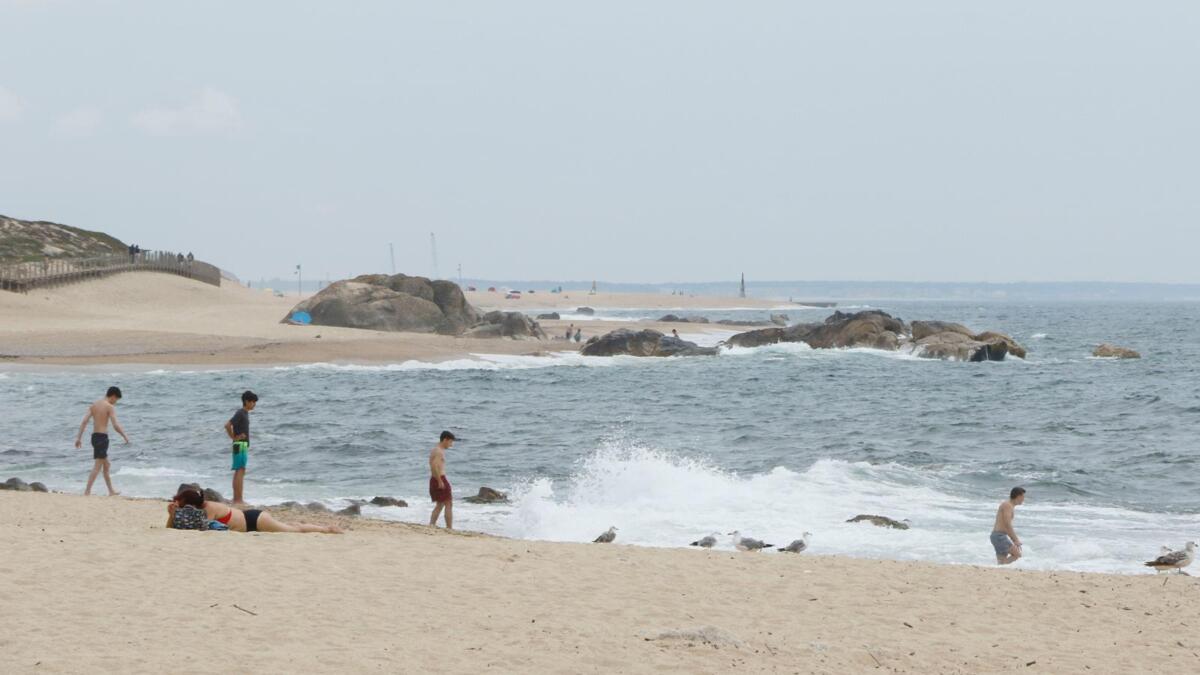
Sanitary monitoring results along Portugal’s coastline have revealed elevated fungal concentrations on the sand of three distinct beaches in Vila Nova de Gaia, placing them close to regulatory rejection limits. According to reports from Jornal de Notícias, environmental assessments identified concerning levels of fungal presence that require heightened vigilance from municipal authorities and public health officials during the bathing season.
The findings focus on specific coastal zones within the municipality of Vila Nova de Gaia, located in the Porto District of Northern Portugal. Environmental monitoring teams regularly sample both coastal waters and sandy areas to safeguard public health, tracking parameters that include microbiological indicators and potential pathogen reservoirs. While coastal water quality across much of the region typically maintains high standards, sand contamination presents unique assessment challenges due to organic accumulation, weather patterns, and user activity.
Local environmental management departments and municipal authorities have been reviewing the analytical data to determine necessary mitigation steps. Although the affected zones remain open to the public, technical teams are evaluating whether additional raking, sand treatment, or public advisory notices are warranted to address the elevated microbial counts reported by Jornal de Notícias.
Understanding Sand Quality Standards and Fungal Monitoring
Monitoring sand quality involves complex testing protocols that measure various biological indicators, including dermatophytes and other filamentous fungi that thrive in warm, humid environments. Unlike water testing, which relies on standardized parameters like Escherichia coli and intestinal enterococci, sand testing evaluates a broader spectrum of organic variables that can affect sensitive bathers.
According to environmental health specialists, fungal spores in beach sand often originate from natural organic matter, seaweed deposits, and bird droppings, though human activity also contributes to localized concentration spikes. When samples approach rejection thresholds, it signals an imbalance in the local ecosystem or an accumulation of organic debris that fails to meet optimal sanitary cleanliness benchmarks.
Municipal Response and Public Health Measures
Vila Nova de Gaia city officials and environmental agencies maintain continuous oversight of coastal zones to ensure compliance with national safety codes. Municipal work crews routinely clean public beaches, removing debris and managing waste collection to minimize organic accumulation on the shoreline. In response to the recent findings, sanitation departments have stepped up inspection frequencies across the identified sectors.
Public health experts advise beachgoers to take standard precautions, such as using beach mats, showering after bathing, and avoiding direct contact with decomposing organic matter on the shore. Local authorities continue to publish water and sand quality updates through official municipal channels, allowing residents and visitors to check real-time conditions before heading to the coast.
Next Steps and Official Oversight
Environmental monitoring agencies will conduct follow-up sampling across the Vila Nova de Gaia coastline to track changes in fungal concentrations as weather conditions evolve. Municipal authorities are expected to release updated laboratory results upon completion of the next scheduled testing cycle. Residents seeking detailed safety data and official bathing advisories can consult the Agência Portuguesa do Ambiente for ongoing coastal monitoring reports.
Readers are encouraged to share their thoughts or report local observations in the comments section below.
Worth a look