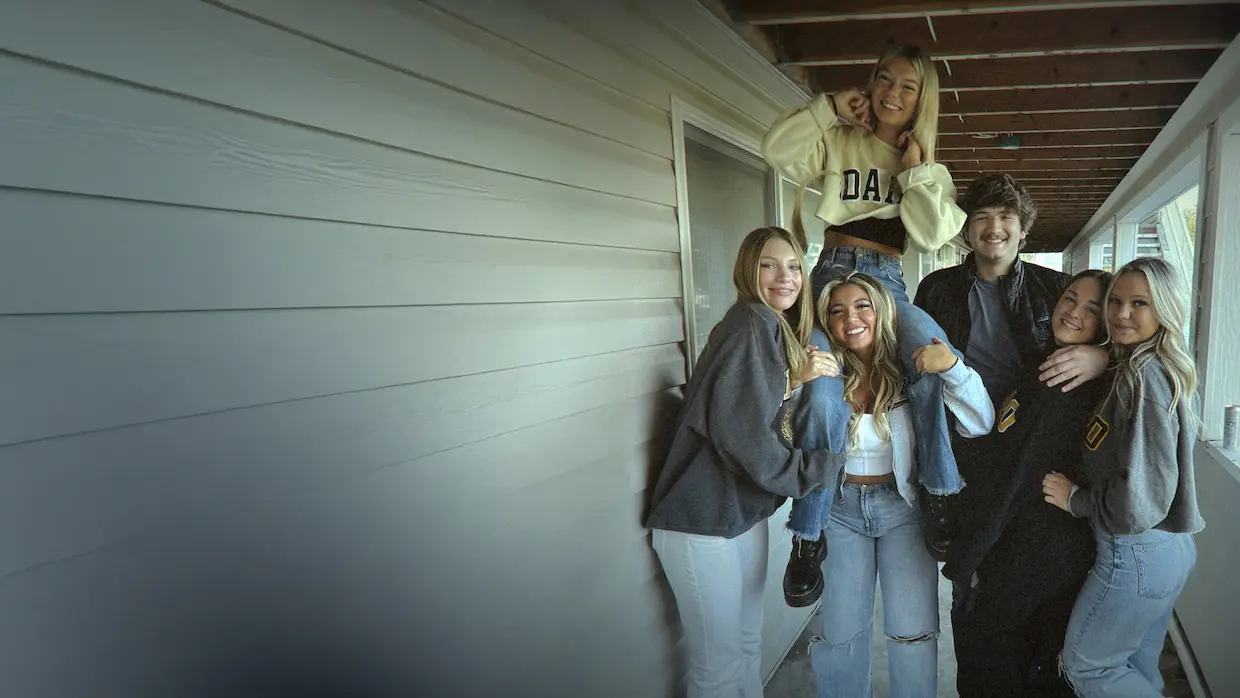
The November 2022 killings of four University of Idaho students shocked a quiet college town and triggered one of the largest manhunts in modern Pacific Northwest history. Released by Netflix, the true-crime documentary series The Idaho Murders: College Nightmare revisits the devastating stabbings of Kaylee Goncalves, Madison Mogen, Xana Kernodle, and Ethan Chapin, while examining why lingering questions still surround the case despite a guilty plea and life sentence.
According to court records and reports from the Associated Press, the murders occurred inside an off-campus rental house in Moscow, Idaho, in the early morning hours of November 13, 2022. The victims, all undergraduate students at the University of Idaho, were asleep when attacked. The brutality of the crime scene and the initial lack of suspect information plunged the campus and local community into fear, sparking intense national media scrutiny that lasted for weeks.
As true-crime enthusiasts and legal analysts turn to streaming platforms for a detailed breakdown of the investigation, the documentary brings renewed attention to the timeline, the forensic evidence, and the gaps that remain in the public understanding of the events. While the legal process reached a definitive milestone when the suspect was convicted, the show highlights how certain aspects of the police response and the killer’s specific motives continue to fuel public debate.
The Investigation and the Arrest of Bryan Kohberger
For nearly seven weeks following the homicides, Moscow Police Department investigators, alongside the Federal Bureau of Investigation and the Idaho State Police, worked through thousands of tips without naming a public suspect. The breakthrough came through genetic genealogy tracking and surveillance footage of a white Hyundai Elantra seen near the King Road residence around the time of the attacks, as detailed in court affidavits filed by law enforcement.
On December 30, 2022, law enforcement arrested Bryan Kohberger at his parents’ home in Monroe County, Pennsylvania. Kohberger was a doctoral student in criminology at nearby Washington State University, located just a short drive across the state border from Moscow. Extradited back to Idaho, Kohberger was formally charged with four counts of first-degree murder and one count of burglary.
In November 2024, Kohberger avoided the death penalty by entering a surprise guilty plea to all charges, according to court documents filed in Latah County District Court. The judge sentenced him to four consecutive life sentences without the possibility of parole. Despite the resolution of the criminal trial, the plea deal meant that a full trial never took place, leaving several evidentiary questions unexplored in a courtroom setting.
What the Netflix Documentary Explores
The Idaho Murders: College Nightmare examines the friction between rapid-fire internet sleuthing and methodical police work during the early stages of the investigation. True-crime documentaries often face scrutiny regarding how they handle active or recently resolved mass-casualty events, and this series is no exception. It highlights the intense digital pressure placed on law enforcement by TikTok users, amateur sleuths, and online forums that frequently pointed fingers at innocent individuals before authorities closed in on Kohberger.
Furthermore, the production evaluates the vulnerability of student housing near major universities and the profound grief experienced by the families of the victims. Through interviews with legal commentators, local journalists, and community members, the documentary frames the tragedy not just as a procedural mystery, but as a human catastrophe that fundamentally altered the character of a tight-knit university town.
Remaining Questions and Public Impact
Even with a conviction and multiple life sentences secured, the complete picture of what happened inside the King Road residence remains obscured in certain details. Because Kohberger pleaded guilty rather than proceeding to a trial where prosecutors would have laid out a comprehensive narrative supported by witness testimony and exhaustive cross-examinations, some details regarding his precise movements and exact motive remain opaque.
Legal observers note that while guilty pleas provide immediate finality and spare families the trauma of a prolonged trial, they often leave a vacuum where comprehensive public accountability might otherwise reside. The University of Idaho later demolished the off-campus house where the killings took place, removing a physical site that had become a grim focal point for global media attention, and established a memorial garden on campus to honor the lives of Goncalves, Mogen, Kernodle, and Chapin.
Official updates regarding ongoing victim advocacy and university safety measures can be found through the University of Idaho official portal. Readers and community members seeking verified court filings and scheduling data can consult the Latah County, Idaho official records office.