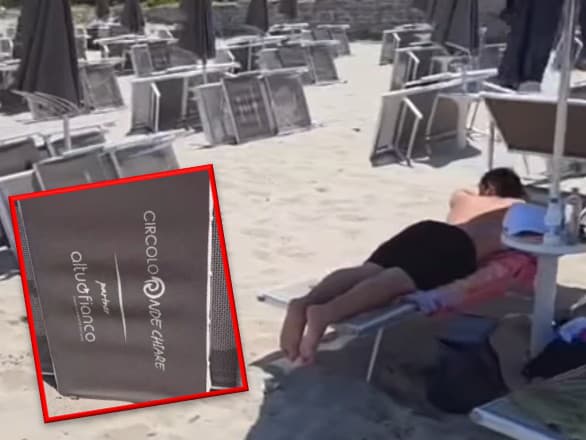
The mysterious disappearance of beach loungers and sunbeds from Italian coastal resorts has sparked widespread discussion across Europe, as investigators and local authorities track down missing tourism assets that have unexpectedly reappeared hundreds of kilometers away on foreign shores. According to regional reports from law enforcement and coastal management agencies, thousands of commercial beach amenities—ranging from heavy wooden loungers to specialized folding chairs—vanished overnight from popular Italian swimming spots before being traced across international borders to neighboring holiday destinations.
The phenomenon highlights ongoing vulnerabilities in seasonal resort security and cross-border transport logistics. Local trade associations and municipal police departments in regions such as Emilia-Romagna and Tuscany have launched formal inquiries into how large-scale inventory could be removed without triggering immediate alarms or border checkpoints. Industry analysts point out that commercial beach furniture represents a significant capital investment for small and medium-sized tourism operators, making these inventory losses a severe financial blow ahead of peak booking periods.
Security officials note that organized theft rings have increasingly targeted high-end coastal infrastructure, exploiting the quiet winter months when many Mediterranean beaches remain unmonitored. According to statements released by local carabinieri detachments, transport manifests and highway toll cameras have become central to mapping out how heavy cargo vehicles managed to haul commercial equipment across national transit corridors undetected. Investigators are currently coordinating with foreign customs authorities to verify ownership papers and arrange the repatriation of the recovered property.
Logistics of Cross-Border Beach Equipment Theft
Transporting thousands of bulky beach loungers requires careful planning, heavy-duty transport vehicles, and forged documentation, according to transport security experts. Police reports indicate that perpetrators frequently operate under the cover of night, using rented flatbed trucks to bypass regional monitoring systems. The stolen inventory is typically loaded onto unbranded trailers, allowing operators to blend seamlessly into commercial freight traffic moving along major European highway networks.
Municipal authorities in the affected Italian provinces have stepped up cooperation with border control agencies to track commercial vehicle movements. Investigators emphasize that the resale market for commercial-grade beach gear is highly specialized, meaning stolen assets are rarely sold to the general public. Instead, investigators suspect the equipment is funneled directly into competing tourist facilities operating abroad, where unscrupulous operators seek to bypass the high costs of purchasing certified, weather-resistant coastal furniture.
Insurance representatives stress that standard commercial policies rarely cover coordinated, large-scale inventory theft of outdoor resort assets unless specific security clauses are met. This has left many family-run lido owners facing steep out-of-pocket replacement costs just as seasonal tourism begins to rebound. Local chambers of commerce have urged regional governments to establish standardized digital registries for coastal inventory, making it easier to verify the legal origin of beach furniture across international borders.
Impact on Mediterranean Tourism Operators
The sudden loss of essential beach infrastructure has forced many Italian resort owners to scramble for replacement inventory amid global supply chain delays. Manufacturing lead times for commercial-grade aluminum and teak loungers often stretch for months, complicating efforts to fully equip private beaches before incoming travelers arrive. Industry groups warn that unequipped beachfronts could suffer a direct drop in daily rental revenues, threatening the economic stability of coastal communities that rely heavily on summer tourism.
At the destination end where the equipment was recovered, local business owners have expressed surprise at the sudden police scrutiny. Foreign municipal officials stated that they are cooperating fully with international warrants and requests for evidence preservation. Legal experts explain that returning the seized assets will require formal extradition-style property hearings, a process that can take several weeks depending on bilateral judicial agreements between the countries involved.
As the investigation proceeds, regional tourism boards are urging all coastal operators to upgrade their on-site security measures, including installing high-definition surveillance cameras and GPS tracking tags in high-value inventory. Authorities expect further updates on the repatriation process as soon as judicial reviews are finalized in the host jurisdictions.
Keep reading
- Auto elettriche e ibride plug-in, la crescita in Europa continua – Virgilio
- Norwegian Grocery Prices: How to Get 30% Cheaper Groceries
- Dziadkou and Piatrushka Win Belarus’s First Beach Pro Tour Gold in Qidong (archyworldys.com)
- Why European Travelers Are Missing From Asia Pacific Tourist Hotspots (world-today-news.com)