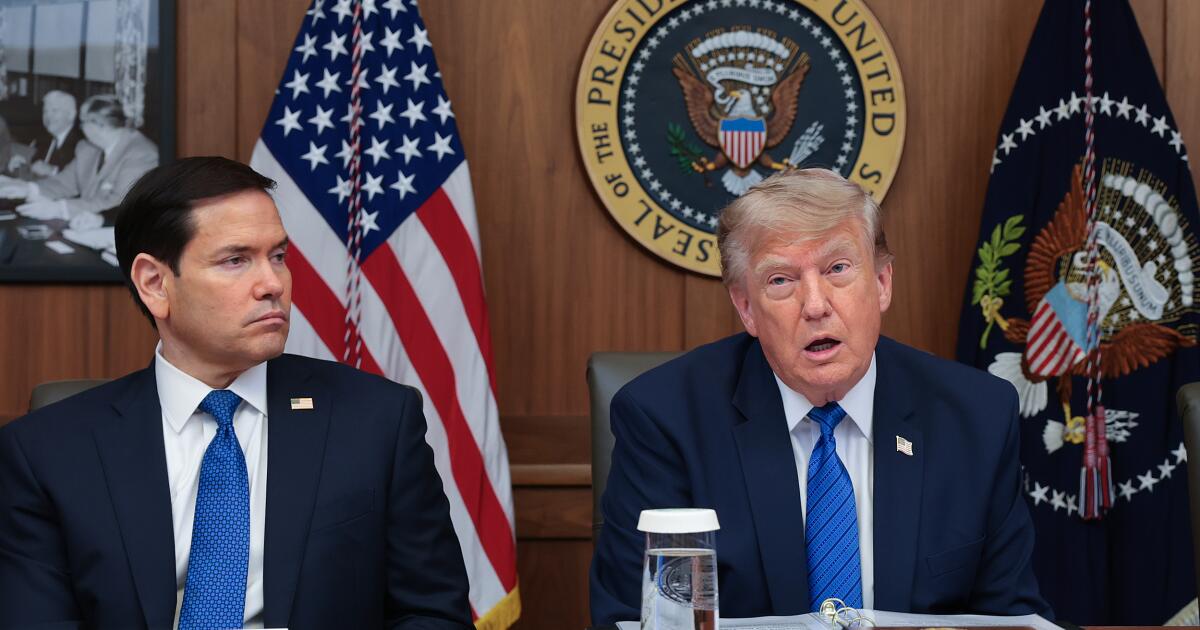
The Trump administration’s foreign policy approach in the Middle East has faced fresh scrutiny following statements regarding a potential Hamas disarmament deal, even as regional actors and international observers point to significant unresolved conditions. According to reports regarding the ongoing diplomatic efforts in 2025, discussions surrounding the demilitarization of Gaza remain tied to strict prerequisites set by militant leadership, complicating the path toward lasting stability. While Washington officials have touted diplomatic breakthroughs, independent verifications show that core disagreements over ceasefire terms and security guarantees continue to stall substantive progress.
The diplomatic push follows a complex series of negotiations aimed at cementing a durable framework for the Gaza Strip. The diplomatic landscape shifted after a ceasefire deal signed in 2025 laid out a phased roadmap for de-escalation, prisoner exchanges, and eventual governance transitions. However, the precise sequencing of these phases has created deep friction between the parties involved, with international mediators struggling to bridge the gap between U.S. optimism and on-the-ground realities.
For global markets and international policy analysts, understanding the mechanics of these negotiations requires looking closely at what has actually been agreed upon versus what remains aspirational. As economic stakeholders assess geopolitical risk in the Middle East, the durability of any prospective disarmament framework depends entirely on compliance from multiple armed factions and the willingness of regional governments to enforce compliance benchmarks.
The Conditions Surrounding Proposed Disarmament
Hamas confirmed it would begin disarmament, but said it was contingent on Israel halting all attacks in Gaza and fulfilling provisions of the first phase of a ceasefire deal signed in 2025. This conditional stance highlights the fragile nature of the current diplomatic architecture. Rather than an unconditional surrender of arms, militant representatives have framed any discussion of weapons handover as the final step in a multi-stage political settlement rather than a starting point.
International monitors and diplomatic envoys have repeatedly emphasized that bridging these divergent positions requires robust third-party guarantees. The United States has attempted to position itself as the primary guarantor of the diplomatic process, yet regional partners such as Egypt and Qatar continue to play indispensable roles in shuttle diplomacy. These intermediaries have stressed that premature demands for disarmament without a synchronized withdrawal and humanitarian relief effort are unlikely to succeed.
Furthermore, the humanitarian crisis inside the enclave serves as an acute pressure point for all negotiating factions. Aid agencies operating in the region report that civilian infrastructure remains severely compromised, complicating any meaningful transition toward civil administration or internal security reform. Without synchronized progress on reconstruction and basic service delivery, security arrangements agreed to in foreign capitals risk collapsing under local pressures.
Evaluating Regional and International Reactions
The international community’s response to the touted disarmament framework has been marked by cautious skepticism. While Western capitals have welcomed any signal pointing toward demilitarization, European and Middle Eastern diplomats have urged caution against overstating the current level of agreement. According to statements from regional foreign ministries, verifying compliance on both sides remains a monumental logistical challenge that requires independent international oversight.
Economic analysts watching the region note that investor confidence across the wider Middle East remains highly sensitive to security developments. Markets have experienced periodic fluctuations whenever conflicting reports emerge regarding the implementation phases of the 2025 agreement. Businesses operating in neighboring trade hubs are closely monitoring border security protocols and shipping lanes for any sign of renewed escalation.
The divergence in how various stakeholders characterize the negotiations underscores the difficulty of establishing a unified narrative. While administration officials in Washington emphasize potential breakthroughs, local observers point out that the foundational security dilemmas—including border control, militant rearmament, and the ultimate political status of Gaza—remain unresolved.
Next Steps in the Diplomatic Process
The next major checkpoint for the peace process will depend on whether international mediators can convene a working group to review the implementation status of the first-phase ceasefire provisions. Observers are looking toward upcoming diplomatic summits in the region to determine if technical committees can establish verifiable benchmarks for security and humanitarian access.
Stakeholders seeking official updates on the diplomatic framework can monitor statements released through the United Nations Security Council or diplomatic briefings provided by regional mediation teams. As negotiations continue, market participants and policy researchers will track upcoming diplomatic communiqués for any verifiable modifications to the current ceasefire terms.
We invite our readers to share their perspectives on these developments in the comments section below, and to share this report with colleagues interested in global economic and geopolitical trends.
Related reading